The short version
Gopher treatment typically involves trapping by a professional, who locates active tunnels, sets traps, and monitors them until the gopher is caught. Baiting and fumigation are less common due to safety and efficacy concerns. Treatment costs range from $150 to $700 depending on property size and infestation severity.
- Pocket gophers are solitary and territorial; each tunnel system usually has one gopher.
- Professional trapping is the most effective and environmentally responsible method.
- Treatment costs typically range from $150 to $700, with no-charge inspection available.
- Spring and fall are peak seasons for gopher activity and treatment.
- Prevention involves deep-rooted plants, wire mesh barriers, and regular monitoring.
Whether you're considering DIY or professional help, you'll find factual, evidence-based information here. If you value effective, long-term solutions and want to avoid harmful poisons, this is for you. This guide is written for homeowners, property managers, and gardeners across the United States who are dealing with gopher damage and want a clear, honest explanation of treatment options.
What to look for
Pocket gophers (Geomyidae family) are solitary, territorial rodents that spend nearly their entire lives underground. They dig extensive tunnel systems covering hundreds of square feet, with multiple feeding tunnels radiating from a central nest. A single gopher can produce several mounds per day, especially during spring and fall when soil moisture makes digging easier. Their diet consists of roots, tubers, and bulbs, which means your lawn, garden, and ornamental plants are at risk. Beyond cosmetic damage, gophers can sever underground irrigation lines, disrupt drainage, and create voids that pose tripping hazards. In pastures or agricultural areas, they can reduce crop yields and damage equipment. The problem is often underestimated because gophers are elusive and much of the damage occurs unseen.
- 1Crescent- or horseshoe-shaped mounds of loose soil, typically 6–12 inches wide, with a plugged hole off-center.
- 2Fresh mounds appearing overnight or after rain—often several in a day.
- 3Sinking or softening of soil in lawns, indicating collapsed tunnels.
- 4Wilting or dead plants, especially deep-rooted perennials, whose roots have been eaten.
- 5Exposed underground irrigation pipes or drip lines chewed by gophers.
- 6Visible tunnel ridges (raised soil) running across the lawn, especially in spring.
- 7Small, hard fecal pellets (about 1/4 inch) found near mounds or tunnel openings.
Why it’s worth acting soon
- Tunnel systems expand rapidly, covering more area and increasing damage to roots and irrigation.
- Collapsed tunnels can create uneven ground, damaging mowers and creating tripping hazards.
- Secondary pests like voles or snakes may use abandoned gopher tunnels.
- Erosion and water runoff can worsen in areas with extensive tunneling.
- Cost of repair and treatment increases as the infestation grows.
Treatment options and typical costs
Professional Trapping
$150–$500
A technician inspects the property, locates active tunnels, and sets specialized traps (e.g., Macabee, Victor Easy Set, or cinch traps) inside the main runway. Traps are checked every 24–48 hours until the gopher is caught. This method is selective, non-toxic, and highly effective when done correctly.
- Time
- 1–2 weeks (multiple visits may be needed)
- Best for
- Most residential properties; safe for pets and wildlife when traps are placed correctly.
Baiting with Rodenticides
$200–$600
Toxic baits (typically toxic baits like chlorophacinone or diphacinone) are placed inside tunnels using a bait probe. Baiting can be effective but poses risks to non-target animals and requires careful placement. Some states restrict use or require licensing.
- Time
- 1–3 weeks (repeated applications)
- Best for
- Remote or large acreage where trapping is impractical, but only if non-target risks can be managed.
Fumigation (Gas Cartridges)
$250–$700
Gas cartridges or aluminum phosphide are ignited and placed in tunnels to produce toxic smoke. This method is dangerous, requires specialized training, and is illegal in some states. It can kill non-target animals and is less reliable because gophers may seal off sections.
- Time
- Single application, may need repeat
- Best for
- Limited situations where trapping and baiting have failed, and only by pest control pros.
Exclusion (Underground Barriers)
$100–$800 (materials and labor)
Installing wire mesh (hardware cloth) or underground fencing around gardens, raised beds, or tree roots. This is a preventive measure, not a treatment for active infestations, but can protect specific areas long-term.
- Time
- 1–2 days installation
- Best for
- Protecting high-value garden beds, fruit trees, or new plantings from future gopher activity.
Prices are typical published ranges. Ask what’s included before you compare quotes.
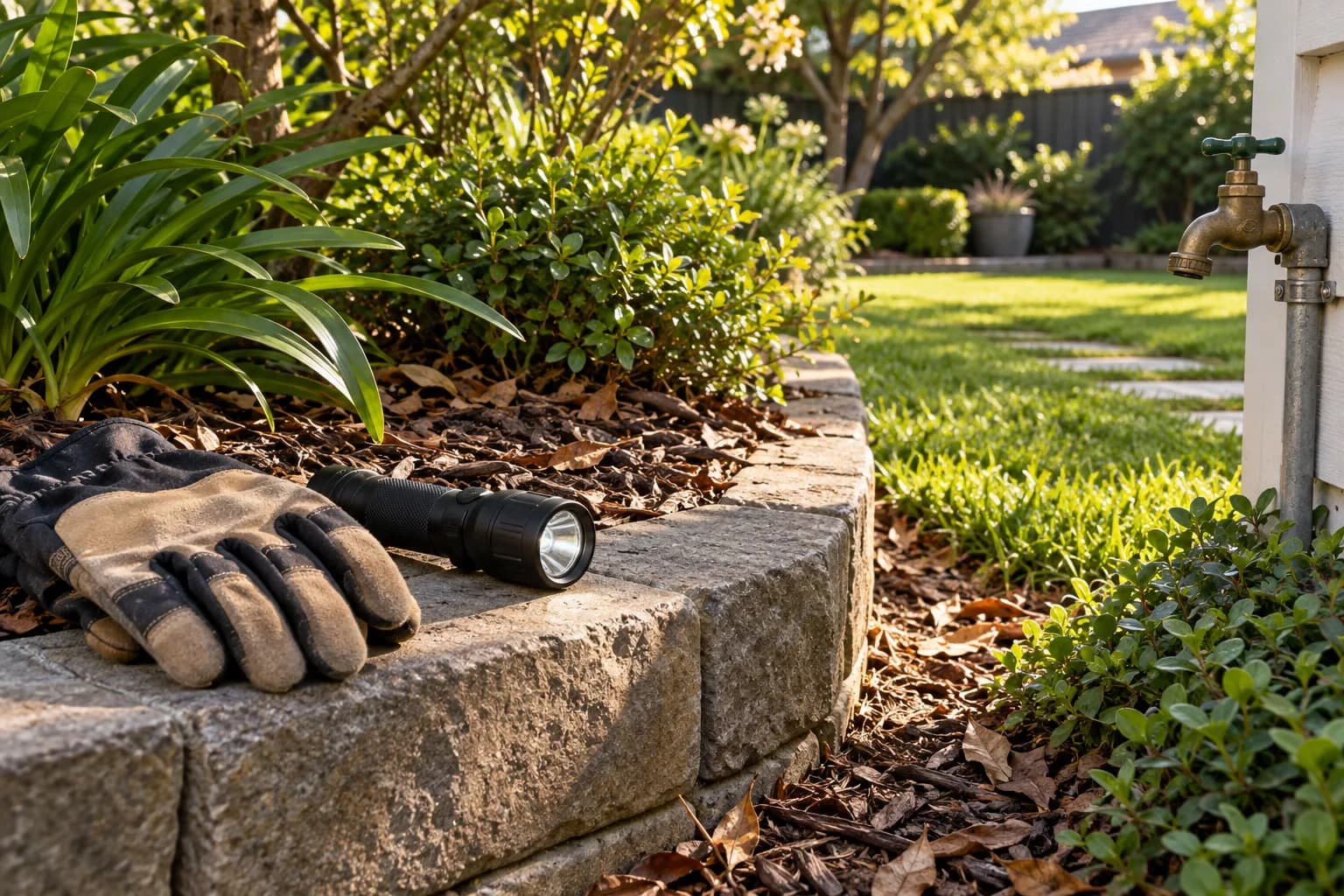 Hardware cloth under raised beds keeps gophers away from the plants you care about.
Understanding Gopher Behavior and Tunnel Systems.
Pocket gophers are solitary, territorial rodents that spend almost their entire lives underground. Each adult occupies its own tunnel system, which can cover 200 to 2,000 square feet depending on food availability. The system consists of a central nest chamber (lined with dry vegetation), food storage chambers, and multiple feeding tunnels radiating outward. Feeding tunnels are typically 6–12 inches deep, while the nest may be 2–4 feet deep. Gophers create mounds when they push excavated soil to the surface through lateral tunnels. Unlike moles, which create volcano-shaped mounds, gopher mounds are crescent- or horseshoe-shaped with a plugged hole off-center. Understanding this behavior is crucial for effective control: traps must be placed in active, main tunnels (not side tunnels) to catch the resident gopher. Because gophers are solitary, treating one tunnel system eliminates one animal. Multiple mounds may indicate multiple gophers, but each must be treated individually.
Why Trapping Is the Gold Standard for Gopher Control.
Trapping remains the most effective and environmentally responsible method for gopher control. Unlike poisons, traps do not contaminate the soil or pose a risk to non-target animals such as pets, birds, or beneficial insects. Professional trappers use specialized traps like the Macabee, Victor Easy Set, or cinch trap, which are placed directly inside the main tunnel. The key to success is locating the active tunnel — not a plugged side tunnel. Pros do this by probing the ground with a metal rod to find soft spots where gophers have recently pushed soil. Once found, they open the tunnel, set the trap inside, and cover the opening to exclude light. Traps are checked every 24–48 hours. Dead gophers are removed, and the tunnel is collapsed to prevent re-use. Most professionals offer a warranty, meaning if a new gopher moves in within a certain period (e.g., 30 days), re-treatment may be available under the provider’s written terms. This assurance is valuable because gophers can reinvade from adjacent properties.
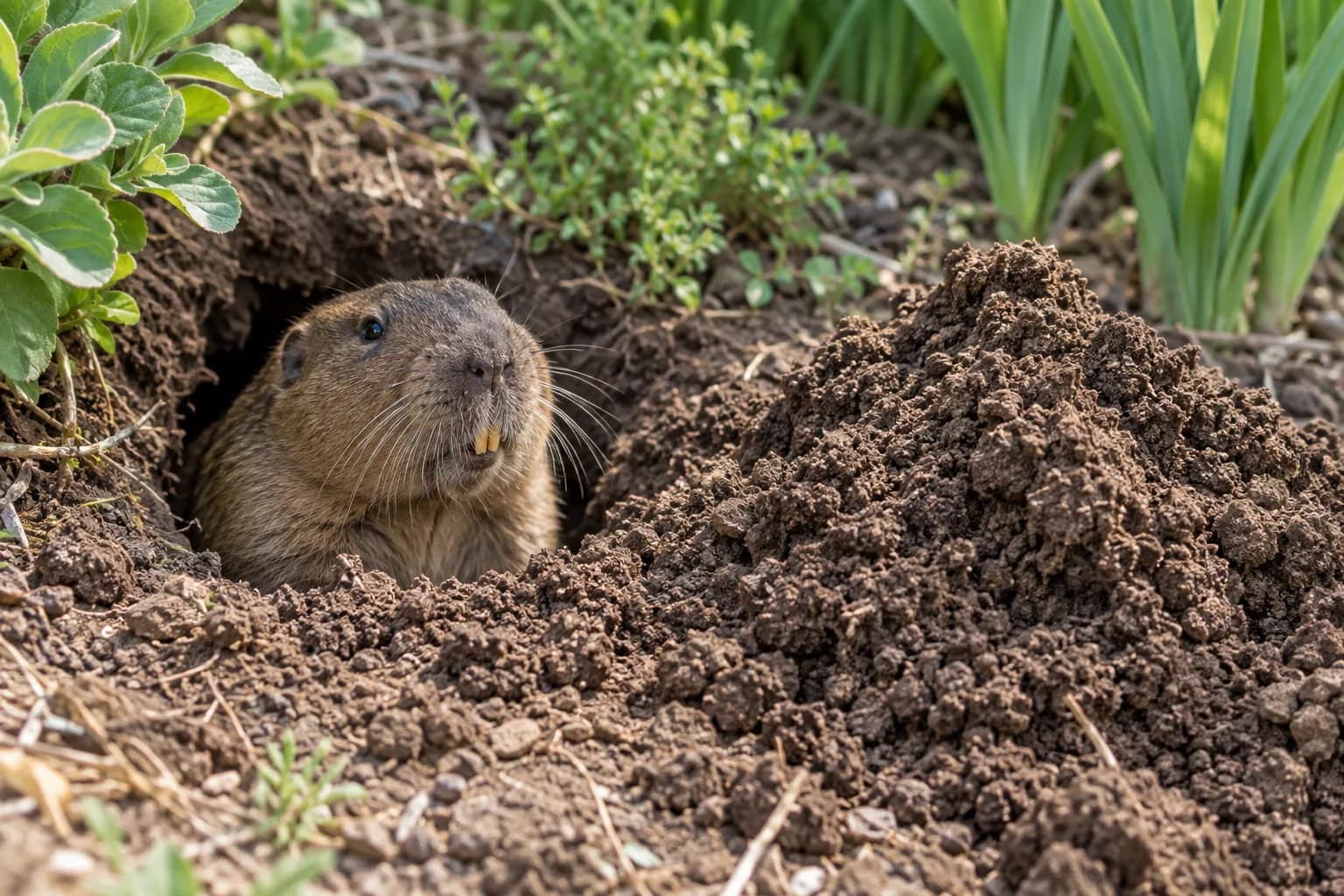 Pocket gophers are stocky, with cheek pouches and long front claws. Each one lives alone.
The Role of Fumigation and Baiting: When Are They Appropriate?
Fumigation and baiting are secondary options that are sometimes used but come with significant caveats. Fumigation using gas cartridges or aluminum phosphide is dangerous and requires a licensed applicator. The gas can kill non-target animals (including pets) if they are in the tunnel system, and it can seep into human-occupied spaces if tunnels are near buildings. Moreover, gophers often detect the gas and seal off portions of the tunnel, making fumigation unreliable. Many states restrict or ban aluminum phosphide for residential use. Baiting with toxic bait rodenticides is more common but carries risks of primary and secondary poisoning. Birds of prey, foxes, and domestic dogs can be poisoned by eating a poisoned gopher. Some baits are restricted to licensed applicators, and all require careful placement deep inside tunnels. For most homeowners, trapping is the preferred method due to its selectivity and safety. However, on very large properties (e.g., farms, pastures) where trapping every animal is impractical, baiting may be used as part of an integrated pest management plan, often with the help of a professional.
The research on gophers in U.S. homes.
In Gopher Treatment, state wildlife agencies put a single pocket gopher at roughly a ton of soil moved per year, and mounds are the first thing most people notice. In Gopher Treatment, tunnel systems typically run 6 to 12 inches below the surface, with deeper nesting and food-storage chambers. In Gopher Treatment, because each gopher is solitary, a yard with several fresh mounds usually means several animals, each with its own network. In Gopher Treatment, count the active mounds during your walk-through — that number, not a national average, is what should drive a treatment plan.
What affects the price
- Property size: Larger lots require more time and traps.
- Infestation severity: More gophers mean more labor and visits.
- Accessibility: Sloped, overgrown, or fenced areas increase difficulty.
- Treatment method: Trapping is labor-intensive; baiting may require multiple trips.
- Geographic region: Costs vary by local labor rates and demand.
- workmanship warranty: Some companies offer a warranty period; this can affect price.
- Additional services: Repair of irrigation lines or reseeding may be quoted separately.
📊
What's your biggest concern when dealing with gophers?
When to call for help
If you see multiple fresh mounds daily, or if damage is affecting valuable plants, irrigation, or structures, it's time to call a professional. Gophers are solitary and territorial, but a single animal can cause extensive damage quickly. A professional can accurately locate active tunnels, set traps correctly, and often provide a warranty. Additionally, if you've tried DIY methods without success, or if you're unsure about the species (gophers vs. moles or voles), a pro's expertise is invaluable.
What you can do yourself
Flooding is usually ineffective because gophers seal off sections of their tunnel system. Professional treatment, on the other hand, offers efficiency, safety, and a workmanship warranty. For a moderate infestation, a pro can resolve the problem in 1–2 weeks, whereas DIY might take months or never succeed. The cost of professional treatment often offsets the value of damaged property and the frustration of repeated failed attempts. DIY gopher control often involves store-bought traps, poison baits, or flooding tunnels. While traps can work if placed correctly, many homeowners struggle to identify the main tunnel or set traps properly, leading to wasted time and frustration. Poison baits pose risks to pets, children, and beneficial wildlife, and may cause secondary poisoning if a poisoned gopher is eaten by a predator.
Where you live matters
Always check local regulations before applying any control method. For example, the University of California IPM program recommends trapping as the primary method, while the Texas A&M AgriLife Extension advises a combination of trapping and baiting for large ranches. Local extension offices and state wildlife agencies often provide specific guidance. Regional regulations also matter: some states (e.g., California) require a license for using certain rodenticides, while trapping is generally unrestricted. In northern regions, gophers become less active in winter but do not truly hibernate. In the South, activity may continue year-round with a dip in summer heat. Spring and fall are peak activity times nationwide because soil is moist and easier to dig. Despite these differences, their behavior and treatment methods are similar. In the Southeast, the southeastern pocket gopher (Geomys pinetis) is common. The most widespread is the plains pocket gopher (Geomys bursarius) in the Midwest and Great Plains, while the Botta's pocket gopher (Thomomys bottae) dominates the West and Southwest. Gopher species vary across the United States.
Gopher tips from the experts
Fresh mounds tell the story
Around your home, fresh, dark soil means a gopher is active now. Look at the mound shape, the plugged hole and any wilting plants before deciding what you have.
Gopher, mole or ground squirrel?
Gopher mounds are crescent or horseshoe shaped, with a plugged hole off to one side. Mole mounds are rounder, often with raised ridges nearby. Ground squirrel holes stay open, with no mound.
UC IPM: pocket gophersWhat they damage
Gophers chew roots, irrigation lines and sometimes buried cables. Fresh, moist soil means they’re active now. Keep watching after treatment, since a quiet yard doesn’t always mean they’re gone.
Utah State University Extension: pocket gophersBased on guidance from university extension services.
How we check our sourcesSimple ways to keep gophers away
- Plant gopher-resistant plants like daffodils, marigolds, or rosemary around garden borders.
- Install underground wire mesh (1/2-inch or smaller hardware cloth) around garden beds and tree roots, buried at least 18 inches deep with an L-shaped bend outward.
- Maintain a tidy yard: remove debris, keep grass short, and reduce mulch piles that attract gophers.
- Use castor oil-based repellents (e.g., granules or sprays) as a deterrent, though effectiveness varies.
- Install underground irrigation lines inside PVC pipe or conduit to prevent chewing.
- Monitor regularly for new mounds, especially in spring and fall, and take action at the first sign.
- Encourage natural predators like owls, hawks, and snakes by installing owl boxes or preserving habitat.
 Mark fresh mounds on a sketch. New ones show where the gopher is working now.
Did you know?
Pocket gophers have fur-lined external cheek pouches that they use to carry food — they can hold up to a tablespoon of roots or bulbs in each pouch.
Gophers have a unique adaptation: their lips close behind their incisors, allowing them to dig through soil with their teeth without getting dirt in their mouth.
A single gopher can move over a ton of soil to the surface in a year, which is why their mounds can quickly cover large areas of lawn.
Questions people ask
How do I know if I have gophers or moles?
Gopher mounds are crescent- or horseshoe-shaped with a plugged hole off-center, while mole mounds are volcano-shaped with a plug in the center. Gophers eat plant roots, causing plant damage; moles eat insects and create raised surface tunnels (ridges) in lawns.
How long does professional gopher treatment take?
Typically 1–2 weeks, with multiple visits. The technician sets traps and checks them every 24–48 hours until the gopher is caught. In heavy infestations, it may take longer.
Is gopher bait safe for pets?
No. Bait can poison pets if ingested. Even if placed underground, pets can dig up bait. Professional trapping is safer for homes with pets.
Will gophers come back after treatment?
It's possible if nearby properties have gophers. Many professionals offer a warranty (e.g., 30 days) and can return for re-treatment. Prevention measures like barriers can reduce reinvasion.
Can I flood gopher tunnels to get rid of them?
Flooding is rarely effective because gophers can seal off sections of their tunnel system. It may also damage your lawn or cause erosion. Trapping is more reliable.
How much does professional gopher control cost?
Typically $150–$700 depending on property size, infestation severity, and method. Most companies offer no-charge inspection and a workmanship warranty. Ask about a no-charge inspection.
Are there any natural predators that can control gophers?
Yes, owls, hawks, snakes, and foxes prey on gophers. Installing owl boxes can encourage barn owls, which hunt at night. However, predators alone rarely eliminate an infestation.
When is the best time to treat for gophers?
Spring and fall are peak activity seasons, making it easier to locate active tunnels. Treatment can be done any time the ground is not frozen, but success rates are highest during active periods.
How much does it cost to trap gophers?
In Gopher Treatment, professional gopher trapping typically runs $150 to $700 depending on the size of the lot, while DIY traps run $20 to $50 each. In Gopher Treatment, ask for a written quote that spells out the number of visits and what the follow-up covers, rather than relying on a national average.
Sources (5)
The facts in this article come from the public sources listed above. Every home is different, so ask the company you talk to about pricing and what’s included. Published by Gopher Exterminator · Updated September 11, 2026 · How we write these guides