The short version
The most effective gopher control combines trapping (either DIY or professional) with habitat modification. For heavy infestations, professional trapping programs ($150–$700) offer the best results due to expertise and warranties.
- Gophers are solitary, territorial, and create extensive tunnel systems; each active system usually houses one gopher.
- Peak activity occurs in spring and fall when soil moisture aids digging; signs include fan-shaped mounds and plant damage.
- DIY methods include trapping (Victor Easy Set or Macabee traps), exclusion (underground fencing), and repellents (limited success).
- Professional services provide no-charge inspection, multi-trap programs, and warranties; costs range $150–$700 depending on lot size.
- Prevention focuses on reducing food sources, using gravel barriers, and installing underground fencing with a 3-foot depth.
Whether you’re considering DIY control or hiring a professional, you’ll find honest comparisons, cost breakdowns, and proven strategies. We focus on pocket gophers (the most common species across the U.S.), not moles or ground squirrels, so the advice is targeted and effective. This guide is for homeowners and property managers in the United States who are dealing with gopher activity and want a clear, actionable plan.
What to look for
Their constant gnawing on roots can kill trees, shrubs, and garden plants, and their tunnels can divert irrigation water, causing dry patches or erosion. A single gopher can move several cubic feet of soil to the surface each month, creating those distinctive fan-shaped mounds that ruin lawns and create tripping hazards. They live alone in complex burrow systems that include feeding tunnels, nesting chambers, and food caches. Pocket gophers are among the most destructive rodents in North America.
- 1Fan-shaped mounds of loose soil (typically 6–12 inches wide) with a plugged hole off-center.
- 2Plants suddenly wilting or dying due to root damage.
- 3Irrigation lines or sprinkler heads damaged by gnawing.
- 4Burrows visible after heavy rain or snowmelt as soft spots in the lawn.
- 5Gopher sightings above ground (rare; usually at dawn/dusk when moving between tunnels).
- 6Small, geyser-like soil plugs near the base of trees or fences.
- 7Underground utility lines (electric, cable) gnawed (gophers sometimes chew through wiring).
Why it’s worth acting soon
- Root damage to trees and shrubs can become fatal over time, requiring expensive removal.
- Tunnel networks expand rapidly, increasing the area of lawn damage and repair costs.
- Irrigation system damage worsens, leading to water waste and higher bills.
- Structural damage to patios, walkways, or foundations from soil displacement.
- Gophers attract predators like coyotes or snakes, which can pose additional risks.
Treatment options and typical costs
Professional Trapping Program
$150–$700
A licensed technician places multiple traps (e.g., Macabee, Victor Easy Set) in active tunnels, checks them regularly, and removes gophers. Includes no-charge inspection and warranty.
- Time
- 2–4 weeks for full elimination; ongoing maintenance available
- Best for
- Large properties, heavy infestations, or when time is limited
DIY Trapping
$15–$40 per trap
Homeowner sets traps (e.g., Victor Easy Set or Macabee) in active tunnels. Requires identifying fresh mounds, opening tunnels, and placing traps correctly. Success depends on skill and persistence.
- Time
- Varies; may take weeks to months
- Best for
- Small yards with few gophers; budget-conscious homeowners
Exclusion (Underground Fencing)
$200–$800 per 100 linear feet (materials and labor)
Install 1/4-inch hardware cloth or welded wire mesh 3 feet deep around gardens, trees, or property perimeters. Must extend 18 inches above ground to prevent climbing.
- Time
- Permanent if maintained
- Best for
- Protecting specific areas (gardens, trees) from future invasions
Repellents (Castor Oil, Sonic Spikes, etc.)
$10–$50 per treatment
Castor oil-based repellents (e.g., Mole & Gopher Repellent) are applied to soil; sonic stakes emit vibrations. Effectiveness varies; often temporary and inconsistent.
- Time
- Short-lived; reapplication needed after rain or irrigation
- Best for
- Light activity or as a deterrent after removal
Prices are typical published ranges. Ask what’s included before you compare quotes.
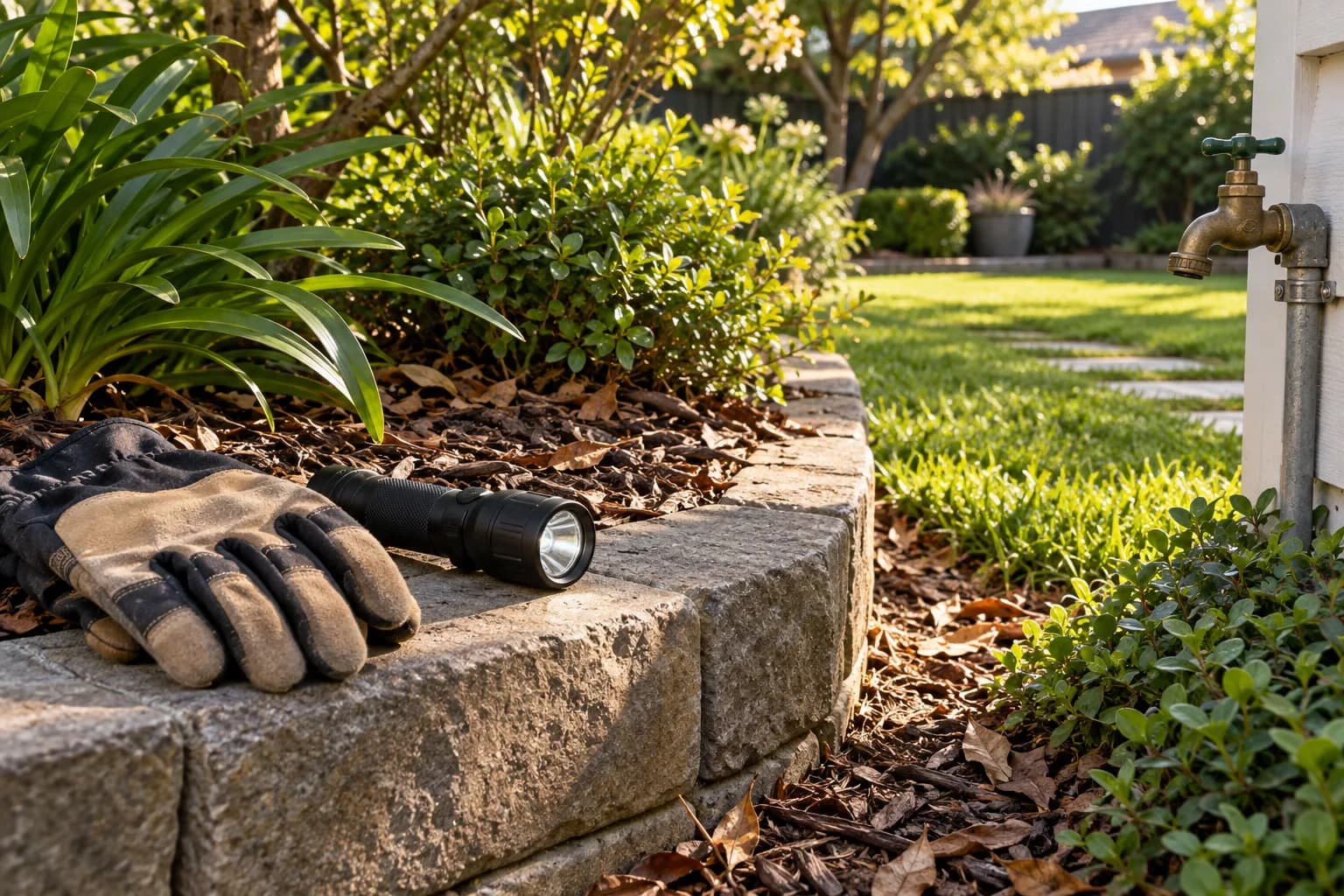 Hardware cloth under raised beds keeps gophers away from the plants you care about.
Understanding Gopher Behavior and Biology.
Pocket gophers are solitary, territorial rodents that live in extensive underground tunnel systems. Each gopher maintains its own burrow, which can cover 200 to 2,000 square feet depending on food availability and soil type. They are active year-round but peak digging occurs in spring and fall when soil moisture is optimal. Gophers have fur-lined external cheek pouches (pockets) used to carry food, a unique feature that gives them their name. Their lips close behind their teeth, allowing them to dig with their incisors without swallowing dirt. They feed primarily on roots, bulbs, and vegetation, and they cache food in underground chambers for winter. Understanding these behaviors is key to control: you must target the main burrow, not just the mounds, because gophers plug mounds from below and rarely reuse them. Traps must be placed in the lateral tunnels near fresh mounds, but the main tunnel is where the gopher spends most of its time.
How to Identify Active Gopher Tunnels.
Distinguishing active from inactive tunnels is critical for effective control. Fresh mounds are moist, loose, and have a distinct fan shape with a plugged hole off-center. In contrast, old mounds are dry, compacted, or covered with grass. To confirm activity, gently probe the mound with a long screwdriver or rod; if you feel a void 6–12 inches below the surface, you’ve found a tunnel. Then, use a shovel to carefully open a small section of the tunnel (about 6 inches wide) and remove the soil plug. Check the tunnel the next day: if it is replugged, it is active. If not, the gopher may have abandoned that tunnel. For trapping, you want to place traps in lateral tunnels that are within 12 inches of a fresh mound, as the gopher will pass through them frequently. Remember, gophers are solitary, so each active system typically has only one gopher. If you have multiple mounds spread across your yard, you likely have multiple gophers.
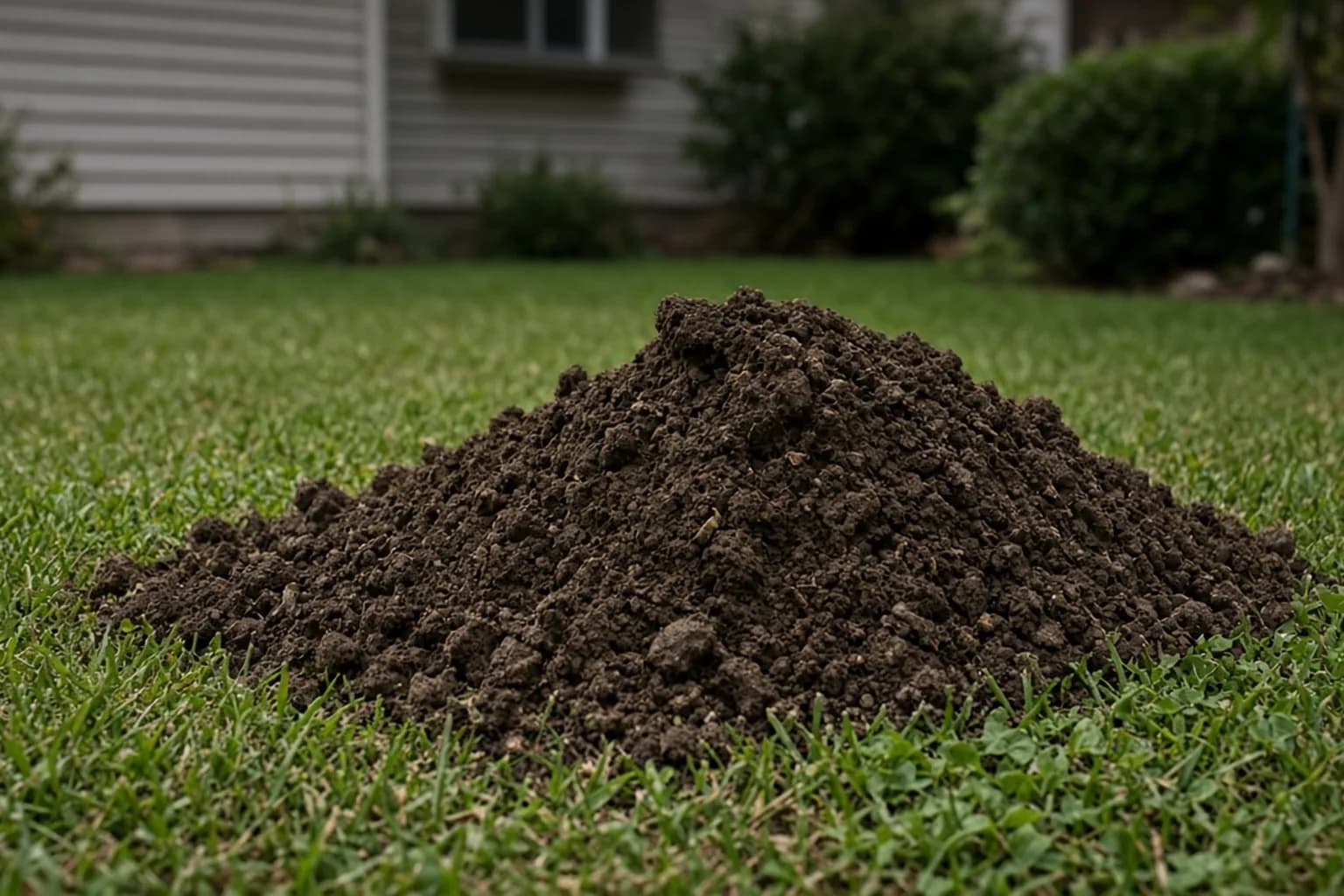 Gopher mounds are fan-shaped, with a plugged hole off to one side.
Comparing Gopher Control Methods: Effectiveness and Safety.
The most effective control methods are trapping and exclusion. Trapping (using Macabee or Victor Easy Set traps) is considered the gold standard because it directly removes the gopher and is target-specific, posing minimal risk to non-target animals. Fumigation (using gas cartridges) can be effective but is less commonly used because it requires professional handling and can be dangerous if misapplied. Poison baits (e.g., strychnine or zinc phosphide) are available but carry risks of secondary poisoning to predators and pets; they are regulated and often require a license. Repellents like castor oil or sonic spikes have limited and inconsistent efficacy; they may temporarily deter gophers but rarely solve an infestation. For most homeowners, a combination of trapping (either DIY or professional) and habitat modification (reducing food sources, installing barriers) provides the best long-term solution.
The Economic Impact of Gopher Infestations.
Gopher damage can be costly. A single gopher can kill a mature tree by girdling its roots. Irrigation system repairs from gnawed lines add to the bill. Lawn damage from mounds and tunnels may require reseeding or sod replacement. On agricultural land, gophers cause damage to crops in affected fields. For a typical suburban home, the total cost of ignoring a gopher problem for one season can easily exceed $1,000 in repairs and lost landscaping. Investing in professional control ($150–$700) is often more cost-effective than waiting.
Regional variations in Gopher Species and Control Methods.
There are 13 species of pocket gophers in the United States, with different ranges and behaviors. The eastern pocket gopher (Geomys bursarius) dominates the Great Plains and Midwest, while the Botta’s pocket gopher (Thomomys bottae) is common in the West and Southwest. Northern pocket gophers (Thomomys talpoides) are found in the Rocky Mountains and Pacific Northwest. Each species has slightly different tunnel depths and mound shapes, but control methods remain similar. In the West, where soils are often rocky or clay-heavy, trapping may require longer probes and heavier traps. In the Midwest, the deep, loamy soil allows for extensive tunnel systems that can be harder to locate. Understanding your local species can help tailor your approach, but the universal principles of trapping active tunnels and exclusion apply everywhere.
Which route is right for you.
If you have one or two active runs and do not mind checking traps daily, DIY trapping is worth trying — the traps cost $15 to $50 and the method is the same one professionals use. in a professional if the runs keep reappearing after a couple of weeks, if the damage covers a large area, or if you would rather not handle traps and dispose of the animal yourself. Either way, confirm which runs are active before you spend anything, and ask for a written plan with the number of visits spelled out.
What affects the price
- Property size and number of gophers (larger lots = more traps and time).
- Accessibility of tunnels (hillsides, rocky soil increase labor).
- Severity of infestation (established systems take longer to clear).
- Type of treatment (trapping vs. exclusion vs. fumigation).
- Geographic region (costs vary; the Midwest and West tend to have more gopher activity).
- workmanship warranty (some companies offer 1-year warranties, raising upfront cost).
- Additional services (e.g., irrigation repair or soil restoration after removal).
📊
What is your biggest challenge with gopher control?
When to call for help
Our no-charge inspection and workmanship warranty ensure peace of mind. Additionally, if you are uncomfortable handling traps or disposing of dead rodents, a service offers safe, humane disposal. Professionals use multiple traps and have the experience to locate main tunnels, which is critical for elimination. Call a professional if you have a large yard (over half an acre), see more than 5 fresh mounds per day, have valuable landscaping at risk, or have tried DIY trapping for 2 weeks without success.
What you can do yourself
Plus, with a workmanship warranty, you don’t pay until the gophers are gone. For heavy infestations, the cost of professional service is often offset by faster results and less damage to your property. Professionals, like those at Gopher Control, use specialized traps (Macabee and Victor Easy Set) and know how to identify the main burrow system. However, many homeowners fail because they set traps in the wrong location or use the wrong trap type. The key is to place traps in active tunnels (look for fresh mounds and probe to find the tunnel). DIY trapping can work for small infestations if you are patient and persistent.
Where you live matters
Gopher activity varies significantly across the United States. In the Great Plains and Midwest (e.g., Kansas, Nebraska, Iowa), the eastern pocket gopher is prevalent, and infestations are common in agricultural areas and suburban lawns. The deep, rich soil makes tunneling easy, and gophers can produce dozens of mounds per acre per week. In the West (California, Oregon, Washington), Botta’s pocket gopher thrives in both coastal and inland regions, often damaging vineyards, orchards, and golf courses. The rocky soil in parts of the West can make trapping more challenging, and gophers may tunnel deeper to avoid temperature extremes. In the Southwest (Arizona, New Mexico), gophers are active year-round but peak after monsoon rains. Homeowners in these regions should be especially vigilant after wet seasons. In the Northeast and Southeast, gophers are less common but can still be problematic in sandy soils or near rivers. Regardless of region, the core control strategies remain the same, but seasonal timing and soil conditions should be considered.
Gopher tips from the experts
Fresh mounds tell the story
Around your home, fresh, dark soil means a gopher is active now. Look at the mound shape, the plugged hole and any wilting plants before deciding what you have.
Gopher, mole or ground squirrel?
Gopher mounds are crescent or horseshoe shaped, with a plugged hole off to one side. Mole mounds are rounder, often with raised ridges nearby. Ground squirrel holes stay open, with no mound.
UC IPM: pocket gophersWhat they damage
Gophers chew roots, irrigation lines and sometimes buried cables. Fresh, moist soil means they’re active now. Keep watching after treatment, since a quiet yard doesn’t always mean they’re gone.
Utah State University Extension: pocket gophersBased on guidance from university extension services.
How we check our sourcesSimple ways to keep gophers away
- Remove food sources: Reduce succulent plants, weeds, and root vegetables that attract gophers.
- Install underground fencing: Bury 1/4-inch hardware cloth 3 feet deep and 18 inches above ground around gardens and trees.
- Use gravel barriers: Place 4–6 inches of coarse gravel around foundations and patios to discourage digging.
- Maintain dry soil: Reduce irrigation in areas prone to gophers; moist soil is easier to dig.
- Encourage natural predators: Owls, hawks, and snakes prey on gophers; install owl boxes or perch poles.
- Regularly inspect your property: Look for fresh mounds and fill them immediately to discourage reuse.
- Avoid over-mulching: Thick mulch provides cover and food for gophers; keep mulch 2–3 inches deep maximum.
 Ask what the quote covers if another gopher moves in after the first is caught.
Did you know?
Gophers have fur-lined external cheek pouches that they use to carry food, expanding to the size of their head.
Their lips close behind their incisors, allowing them to dig with their teeth without swallowing soil.
A single gopher can move roughly a ton of soil per year to the surface.
Questions people ask
How do I know if I have gophers or moles?
Gopher mounds are fan-shaped with a plugged hole off-center; mole mounds are volcano-shaped with a raised plug in the center. Gophers eat plants and damage roots; moles eat insects and create raised ridges on lawns.
How many gophers live in one tunnel system?
Typically one gopher per tunnel system. They are solitary and territorial, except during breeding season when males temporarily visit females.
What is the best time of year to trap gophers?
Spring and fall are best because gophers are most active and soil moisture makes tunnels easier to locate. However, trapping works year-round as long as the ground isn’t frozen.
How deep do gopher tunnels go?
Feeding tunnels are usually 6–12 inches deep, while main tunnels and nesting chambers can be 2–4 feet deep, especially in cold or dry climates.
Can I use poison baits for gophers?
Yes, but they are less recommended due to risks to pets and wildlife. Many states require a license for certain baits. Trapping is safer and more effective.
Do providers offer a warranty?
Most professionals back their work with a written workmanship warranty. If they return within the warranty period, the provider re-treats under the written terms. Ask for the written re-treatment terms before you sign.
How long does professional gopher control take?
Most infestations are resolved within 2–4 weeks with weekly trap checks. Larger properties or heavy infestations may take longer.
Will gophers damage my foundation?
Gophers rarely damage concrete foundations directly, but their tunnels can cause soil settling under patios, walkways, and driveways, leading to cracks or sinking.
How much does it cost to trap gophers?
In Diy Vs Professional Gopher Control, professional gopher trapping typically runs $150 to $700 depending on the size of the lot, while DIY traps run $20 to $50 each. In Diy Vs Professional Gopher Control, ask for a written quote that spells out the number of visits and what the follow-up covers, rather than relying on a national average.
Sources (5)
The facts in this article come from the public sources listed above. Every home is different, so ask the company you talk to about pricing and what’s included. Published by Gopher Exterminator · Updated September 11, 2026 · How we write these guides