The short version
Gopher control requires identifying active tunnels, then using traps or fumigation. Professional trapping programs cost $150–$500 for standard lots, with larger properties up to $700. DIY methods are less reliable.
- Gophers are solitary and territorial; each tunnel system usually contains one gopher.
- Peak activity is spring and fall when soil moisture makes digging easier.
- Professional trapping is the most effective method, with costs ranging $150–$700.
- DIY methods like flooding or repellents have low success rates and may worsen damage.
- no-charge inspection and workmanship warranties are available from licensed pros.
- Expect a professional gopher program to run from roughly $150 to $700 depending on property size and the number of active tunnels.
Whether you have a small suburban lawn, a large estate, or an agricultural property, the principles here apply. This guide is for homeowners and property managers in the United States who are dealing with gopher damage on their residential or commercial land. If you want to stop mounds from appearing and protect your landscaping without wasting money on ineffective products, this is for you.
What to look for
They are solitary and fiercely territorial, so each tunnel system typically houses only one gopher. Pocket gophers (family Geomyidae) are medium-sized rodents that live almost entirely underground. Without intervention, a gopher infestation can quickly spiral, as vacant tunnels attract new gophers from surrounding areas. The most reliable method is trapping—but it requires knowledge of tunnel patterns and proper trap placement. Their underground lifestyle makes them difficult to control: flooding, ultrasonic devices, and repellents rarely work. In warmer regions, they may be active year-round. Gopher activity peaks in spring and fall when the soil is moist and easier to excavate. They also gnaw on plastic irrigation lines, causing leaks and water waste. Worse, gophers feed on roots, which can kill shrubs, trees, and garden plants. These mounds can smother grass, create tripping hazards, and damage mower blades. However, a single gopher can dig a system covering 200 to 2,000 square feet, pushing up mounds of displaced soil.
- 1Fresh, fan-shaped mounds of loose soil (often 6–12 inches wide) appear overnight.
- 2Crescent-shaped or horseshoe-shaped plugs of soil on the surface (entrance holes).
- 3Wilting or dying plants, shrubs, or trees due to root damage.
- 4Irregular soft spots in the lawn when you walk—underground tunnels collapsing.
- 5Irrigation system leaks or reduced water pressure from gnawed lines.
- 6Visible burrow openings (usually plugged) near the base of trees or along fence lines.
- 7Multiple mounds in a linear pattern, following the main tunnel.
Why it’s worth acting soon
- Root damage can kill valuable trees and shrubs, costing thousands to replace.
- Tunnels can undermine patios, walkways, and retaining walls, leading to structural issues.
- Burrows attract other pests like snakes, voles, or rodents seeking shelter.
- Irrigation system damage worsens over time, increasing water bills and repair costs.
- Gophers reproduce quickly; a single pair can produce 2–3 litters per year, expanding the problem.
Treatment options and typical costs
Professional Trapping Program
$150–$500
A licensed technician identifies active tunnels and sets two-pronged pincher traps inside. Traps are checked every 1–2 days until the gopher is caught. Most programs include a workmanship warranty and follow-up visits.
- Time
- 1–2 weeks for initial control; ongoing monitoring optional
- Best for
- Homeowners who want results that vary by property and provider and minimal effort.
Burrow Fumigation (Aluminum Phosphide)
$200–$700
A restricted-use pesticide that releases toxic gas inside the tunnel system. Only pest control pros can apply. Effective for large infestations but requires soil conditions (moisture) to work.
- Time
- Single treatment; may need reapplication if new gophers move in
- Best for
- Large properties with heavy infestations; not suitable near buildings or shallow tunnels.
DIY Trapping
$20–$60 (traps only)
Homeowners purchase traps (e.g., Macabee, Gophinator) and set them in active tunnels. Requires identifying fresh mounds and correctly placing traps. Success rates vary; may take multiple attempts.
- Time
- Variable; often 2–4 weeks to become proficient
- Best for
- Handy homeowners with small infestations and patience to learn.
Exclusion (Underground Fencing)
$1–$3 per linear foot (materials only)
Installing 18–24 inch deep hardware cloth or mesh around garden beds or foundations. This prevents gophers from tunneling into protected areas.
- Time
- Permanent if installed correctly
- Best for
- Protecting specific high-value areas like vegetable gardens or flower beds.
Prices are typical published ranges. Ask what’s included before you compare quotes.
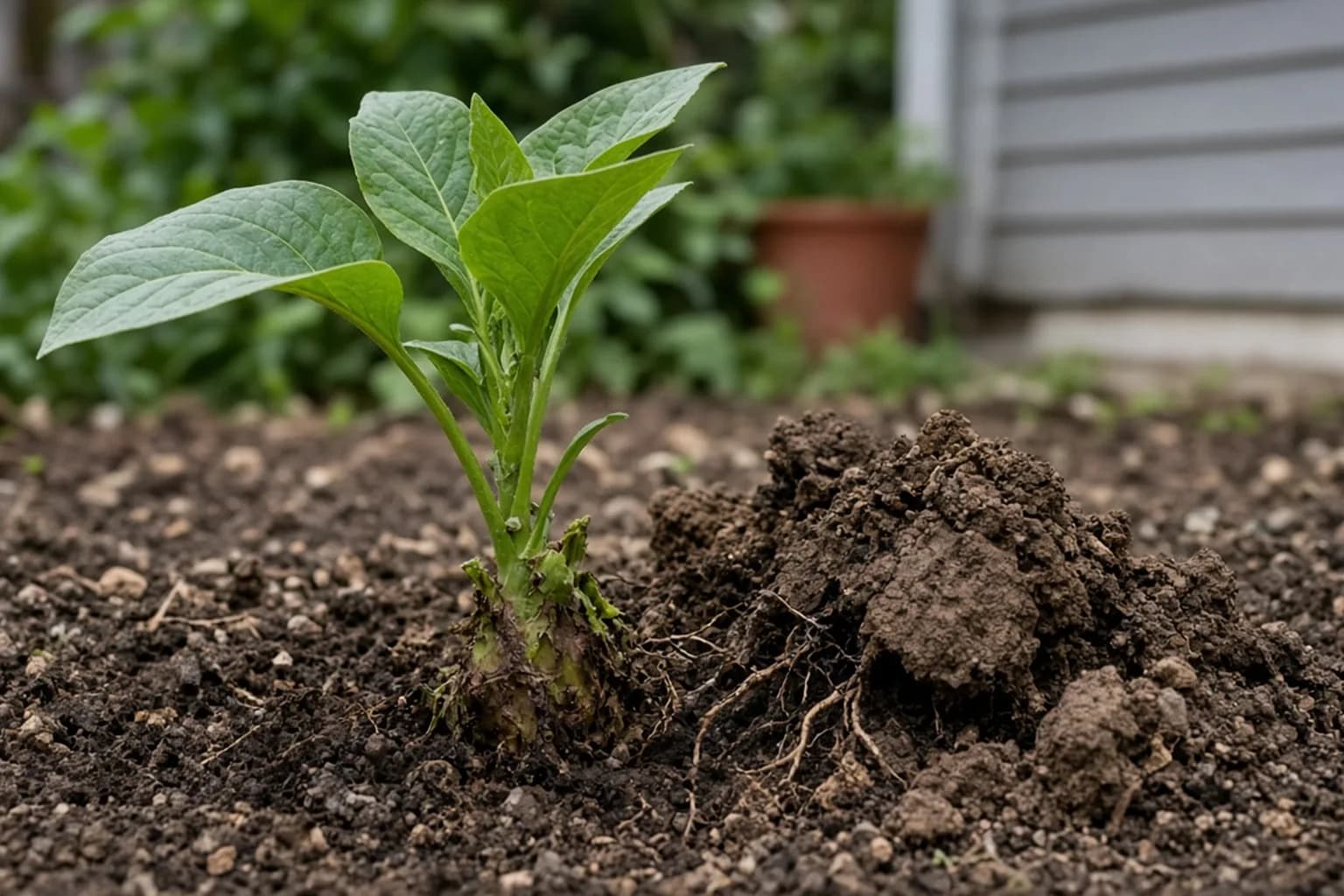 Gophers eat roots from below. Plants that wilt and lift out easily are a classic sign.
Understanding Gopher Behavior and Tunnel Systems.
They are also more active after rain. Gophers are active year-round but are most visible in spring and fall when soil moisture makes digging easier. The main tunnel is usually plugged with soil to maintain humidity and exclude predators. Mounds are formed when the gopher pushes excavated soil to the surface through short side tunnels. Each gopher maintains a complex tunnel system that includes a main runway (typically 6–12 inches deep) and multiple lateral feeding tunnels that radiate outward. Pocket gophers are solitary, subterranean rodents that spend almost their entire lives underground. Their burrowing aerates soil but can also cause severe damage to plant roots, irrigation lines, and underground utilities. A gopher can consume a large amount of plant material daily. Their diet consists mainly of roots, tubers, and bulbs, but they also surface to feed on green vegetation near the tunnel opening. This is why continuous monitoring is important. However, when a gopher dies or is removed, vacant tunnels are quickly colonized by another gopher within days. Because they are territorial, a single tunnel system usually houses only one adult gopher.
Trapping Techniques: The Gold Standard for Gopher Control.
Set two traps facing opposite directions so the gopher is caught from either approach. Dig down to the main tunnel (usually 6–12 inches deep) and clear out any loose dirt. To find an active tunnel, probe the soil near a fresh mound with a metal rod or screwdriver—the soil will feel soft and hollow. The key is to place traps in active tunnels, not abandoned ones. Trapping is the most effective and widely recommended method for gopher control. Use gloves and even rub the traps with soil to mask odors. Also, avoid handling traps with bare hands—human scent can deter gophers. Always locate the actual runway. Mounds are just dirt piles, not tunnels. One common mistake is setting traps in mounds rather than in the main tunnel. Professional trappers often set multiple traps across several tunnels and may use a technique called "tunnel probing" to map the system. Check traps every 24 hours; if you don't catch a gopher within 3 days, try a different tunnel. Both are effective when set correctly. Popular trap types include the Macabee (wire trap that kills instantly) and the Gophinator (a two-pronged pincher trap). Cover the hole with a board or bucket to block light, as gophers avoid open spaces.
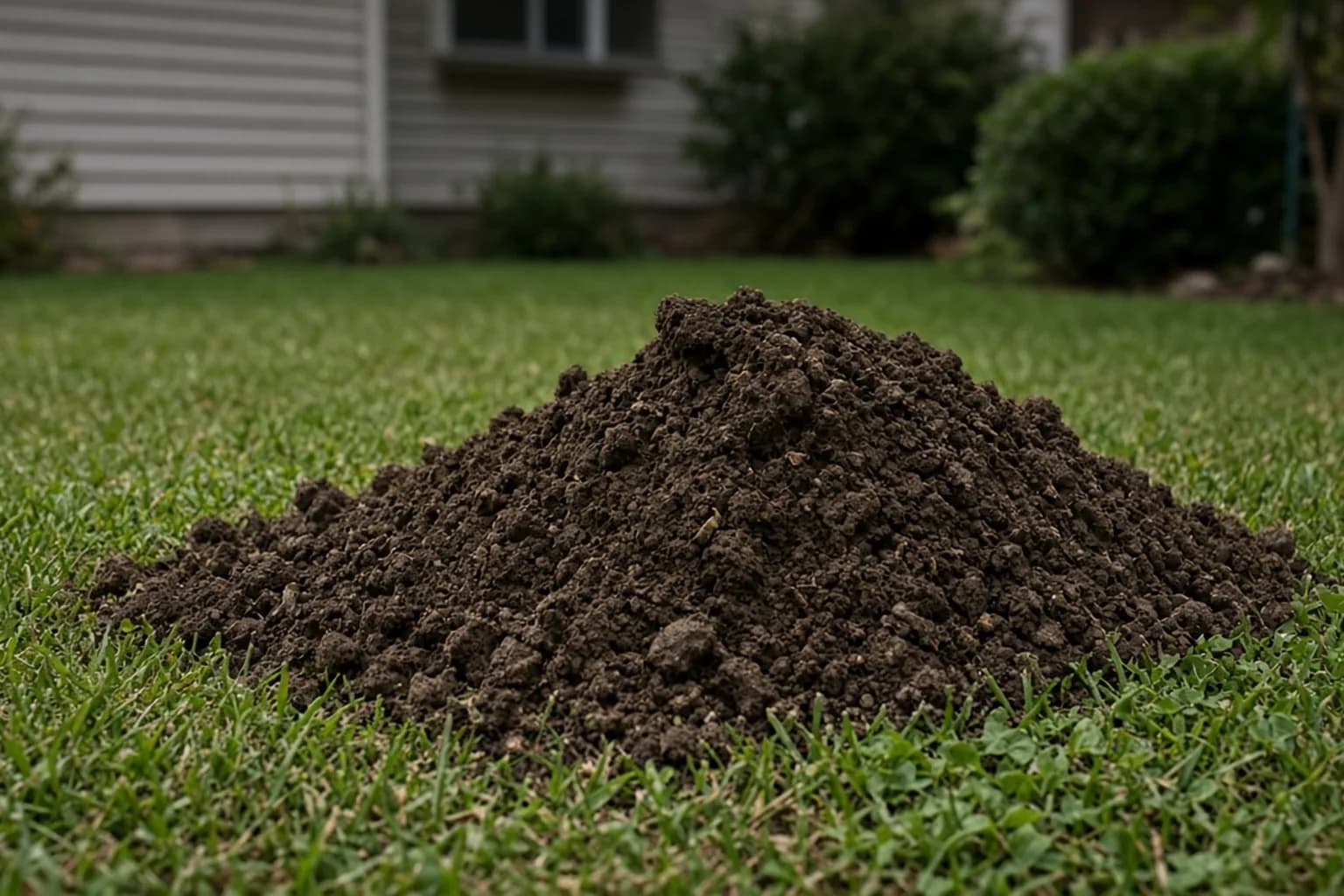 Gopher mounds are fan-shaped, with a plugged hole off to one side.
Fumigation: When and How It Works.
This method is best for large infestations where trapping would be too time-consuming, or for properties with difficult terrain. The gas kills gophers within minutes. Burrow fumigation with aluminum phosphide is a professional-only method that releases phosphine gas into the tunnel system. If you see dead gophers above ground after treatment, that's normal—they often exit before dying. Homeowners should never attempt fumigation. Safety is paramount: only certified applicators can use aluminum phosphide due to its high toxicity. Most professionals combine fumigation with trapping or exclusion for long-term control. The treatment is usually a one-time application, but re-infestation can occur if neighboring gophers move in. Costs for fumigation range from $200 to $700, depending on the number of burrows and property size. Fumigation is not recommended if tunnels are shallow (less than 6 inches deep) or near buildings, as gas can seep into structures. However, it requires specific soil conditions: the soil must be moist enough to hold the gas but not so wet that the tablets dissolve too quickly.
Integrated Pest Management (IPM) for Gophers.
Remove weeds and cover crops that gophers eat; keep lawns mowed short; and consider planting gopher-resistant plants like daffodils, marigolds, or rosemary. Start with prevention: modify the habitat to make it less attractive. An IPM approach combines multiple strategies to manage gopher populations sustainably. However, predators alone rarely eliminate an established gopher population—they help keep numbers in check. Barn owls are particularly effective, as a single family can consume hundreds of rodents per year. encourage natural predators by installing owl boxes or raptor perches. Some professionals also use bait boxes with toxic bait rodenticides, but these pose risks to non-target wildlife and pets, so they are not recommended for most homeowners. After removing gophers, monitor for new activity weekly, especially during peak seasons. Use fumigation only if trapping fails or the infestation is extreme. If gophers are already present, trapping is the primary control method. Next, use exclusion around high-value areas—install underground fencing with a bottom flange.
What affects the price
- Property size and number of mounds (larger areas require more traps and visits).
- Severity of infestation (established tunnel systems are harder to clear).
- Accessibility (sloped terrain, dense vegetation, or hard soil increase labor).
- Treatment type (fumigation costs more than trapping due to equipment and licensing).
- Geographic region (prices vary; Western states often have higher gopher pressure).
- workmanship warranty (programs with unlimited follow-ups cost more upfront).
- Additional damage repair (e.g., fixing irrigation lines or reseeding lawn).
📊
What is your biggest frustration with gopher control?
When to call for help
Most companies offer no-charge inspection and a workmanship warranty, so there’s little risk in getting a quote. If you have more than five fresh mounds, if DIY attempts have failed after two weeks, or if you have valuable landscaping that cannot tolerate root damage, call a professional. Also, if you are uncomfortable handling traps or using pesticides, a licensed technician ensures safe and effective control.
What you can do yourself
DIY gopher control can work for light infestations, but it requires significant time and effort. You must correctly identify active tunnels (not abandoned ones), place traps in the main runway, and check them daily. Many homeowners give up after a few days. Professional services, on the other hand, use proven techniques and have the experience to locate tunnels quickly. They also offer warranties—if the gopher returns, so do they. For most people, the cost of a pro ($150–$700) is worth the peace of mind and faster results. That said, if you have a small yard and enjoy hands-on projects, DIY trapping with Macabee traps can be effective. Avoid flooding, smoke bombs, and ultrasonic devices—they rarely work and may drive gophers to dig deeper. The best DIY approach is to set traps in active tunnels and check them every 24 hours. If you don't catch anything in three days, you likely need a pro.
Where you live matters
Gopher pressure varies across the United States. In the West (California, Oregon, Washington), pocket gophers are a major pest for both suburban lawns and agricultural lands. The region's Mediterranean climate with wet winters and dry summers means peak activity is in spring and fall. In the Midwest and Plains states, the plains pocket gopher is common, and infestations often coincide with farming areas. In the Southeast, gophers are less prevalent but can be problematic in sandy soils near coastal areas. Northern states experience a lull in winter when the ground freezes, but gophers remain active in deeper tunnels. In the South, activity may continue year-round. Regardless of region, the best control methods are the same: trapping by a professional or diligent DIY. Local pest control companies often offer no-charge inspection, so it's worth calling a few to compare approaches and warranties. If you live in an area with heavy gopher pressure, such as the Central Valley of California or the Willamette Valley in Oregon, consider ongoing maintenance programs. These typically cost $200–$400 per year for quarterly visits and can prevent infestations from taking hold. For most homeowners, a one-time trapping program ($150–$500) is sufficient to clear an existing problem.
Gopher tips from the experts
Fresh mounds tell the story
Around your home, fresh, dark soil means a gopher is active now. Look at the mound shape, the plugged hole and any wilting plants before deciding what you have.
Gopher, mole or ground squirrel?
Gopher mounds are crescent or horseshoe shaped, with a plugged hole off to one side. Mole mounds are rounder, often with raised ridges nearby. Ground squirrel holes stay open, with no mound.
UC IPM: pocket gophersWhat they damage
Gophers chew roots, irrigation lines and sometimes buried cables. Fresh, moist soil means they’re active now. Keep watching after treatment, since a quiet yard doesn’t always mean they’re gone.
Utah State University Extension: pocket gophersBased on guidance from university extension services.
How we check our sourcesSimple ways to keep gophers away
- Remove food sources: control weeds like dandelions and clover that gophers eat.
- Install underground fencing (hardware cloth) around gardens and trees, buried 18–24 inches deep with a 6-inch L-bend at the bottom.
- Keep your lawn mowed short; gophers prefer tall grass for cover.
- Use castor oil-based repellents (e.g., Mole Max) in spring and fall, though effectiveness varies.
- Encourage natural predators: owls, hawks, and snakes can help control gopher populations. Install owl boxes if suitable.
- Inspect your property regularly for fresh mounds—early detection makes control easier.
- Avoid overwatering; moist soil attracts gophers and makes tunneling easier.
 Mark fresh mounds on a sketch. New ones show where the gopher is working now.
Did you know?
Gophers have fur-lined external cheek pouches that they use to carry food and nesting material. These pouches are not connected to the mouth—they open on the outside of the cheeks.
Their lips close behind their incisors, allowing them to dig with their teeth without getting dirt in their mouths. They can even chew roots while the mouth is closed.
A single gopher can move roughly a ton of soil per year to the surface, creating mounds that can bury small plants and smother grass.
Questions people ask
How do I know if a gopher mound is active?
You can also probe the mound with a rod—if you feel a hollow tunnel 6–12 inches deep, it's likely active. Another sign: if the soil plug at the entrance is intact and not hardened, the gopher is using it. Active mounds are fresh, with loose soil that hasn't been packed by rain or wind.
What is the best bait for gopher traps?
However, some trappers use a small amount of apple, carrot, or lettuce placed behind the trap trigger. The key is proper trap placement in an active tunnel, not bait. Gopher traps are typically unbaited because they rely on the gopher's instinct to push through the tunnel.
Will flooding gopher tunnels get rid of them?
They also have deep escape chambers. Flooding may collapse some tunnels but often forces the gopher to dig deeper, making control harder. Flooding is rarely effective. Gophers are excellent swimmers and can seal off flooded sections of their tunnels.
How long does it take for a professional to eliminate gophers?
Technicians typically visit every 1–2 days to check traps and reset them. After the initial gopher is caught, they monitor for any new activity. Most professional trapping programs achieve results within 1–2 weeks.
Can gophers damage my home's foundation?
Gophers rarely damage concrete foundations, but their tunnels can cause soil settling that affects patios, walkways, and retaining walls. They may also chew through underground PVC pipes or irrigation lines, leading to water damage.
What time of year are gophers most active?
In regions with mild winters, they can be active year-round. Activity often increases after rain. Gophers are most active in spring and fall when soil moisture is moderate and temperatures are mild.
Are gopher repellents effective?
Ultrasonic devices have no scientific backing. The only proven methods are trapping and fumigation. Most repellents (castor oil, ultrasonic devices, mothballs) have low effectiveness. Castor oil-based granular repellents may discourage gophers temporarily but rarely eliminate an infestation.
How many gophers live in a tunnel system?
Each adult gopher maintains its own tunnel system, which can cover hundreds of square feet. When one gopher is removed, another may move in within days. Typically one. Gophers are solitary and territorial.
Is a gopher control contract worth it?
Since a single large removal is listed at $500 to $1,000, a contract is often comparable if you expect repeat activity. Compare what each plan includes. It's a published estimate, not a local quote. It can be, if gophers keep coming back. In Homeowners, ask for a written quote that spells out visits and the warranty.
How much does it cost to trap gophers?
Ask how many return visits the price includes, since traps must be checked and reset. It's a published estimate, not a local quote. In Homeowners, ask for a written quote that spells out visits and the warranty. Trapping is the usual choice for homeowners who want to avoid poison baits near pets, children or vegetable gardens.
Sources (5)
The facts in this article come from the public sources listed above. Every home is different, so ask the company you talk to about pricing and what’s included. Published by Gopher Exterminator · Updated September 11, 2026 · How we write these guides