The short version
Gopher control requires identifying active tunnels, then using trapping, baiting, or exclusion. Professional trapping programs typically cost $150-$700 and offer the highest success rate.
- Gophers are solitary, territorial, and can create several mounds per day, damaging lawns and irrigation.
- Peak activity is spring and fall when soil moisture aids digging.
- Professional trapping is the most effective method, with costs ranging from $150 to $700 depending on property size.
- Prevention includes exclusion fencing, reducing soil moisture, and removing food sources like dandelions.
It is especially relevant for those with lawns, gardens, golf courses, or agricultural land where gopher mounds and root damage are a problem. If you've seen fresh mounds, noticed plants wilting, or found chewed irrigation lines, this information will help you decide the best course of action. This guide is written for homeowners and property managers in the United States who are dealing with or want to prevent gopher damage.
What to look for
Unlike moles, which eat insects, gophers are herbivores and actively destroy plants. A single pocket gopher can produce 20 to 30 mounds per month during peak seasons. Their tunnels follow a main runway (often 6–12 inches deep) with lateral feeding tunnels radiating outward. Because they are solitary, a large property may host multiple gophers, each with its own territory. Damage is often underestimated until plants die or irrigation systems fail, making early intervention critical. Gophers are fossorial rodents that spend most of their lives underground. They feed on roots, bulbs, and occasionally above-ground vegetation, which they pull into their tunnels from below. Their digging aerates soil but also destabilizes the ground, creating hazards for livestock and machinery. The mounds they push to the surface can ruin the aesthetics of a lawn and smother grass.
- 1Fan-shaped mounds of loose soil with a plugged hole (gopher mounds are crescent or fan-shaped, unlike volcano-shaped mole mounds).
- 2Wilting or dying plants, especially those with deep roots like trees or shrubs, as gophers sever roots underground.
- 3Chewed or exposed irrigation lines, drip tape, or sprinkler heads.
- 4Mounds appearing suddenly, often overnight, especially after rain or irrigation.
- 5Tunnel ridges in lawns or soft soil, indicating shallow feeding tunnels.
- 6Holes in the ground that appear to be plugged with soil (gophers seal their tunnel entrances).
- 7Damage to underground utility cables or landscape fabric.
Why it’s worth acting soon
- Extensive root damage can kill valuable trees and shrubs, leading to costly replacements.
- Irrigation system damage can result in water waste and expensive repairs.
- Mounds can damage lawn mowers and create tripping hazards.
- Gophers can attract predators like coyotes or snakes to your property.
- Tunnels can cause soil erosion and undermine patios, walkways, or retaining walls.
Treatment options and typical costs
Professional Trapping
$150-$700
pest control pros set traps in active tunnels, checking and resetting them regularly. This is the most effective and environmentally friendly method.
- Time
- 1–3 visits over 1–2 weeks
- Best for
- Homeowners wanting results that vary by property and provider without handling traps or poison.
Baiting with Rodenticides
$50-$200 (DIY) or $200-$500 (professional)
Using grain-based baits placed in tunnels. Requires careful placement to avoid non-target animals. Often used in agricultural settings.
- Time
- Ongoing; baits need replenishment
- Best for
- Large properties where trapping is impractical; users who follow label directions strictly.
Exclusion Fencing
$200-$1,000+ depending on area
Installing underground mesh barriers (e.g., ½-inch hardware cloth) to prevent gophers from entering specific areas like gardens.
- Time
- Permanent if properly installed
- Best for
- Prevention in new gardens or around high-value plants.
Prices are typical published ranges. Ask what’s included before you compare quotes.
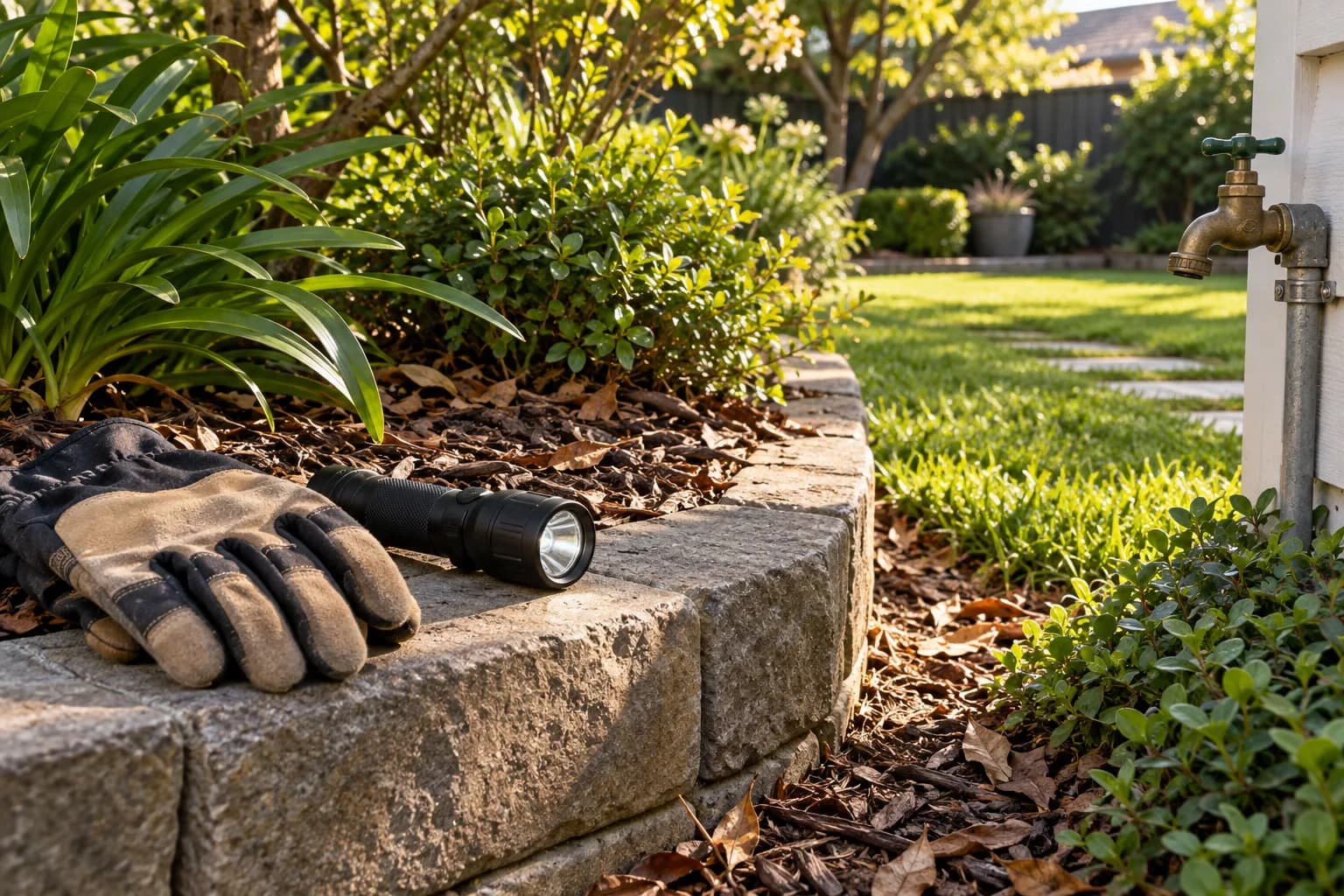 Hardware cloth under raised beds keeps gophers away from the plants you care about.
Understanding Gopher Behavior and Tunnel Systems.
Pocket gophers are solitary, highly territorial rodents. Each gopher constructs a complex tunnel system that includes a main nest chamber, food storage chambers, and numerous lateral feeding tunnels. The main tunnel is usually 4–18 inches deep, following a winding path that can extend over 200 feet. Feeding tunnels radiate outward, and the gopher pushes soil to the surface in fan-shaped mounds. Because gophers are solitary, a single mound cluster often represents one animal. However, multiple clusters on a property indicate multiple gophers. They are most active in early morning and late afternoon, and their digging peaks in spring and fall when soil moisture is optimal. Understanding this behavior is crucial for effective trapping: traps must be placed in active lateral tunnels, not in main runways or plugged mounds.
Comparing Trapping Methods: Which Trap Works Best?
The two most common traps for pocket gophers are the cinch trap and the box trap. The cinch trap (e.g., Victor Easy Set) uses a spring-loaded mechanism that snaps a loop around the gopher's body when it pushes against a trigger pan. It is placed inside a lateral tunnel and secured with a stake. The box trap is a wooden or plastic box with a guillotine-style door that drops when the gopher enters. Both require careful placement: the trap must be set in an active tunnel (indicated by fresh soil in the mound) and the tunnel must be opened and then covered to block light. A common mistake is setting traps in main runways, which gophers often avoid. Professionals prefer cinch traps because they are less bulky and can be placed in tight tunnels. For best results, set two traps in each active tunnel, facing opposite directions.
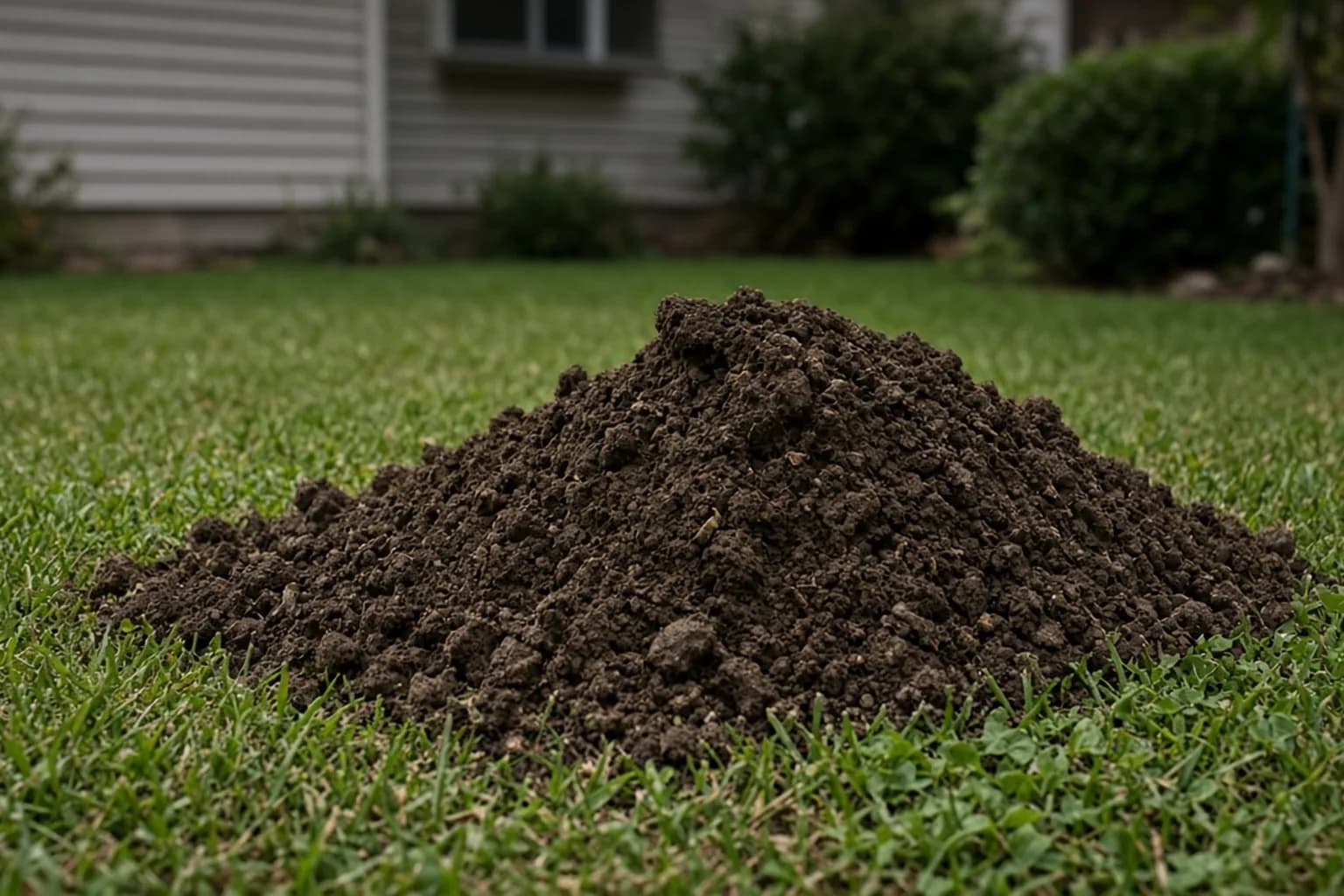 Gopher mounds are fan-shaped, with a plugged hole off to one side.
The Role of Baiting and Its Risks.
Rodenticide baits for gophers typically contain zinc phosphide or toxic baits like diphacinone. These are placed inside active tunnels using bait probes to minimize exposure to non-target animals. However, baiting carries significant risks: poisoned gophers may die above ground and be consumed by predators (secondary poisoning), and baits can be accidentally dug up by pets or children. The EPA regulates these products, and users must follow label directions exactly. In many residential areas, baiting is discouraged due to these risks. Professional baits are often placed in labeled, tamper-resistant stations, but even then, trapping is preferred for its specificity and immediate results.
What affects the price
- Property size and number of gophers: larger lots with multiple gophers require more time and traps.
- Accessibility: steep slopes, dense vegetation, or rocky soil increase labor.
- Severity of infestation: long-established tunnel systems may require multiple visits.
- Method chosen: trapping is typically more expensive than baiting but more reliable.
- Geographic region: prices vary by local cost of living and competition.
- workmanship warranty: companies that offer follow-up treatment (ask what is included) may charge more upfront.
- Season: spring and fall are peak seasons, and demand may raise prices.
📊
What is your biggest challenge with gopher control?
When to call for help
Gophers are solitary but territorial, so a professional can quickly assess how many animals are present and target them efficiently. no-charge inspection and workmanship warranties make professional help a low-risk investment. If you have multiple mounds appearing daily, if plants are dying rapidly, or if you've tried DIY methods without success, it's time to call a professional.
What you can do yourself
DIY gopher control can be effective for light infestations. Options include traps (like cinch traps or box traps), castor oil repellents, and flooding tunnels. However, success rates are often low because gophers quickly learn to avoid traps or push dirt over them. Baiting carries risks to pets, children, and wildlife, and misapplication can make the problem worse. Professional services use specialized equipment and experience to locate main tunnels and set traps precisely. They also offer follow-up visits and warranties that reduce the hassle. For most homeowners, the time and frustration saved by hiring a pro outweigh the cost.
Where you live matters
Gopher activity varies across the US based on soil type and climate. In the Pacific Northwest, the Mazama pocket gopher is common in volcanic soils, and heavy winter rains can push tunnels closer to the surface, increasing lawn damage in spring. In the Midwest, the plains pocket gopher thrives in loamy soils, and infestations often coincide with crop fields. In the Southeast, the southeastern pocket gopher is found in sandy soils, and mounds can appear year-round, but peak activity is still spring and fall. In arid western states, gophers concentrate around irrigated areas like lawns and golf courses, making their damage more localized. Regardless of region, the same control principles apply: identify active tunnels, use traps, and prevent re-entry with exclusion. For professional help tailored to your area, call
Gopher tips from the experts
Fresh mounds tell the story
Around your home, fresh, dark soil means a gopher is active now. Look at the mound shape, the plugged hole and any wilting plants before deciding what you have.
Gopher, mole or ground squirrel?
Gopher mounds are crescent or horseshoe shaped, with a plugged hole off to one side. Mole mounds are rounder, often with raised ridges nearby. Ground squirrel holes stay open, with no mound.
UC IPM: pocket gophersWhat they damage
Gophers chew roots, irrigation lines and sometimes buried cables. Fresh, moist soil means they’re active now. Keep watching after treatment, since a quiet yard doesn’t always mean they’re gone.
Utah State University Extension: pocket gophersBased on guidance from university extension services.
How we check our sourcesSimple ways to keep gophers away
- Install underground fencing made of ½-inch hardware cloth at least 2 feet deep, with an L-shaped bend outward at the bottom.
- Reduce soil moisture by fixing leaky irrigation and improving drainage, as gophers prefer moist soil for digging.
- Remove food sources like dandelions, clover, and other broadleaf weeds that gophers eat.
- Plant gopher-resistant plants such as daffodils, marigolds, rosemary, or lavender.
- Use castor oil repellents (granules or sprays) as a deterrent, reapplying after rain.
- Keep lawns mowed short to reduce cover for gophers and make mounds more visible.
- Regularly inspect for fresh mounds and act quickly to prevent established tunnel systems.
 Mark fresh mounds on a sketch. New ones show where the gopher is working now.
Did you know?
Gophers have fur-lined external cheek pouches that they use to carry food back to their burrows. They can stuff up to a handful of roots or grasses in each pouch.
Their lips close behind their incisors, allowing them to dig with their teeth without swallowing dirt. This adaptation lets them excavate tunnels while keeping their mouth clean.
A gopher's tunnel system can include separate chambers for nesting, food storage, and even a latrine area.
Questions people ask
How do I know if I have gophers or moles?
Gopher mounds are fan-shaped or crescent-shaped with a plugged hole off to one side. Mole mounds are volcano-shaped with a central opening. Gopher tunnels are often deeper and have a main runway, while mole tunnels are just under the surface and create raised ridges.
What is the best time of year for gopher control?
Spring and fall are best because gophers are most active digging in moist soil, making it easier to find fresh mounds and active tunnels. Trapping during these seasons yields higher success rates.
Can I get rid of gophers by flooding their tunnels?
Flooding is generally ineffective because the tunnel system is designed to drain quickly, and gophers can seal off sections. It may temporarily drive them out but often just makes the problem worse by causing them to dig new tunnels.
Are gopher repellents like castor oil effective?
Castor oil repellents can deter gophers for a short time, but they are not a long-term solution. Gophers may avoid treated areas for a few weeks, but will eventually return, especially if food is available.
How many gophers typically live in a yard?
Because gophers are solitary and territorial, each tunnel system usually has only one gopher. However, a large yard can support multiple gophers, each with its own territory. Mounds appearing in distinct clusters often indicate separate animals.
What plants do gophers avoid?
Gophers tend to avoid plants with strong scents or toxic compounds, such as daffodils, marigolds, rosemary, lavender, and oleander. However, when food is scarce, they may still sample these.
Is it safe to use poison bait in my yard?
Poison baits can harm pets, children, and wildlife. If you choose to use them, they must be placed deep inside active tunnels using a bait probe, and the tunnel entrance must be covered. Professional application is safer and more effective.
How long does professional gopher control take?
Most professional trapping programs require 1–3 visits over 1–2 weeks. The technician sets traps, checks them every 24–48 hours, and removes any captured gophers. A workmanship warranty ensures follow-up if needed.
How much does gopher removal cost?
In Gopher Prevention, professional gopher trapping typically runs $150 to $700 depending on the size of the lot, while DIY traps run $20 to $50 each. In Gopher Prevention, ask for a written quote that spells out the number of visits and what the follow-up covers, rather than relying on a national average.
Sources (5)
The facts in this article come from the public sources listed above. Every home is different, so ask the company you talk to about pricing and what’s included. Published by Gopher Exterminator · Updated September 11, 2026 · How we write these guides