Explore gopher control services
 01
Gopher Trapping
Traps set in the main tunnel near fresh mounds and checked until the digging stops.
Explore this service 02
Baiting
Labeled baits placed deep in tunnels where they're allowed and safe for the property.
Explore this service 03
Wire Barriers
Hardware cloth under raised beds and wire baskets around tree roots and bulbs.
Explore this service 04
Lawn & Garden Repair
Flattening mounds, filling tunnels and reseeding once the digging has stopped.
Explore this serviceWhy do gophers keep coming back?
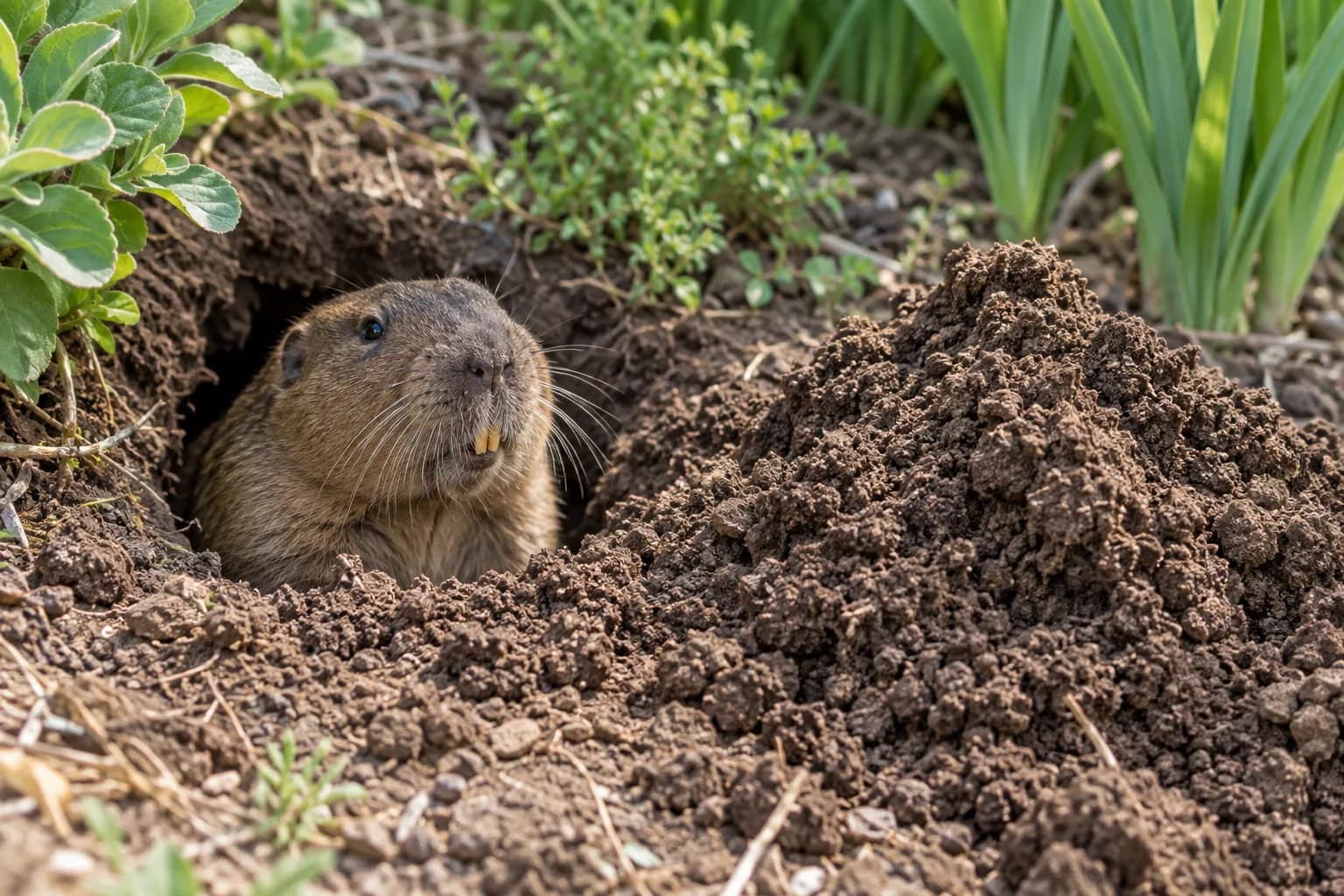
Pocket gophers eat roots, bulbs and young plants from below, and push up fan-shaped mounds as they dig. A yard usually has just one or two, since each lives alone in its own tunnel system. They're most active in spring and fall, when the soil is moist.
Gophers live in the West, the Great Plains and parts of the Midwest and Deep South. In much of the East, the digging is really moles, voles or chipmunks, and they need different fixes. Getting the ID right first saves money.
Below you'll find how to tell the diggers apart, how traps are set, how to protect beds and trees, and what gopher control usually costs.
What kind of gopher problem are you seeing?
Fan-shaped mounds
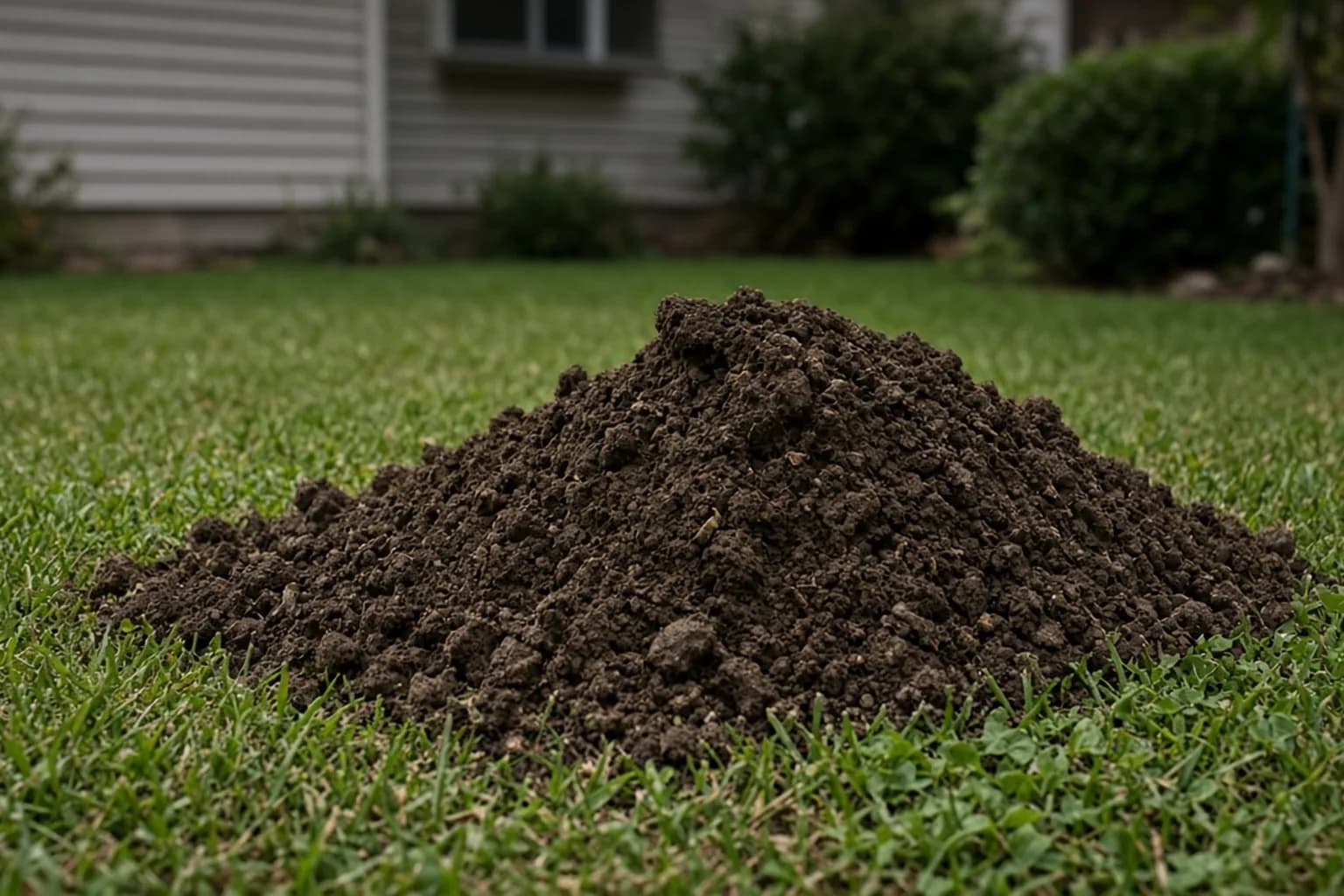
Gopher mounds are lopsided, with a plugged hole on one side. Round, volcano-like mounds are usually moles.
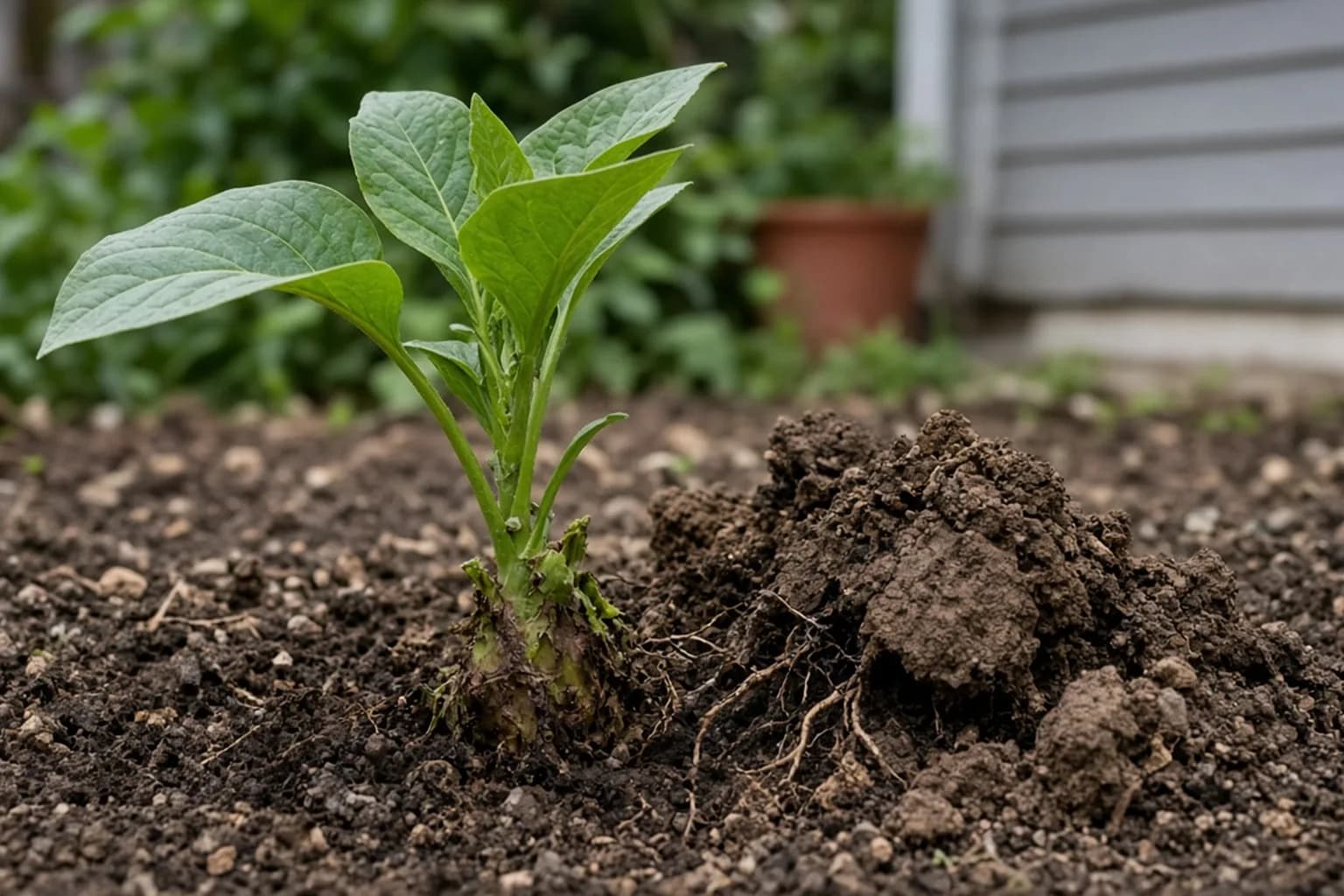
Plants that disappear
Gophers pull plants down from below. A wilting plant that lifts out with no roots is a classic sign.
Chewed drip lines
Wet spots or weak sprinklers in spring can mean gophers chewed through the tubing.
What should you ask before booking?
Ask what the visit includes, how much it costs, and whether a follow-up is included. It’s also helpful to know what you’ll need to do before treatment and when you can use the area again.
Have children or pets at home? Mention them when discussing treatment. For a business, let the company know your opening hours so you can talk about a convenient time to visit.
How gopher activity changes through the year
- Spring: Peak digging as the soil warms and stays moist. The best time to trap.
- Summer: Heat and dry soil push them deeper. Fewer fresh mounds.
- Fall: A second peak before winter. Protect new plantings.
- Winter: Frozen ground slows surface work in the North; mild areas see digging year-round.
Keep exploring your options
- Gopher Trapping — Traps set in the main tunnel, checked and reset until fresh mounds stop.
- Baiting Programs — Review label, legal, non-target, and site-suitability questions before discussing bait with a provider.
- Exclusion Barriers — Compare mesh size, depth, drainage, root space, access, and maintenance for selected beds or plants.
- Lawn & Garden Restoration — Document confirmed damage and compare repair scope after active burrowing and utility locations are assessed.
- Contact and quote request — ask a question or request a quote.