The short version
Gopher control requires identifying active tunnels, then trapping or baiting. For best results, hire a pro who offers a workmanship warranty.
- Gophers are solitary and territorial; each tunnel system usually holds one animal.
- A single gopher can create several mounds per day and damage roots, irrigation, and lawns.
- Spring and fall are peak seasons due to moist soil making tunneling easier.
- Professional trapping programs cost $150–$700 depending on property size and infestation level.
- Prevention includes exclusion fencing, reducing soil moisture, and removing food sources.
This guide is for homeowners, property managers, and anyone dealing with gopher damage on residential or commercial land. If you have lawns, gardens, golf courses, or agricultural fields, and you’re seeing mounds or plant die-off, this content will help you understand the problem and find effective solutions.
What to look for
Pocket gophers (family Geomyidae) are common across the United States, from the Great Plains to the West Coast and the Southeast. They spend almost their entire lives underground in elaborate tunnel systems that can cover hundreds of square feet. A single gopher can produce several mounds in a day, especially during spring and fall when soil moisture makes digging easier. Their burrows aerate soil but also damage root systems, disrupt irrigation, and create tripping hazards. Because gophers are solitary and territorial, each tunnel system typically houses only one gopher. However, a property can host multiple gophers if conditions are favorable—ample food, loose soil, and limited predators. Infestations often go unnoticed until significant damage appears. The rodents’ fur-lined cheek pouches allow them to carry food back to their tunnels, and their unique ability to close their lips behind their incisors lets them dig without swallowing soil.
- 1Fan-shaped mounds of loose soil (often crescent or horseshoe-shaped) — gophers plug the entrance hole from below.
- 2Wilting or dying plants, especially those with deep roots like trees, shrubs, and vegetables.
- 3Girdled roots or chewed irrigation lines discovered during gardening or landscaping.
- 4Visible tunnel ridges in lawns (less common than mounds, but may appear in loose soil).
- 5Sudden collapse of soil over tunnels when walked on.
- 6Feeding activity on underground plant parts — carrots, potatoes, and bulbs may be eaten from below.
- 7Presence of gopher droppings or nesting material near tunnel openings (rare above ground).
Why it’s worth acting soon
- Extensive root damage can kill trees and shrubs, leading to costly removal and replacement.
- Tunnels can undermine patios, walkways, and foundations, causing structural issues.
- Irrigation lines are frequently gnawed, resulting in water waste and high repair bills.
- Gopher activity attracts predators like snakes, which may become a nuisance themselves.
- Population can multiply quickly if multiple gophers colonize adjacent territories.
Treatment options and typical costs
Trapping
$150–$500
Using two-pronged traps placed inside active tunnels. Traps must be set correctly to avoid non-target animals.
- Time
- 1–3 weeks for complete removal
- Best for
- Most homeowners; environmentally safe; no toxins.
Baiting with Rodenticides
$200–$700
Poison baits (usually toxic baits) placed in tunnels. Requires careful handling to protect pets and wildlife.
- Time
- 1–2 weeks for control
- Best for
- Large properties with heavy infestations where trapping is impractical.
Exclusion Fencing
$300–$1,000+
Installing underground wire mesh (¼-inch hardware cloth) around gardens or critical areas to prevent digging.
- Time
- Permanent if maintained
- Best for
- Preventing reinfestation in specific zones like vegetable gardens.
Habitat Modification
$0–$200
Reducing food sources (grubs, roots) and soil moisture to make property less attractive.
- Time
- Ongoing
- Best for
- Part of an integrated pest management plan.
Prices are typical published ranges. Ask what’s included before you compare quotes.
 Hardware cloth under raised beds keeps gophers away from the plants you care about.
How to Identify Active Tunnels.
Setting traps in lateral feeding tunnels is less effective because gophers may not use them frequently. Use a probe to locate it, then carefully open a small hole to place the trap. The main tunnel is typically 6–12 inches below the surface and runs parallel to the mound line. For trapping, it’s critical to find the main tunnel—the deeper, straight path connecting feeding tunnels. Active tunnels usually have moist, loose soil and no spiderwebs or debris inside. Another method: probe the soil near mounds with a metal rod until you feel a void (the tunnel). If the mound has been rebuilt, the tunnel is active. To test activity, collapse a few mounds by stomping them flat, then check the next day. Gophers seal their burrow entrances with soil plugs, creating the characteristic mounds. Before any control method, you must confirm which tunnels are active.
Gopher Behavior and Life Cycle.
Understanding these habits helps in timing control efforts—early spring before breeding, or fall when they are storing food for winter. Their tunneling aerates soil but also dries out roots, causing plant stress. They consume roots, bulbs, and stems, storing food in their cheek pouches. Gophers have a high metabolic rate and must eat constantly. During hot, dry summers or cold winters, they may dig deeper and produce fewer mounds. Gophers are active year-round but are most visible in spring and fall when they push soil to the surface. This is why infestations can expand rapidly: each new gopher creates its own tunnel system. The young leave the burrow at about 6 weeks and establish their own territories. Females give birth to 2–6 young after a 3-week gestation. Pocket gophers are solitary except during breeding season (typically late winter to early spring).
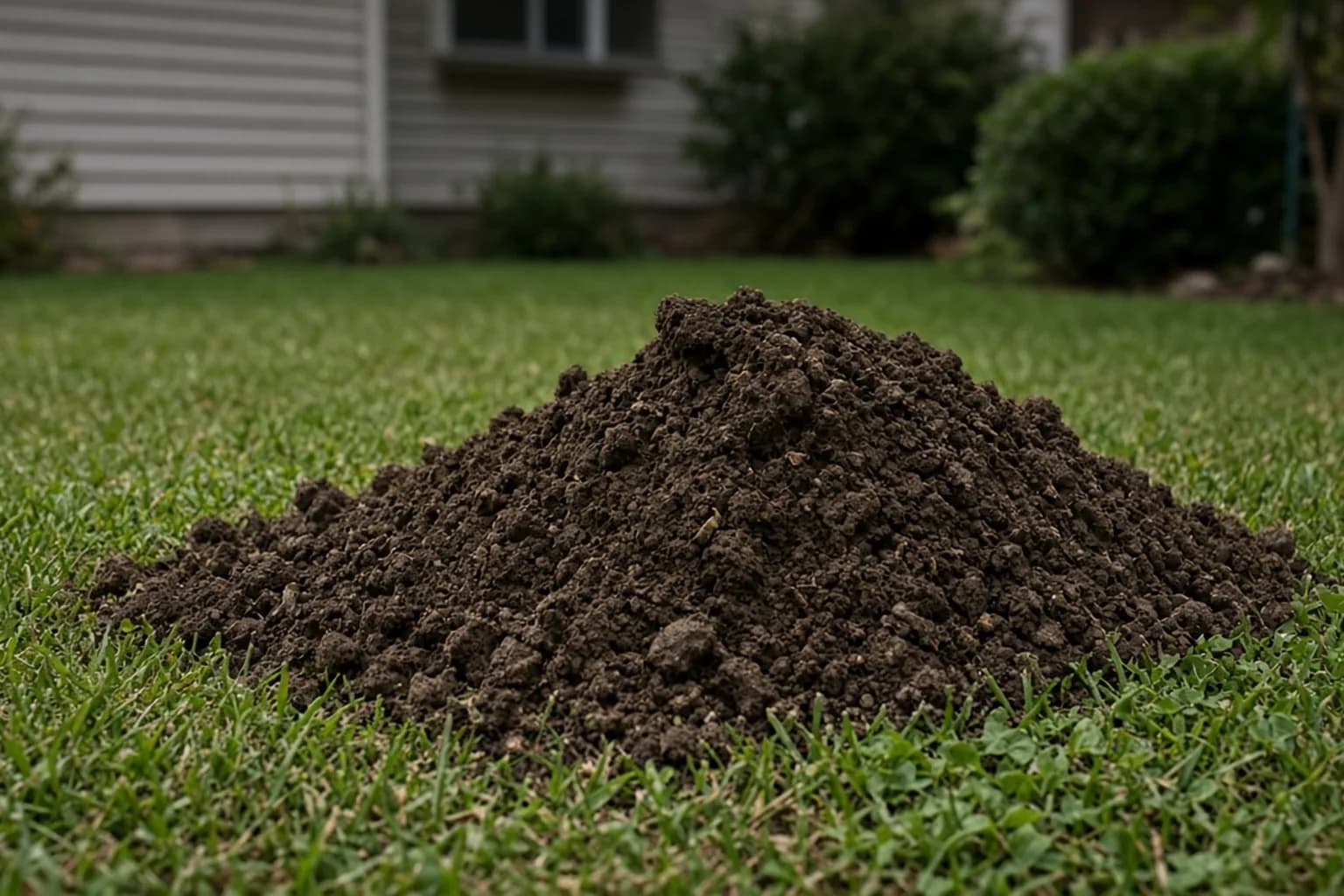 Gopher mounds are fan-shaped, with a plugged hole off to one side.
Regional Variation in Gopher Species and Control.
Always check with your local extension office or pest control professional for region-specific advice. Some states restrict certain toxic baits to protect non-target wildlife like owls or hawks. Control methods are similar, but local regulations on rodenticides vary. For example, Botta’s gopher is common in California and can be active year-round in mild climates, while the northern pocket gopher in the Rockies may hibernate briefly during deep snow. Each species has slightly different tunneling patterns and habitat preferences. The United States hosts several pocket gopher species, including the Botta’s pocket gopher (western US), the plains pocket gopher (central states), and the southeastern pocket gopher (Florida and Georgia).
How big a gopher problem really is.
In How To Get Rid Of Gophers, count the active mounds during your walk-through — that number, not a national average, is what should drive a treatment plan. In How To Get Rid Of Gophers, because each gopher is solitary, a yard with several fresh mounds usually means several animals, each with its own network. In How To Get Rid Of Gophers, tunnel systems typically run 6 to 12 inches below the surface, with deeper nesting and food-storage chambers. In How To Get Rid Of Gophers, state wildlife agencies put a single pocket gopher at roughly a ton of soil moved per year, and mounds are the first thing most people notice.
What affects the price
- Property size: Larger lots require more traps, bait stations, or fencing.
- Infestation severity: More gophers mean more labor and materials.
- Accessibility: Difficult terrain or dense landscaping increases time.
- Treatment method: Baiting is often cheaper than trapping but may require repeated applications.
- Geographic region: Costs vary by local labor rates and pest pressure.
- warranty: Many pros offer a workmanship warranty (e.g., follow-up treatment (ask what is included) if gophers return within a period).
- Permits or regulations: Some areas restrict rodenticide use, affecting options and cost.
📊
What method would you try first for gopher control?
When to call for help
Ask whether the inspection is credited toward the work and whether the warranty is written. Also, if you have pets or children and are concerned about poison bait, a trapping program by a licensed technician is safer. If you have multiple mounds appearing daily, if the infestation covers more than half an acre, or if you’ve tried DIY methods without success, it’s time to call a professional.
What you can do yourself
DIY trapping can be effective for small, single-gopher infestations. The key is locating the main tunnel (not just a lateral) and setting traps correctly. However, many homeowners struggle with identification and placement, leading to wasted time and continued damage. Professional pest control operators have experience, specialized tools, and knowledge of local gopher behavior. They also provide warranties, which DIY methods lack. For large or persistent problems, the cost of a pro ($150–$700) often saves money compared to repeated failed attempts and landscape repair.
Where you live matters
Gopher activity peaks in spring and fall across most of the US, but timing varies by region. In the Pacific Northwest, mounds may appear as early as February, while in the Midwest, activity often starts in March. In southern states like Texas or Florida, gophers can be active year-round, though summer heat may reduce above-ground signs. The type of soil also matters: sandy or loamy soils are easier to dig and thus more prone to infestation, while heavy clay may limit tunnel extent. Rural and suburban areas near open fields, pastures, or golf courses are at higher risk. Urban properties with large lawns and gardens can also become infested if gophers move in from adjacent green spaces. The cost of professional control reflects local labor rates: $150–$300 for a small yard in the Midwest, up to $700 for a multi-acre property in California. Always get a no-charge inspection from a licensed operator who understands local gopher behavior.
Gopher tips from the experts
Fresh mounds tell the story
Around your home, fresh, dark soil means a gopher is active now. Look at the mound shape, the plugged hole and any wilting plants before deciding what you have.
Gopher, mole or ground squirrel?
Gopher mounds are crescent or horseshoe shaped, with a plugged hole off to one side. Mole mounds are rounder, often with raised ridges nearby. Ground squirrel holes stay open, with no mound.
UC IPM: pocket gophersWhat they damage
Gophers chew roots, irrigation lines and sometimes buried cables. Fresh, moist soil means they’re active now. Keep watching after treatment, since a quiet yard doesn’t always mean they’re gone.
Utah State University Extension: pocket gophersBased on guidance from university extension services.
How we check our sourcesSimple ways to keep gophers away
- Install underground barrier fencing (¼-inch mesh, 2 feet deep) around gardens and high-value plants.
- Reduce soil moisture by improving drainage and avoiding overwatering.
- Remove food sources: control grubs and other root-feeding insects; plant gopher-resistant bulbs like daffodils.
- Encourage natural predators: owls, hawks, and snakes can help keep populations in check. Install owl boxes if appropriate.
- Mow grass regularly and keep vegetation short to reduce cover for gophers.
- Use castor oil-based repellents (granules or sprays) as a deterrent, though effectiveness varies.
- Regularly inspect your property for new mounds and act immediately.
 Mark fresh mounds on a sketch. New ones show where the gopher is working now.
Did you know?
Gophers have fur-lined external cheek pouches used to carry food—they can hold up to a cup of roots in each pouch.
Their lips close behind their teeth, allowing them to dig with their incisors without swallowing dirt.
A gopher’s tunnel system can include separate areas for food storage, nesting, and waste disposal.
Questions people ask
How do I know if I have gophers or moles?
Gophers create fan-shaped mounds with a soil plug, while mole mounds are volcano-shaped with a central hole. Gophers eat roots and damage plants; moles eat insects and rarely harm plants directly.
What is the fastest way to get rid of gophers?
Professional trapping is the fastest method—often resolving the problem within a week. Baiting can work quickly but may be less safe.
Can I use poison to kill gophers?
Yes, but toxic bait rodenticides are restricted in some areas and pose risks to pets and wildlife. Always follow label directions and consider professional application.
How much does gopher control cost?
Typical professional trapping programs range from $150 to $500 for a standard residential lot. Large or heavily infested properties may cost up to $700 or more.
Will gophers come back after removal?
Many pros offer a warranty for a period. Exclusion fencing and habitat modification reduce the chance of reinfestation. Yes, unless you take preventive measures.
What time of year are gophers most active?
Spring and fall are peak seasons when soil moisture is ideal for digging. However, they can be active year-round in mild climates.
How deep do gopher tunnels go?
Main tunnels are typically 6–12 inches deep, but can go up to 3 feet in loose soil. Feeding tunnels are shallower, often just below the surface.
Do ultrasonic repellents work for gophers?
No, there is no scientific evidence that ultrasonic devices repel gophers. They are not considered effective by pest control professionals.
Sources (5)
The facts in this article come from the public sources listed above. Every home is different, so ask the company you talk to about pricing and what’s included. Published by Gopher Exterminator · Updated September 11, 2026 · How we write these guides