The short version
Gopher control involves identifying active tunnels, trapping or baiting, and preventing re-infestation. Professional services cost $150–$700 depending on property size and severity.
- Pocket gophers are solitary, territorial rodents that create extensive tunnel systems and multiple mounds daily.
- Spring and fall are peak seasons; activity is highest when soil moisture is optimal for digging.
- Professional trapping programs typically cost $150–$500 for standard lots, with larger properties up to $700.
- Signs of infestation include fan-shaped mounds, chewed roots, and sudden plant die-off.
- DIY methods are often ineffective; professional removal offers warranties and faster results.
- Expect a professional gopher program to run from roughly $150 to $700 depending on property size and the number of active tunnels.
This guide is for homeowners, property managers, and anyone dealing with gopher damage on residential or commercial land. If you're seeing fresh mounds, wilting plants, or tripping hazards from tunnels, you need actionable advice—not fluff.
What to look for
Unlike moles, gophers leave no surface ridges; their mounds are closed, with a plug that seals the entrance. They feed on roots, bulbs, and tubers, often killing prized ornamentals and garden vegetables. A single gopher can excavate a tunnel system covering hundreds of square feet, pushing excess soil to the surface in characteristic fan-shaped mounds. Pocket gophers (Geomyidae family) are fossorial rodents that spend nearly their entire lives underground.
- 1Fan-shaped mounds of loose soil, often 6–12 inches wide, with a plugged side hole.
- 2Sudden wilting or death of plants, especially deep-rooted ones like trees or shrubs.
- 3Chewed irrigation lines or underground cables (gophers gnaw to wear down incisors).
- 4Soft, spongy ground underfoot from collapsed tunnels.
- 5Feces or food caches in exposed tunnels after heavy rain.
- 6Multiple new mounds appearing overnight, especially in spring and fall.
- 7Visible runways along fence lines or garden edges where gophers travel.
Why it’s worth acting soon
- Extensive root damage can kill mature trees and shrubs, costing hundreds in replacement.
- Irrigation system repairs from chewed lines can run $200–$500 per leak.
- Collapsed tunnels create tripping hazards and can damage lawn mowers.
- Gophers attract predators like snakes and coyotes, which may become nuisance animals.
- Untreated infestations expand; a single gopher can multiply to 5–10 within a season in ideal conditions.
Treatment options and typical costs
Professional Trapping
$150-$500
pest control pros set box traps or cinch traps in active tunnels. Traps are checked every 24–48 hours until the gopher is caught. Most programs include multiple visits and a workmanship warranty.
- Time
- 1–3 weeks
- Best for
- Homeowners wanting complete removal without toxic chemicals.
Baiting (Rodenticides)
$200-$600
Zinc phosphide or toxic baits placed in tunnels. Must be used carefully to avoid non-target wildlife. Often combined with trapping for heavy infestations.
- Time
- 1–4 weeks
- Best for
- Large properties where trapping is impractical; requires follow-up to remove dead gophers.
Burrow Fumigation
$300-$700
Gas cartridges (e.g., aluminum phosphide) inserted into active tunnels. Very effective but requires specialized equipment and licensing. Not suitable for structures or heavy clay soil.
- Time
- Single treatment, but may need repeat
- Best for
- Rapid elimination of multiple gophers in open fields or pastures.
Exclusion & Habitat Modification
$100-$400
Install underground wire mesh (hardware cloth) around gardens, raised beds, and tree roots. Remove food sources and reduce soil moisture that attracts gophers.
- Time
- Ongoing maintenance
- Best for
- Prevention after removal, especially for high-value landscaping.
Prices are typical published ranges. Ask what’s included before you compare quotes.
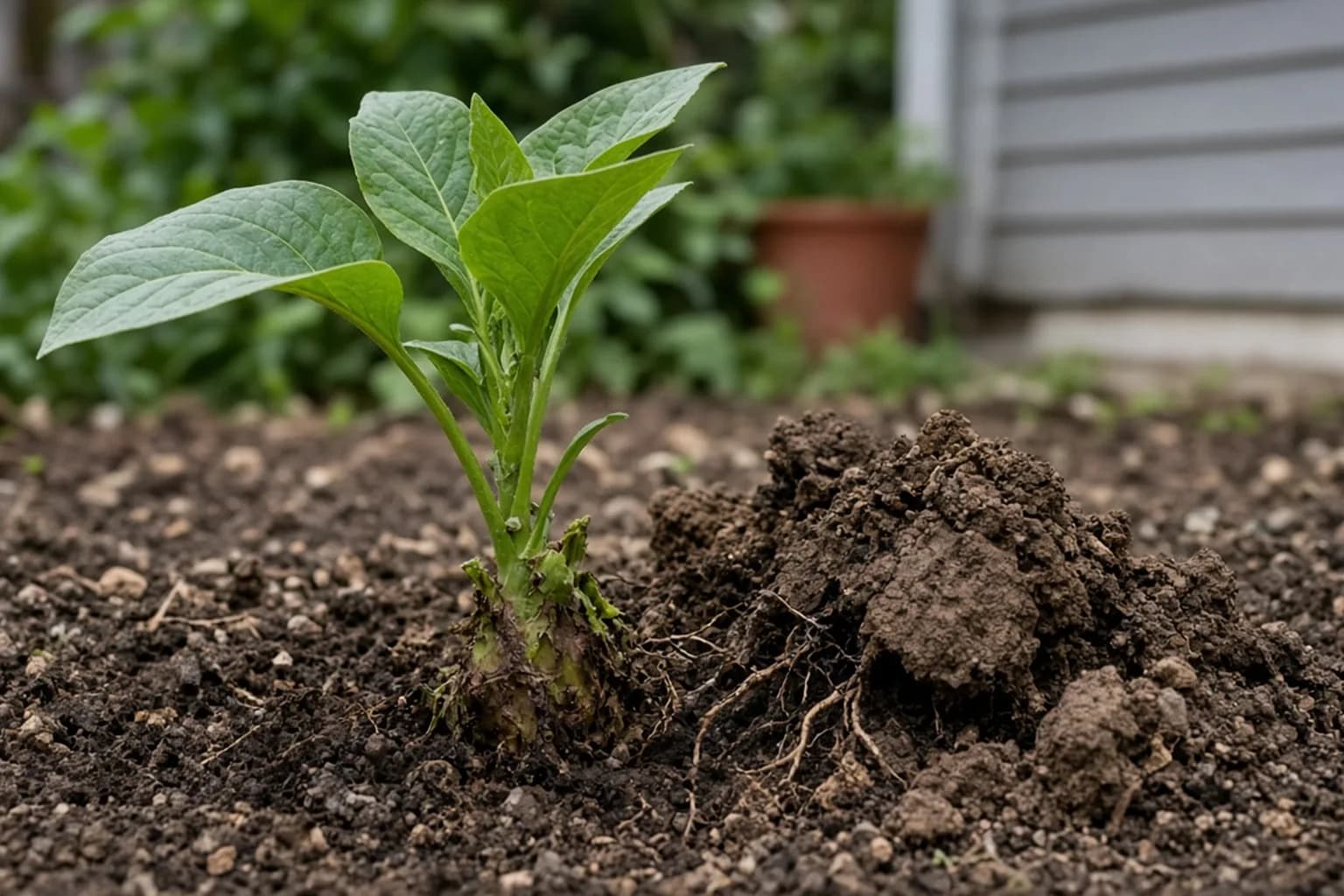 Gophers eat roots from below. Plants that wilt and lift out easily are a classic sign.
Gopher Biology and Behavior That Matters for Control.
Understanding this helps target control efforts during peak activity. They are active year-round but dig most in spring and fall when soil moisture is ideal—too wet and tunnels collapse, too dry and soil is hard to excavate. Males have larger territories (up to 2,000 square feet), while females occupy about 500–1,000 square feet. Each tunnel system typically houses one adult. Gophers are solitary except during breeding. This also means they can cut roots cleanly, often girdling trees. A unique adaptation: their lips close behind their incisors, allowing them to gnaw roots without swallowing dirt. They have fur-lined cheek pouches used to carry food—hence the name 'pocket' gopher. Their stout bodies, powerful claws, and small eyes are adapted for digging. Pocket gophers are built for a subterranean life.
How to Properly Identify Active Gopher Tunnels.
Checking traps daily improves success rates. Once active tunnels are identified, traps are placed inside and covered to exclude light. Professional trappers often use a 'tunnel finder' tool to locate main runways. Avoid setting traps in old, collapsed tunnels or those with spiderwebs. Active tunnels are usually 6–12 inches deep and follow a straight line between mounds. Another method: probe the ground with a metal rod near mounds; when you feel a void, mark it. Open the mound by scraping away the plug; if the tunnel is open and the gopher repairs it within 24–48 hours, it's active. To find active tunnels, look for fresh mounds with moist, clumpy soil. Setting traps or bait in inactive tunnels wastes time.
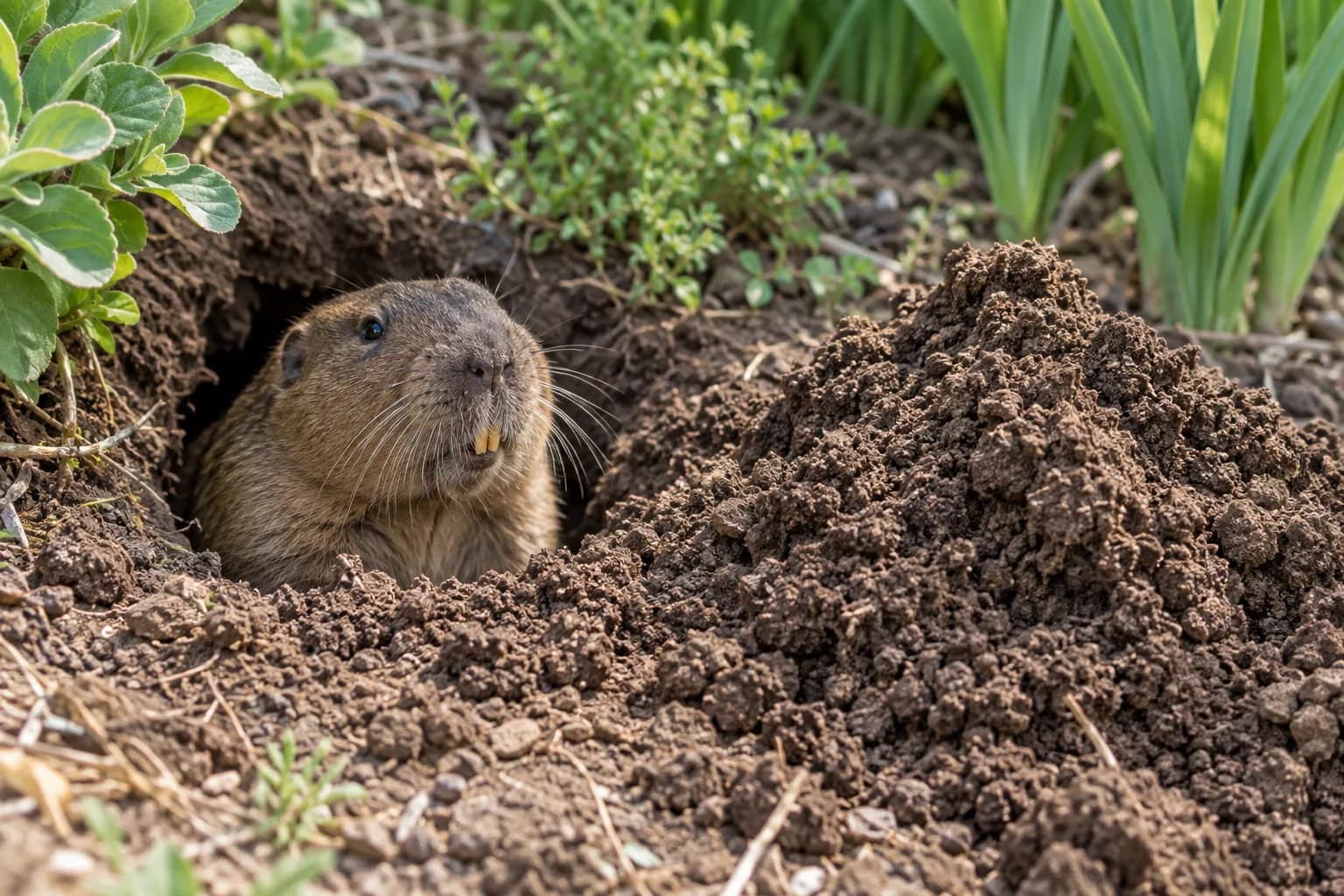 Pocket gophers are stocky, with cheek pouches and long front claws. Each one lives alone.
Regional variations in Gopher Species Across the US.
Always check local regulations before using lethal methods, as some species are protected. Knowing your local species can help identify the severity of damage. For example, Botta's gophers are smaller and create smaller mounds, while plains gophers can create mounds up to 2 feet wide. While control methods are similar, species vary in size and digging depth. Southeastern species include the southeastern pocket gopher (Geomys pinetis). In the Pacific Northwest, the Mazama pocket gopher is a threatened species in some areas, requiring special handling. The US hosts several pocket gopher species, but the most widespread are the plains pocket gopher (Geomys bursarius) in the Midwest and Great Plains, and the Botta's pocket gopher (Thomomys bottae) in the West and Southwest.
What affects the price
- Property size and acreage: larger lots require more traps and visits.
- Infestation severity: number of mounds and active tunnels increases labor.
- Accessibility: sloped terrain, dense vegetation, or underground utilities add time.
- Treatment method: trapping is generally cheaper than fumigation.
- Regional labor rates: urban areas with higher cost of living charge more.
- workmanship warranties: companies offering re-treatment if gophers return may cost more upfront.
- Time of year: peak spring/fall demand can raise prices.
📊
What’s your biggest frustration with gophers?
When to call for help
many local providers offer a no-charge inspection and a workmanship warranty, so you don't pay until the problem is solved. Ask about a no-charge inspection. If you see more than a few mounds, damage to valuable plants, or have tried DIY traps without success, it's time to call a professional. Gophers are solitary but territorial; missing one can allow the infestation to rebound.
What you can do yourself
However, if you have a small yard and one or two mounds, DIY with a cinch trap can work—just be prepared to check traps daily and reset as needed. For a $150–$500 investment, you get results that vary by property and provider and save hours of trial and error. Professional services bring experience, multiple traps, and follow-up visits. Gas bombs (smoke cartridges) are often ineffective because gophers plug tunnels quickly. While a single gopher can be trapped with patience, most homeowners misidentify active tunnels or fail to set traps correctly. DIY gopher control usually involves setting traps or using repellents.
Where you live matters
For properties near natural habitats like fields or forests, gophers may recolonize from surrounding areas, making ongoing monitoring essential. Regardless of region, the core principles remain: identify active tunnels, use traps or bait correctly, and prevent re-entry with barriers. Northern states see a lull in winter when the ground freezes, but activity spikes with the spring thaw. In the Midwest, heavy clay soils mean tunnels are shallower and easier to collapse with flooding. In the arid Southwest, gophers concentrate near irrigated lawns and gardens, making exclusion more practical. In the wet Pacific Northwest, gophers are active nearly year-round due to mild winters, and mounds can be confused with molehills. While gophers are found across most of the US, regional differences affect control strategies.
Gopher tips from the experts
Fresh mounds tell the story
Around your home, fresh, dark soil means a gopher is active now. Look at the mound shape, the plugged hole and any wilting plants before deciding what you have.
Gopher, mole or ground squirrel?
Gopher mounds are crescent or horseshoe shaped, with a plugged hole off to one side. Mole mounds are rounder, often with raised ridges nearby. Ground squirrel holes stay open, with no mound.
UC IPM: pocket gophersWhat they damage
Gophers chew roots, irrigation lines and sometimes buried cables. Fresh, moist soil means they’re active now. Keep watching after treatment, since a quiet yard doesn’t always mean they’re gone.
Utah State University Extension: pocket gophersBased on guidance from university extension services.
How we check our sourcesSimple ways to keep gophers away
- Install underground fencing: bury 1/2-inch hardware cloth at least 18 inches deep with a 90-degree bend outward at the bottom.
- Reduce soil moisture: fix leaky irrigation and improve drainage to make soil less appealing for digging.
- Remove food sources: plant gopher-resistant bulbs (daffodils, alliums) and avoid thick mulches near garden beds.
- Encourage natural predators: owls, hawks, and snakes prey on gophers; install owl boxes if appropriate.
- Regularly inspect your property: walk the lawn weekly in spring and fall to spot new mounds early.
- Avoid overwatering: lush lawns attract gophers by providing tender roots.
- Use castor oil repellents: though not 100% effective, some granular products can discourage tunneling when applied monthly.
 Ask what the quote covers if another gopher moves in after the first is caught.
Did you know?
Gophers have fur-lined external cheek pouches used to carry food—they can stuff up to a handful of roots in each pouch.
Their lips close behind their teeth, allowing them to gnaw through roots without ingesting soil.
Gophers can tunnel at a rate of 3–4 feet per hour in loose soil.
Questions people ask
How do I know if I have gophers or moles?
Gophers create fan-shaped mounds with a plugged side hole, while moles make volcano-shaped mounds or surface ridges. Gophers eat plant roots, causing die-off; moles eat insects and rarely damage plants directly.
What is the most effective gopher control method?
Baiting can also work but poses risks to non-target animals. Professional trapping with multiple traps in active tunnels has a high success rate. Trapping is the most reliable method for homeowners when done correctly.
How much does professional gopher removal cost?
Ask whether the inspection is credited toward the work. Most programs include multiple visits and a workmanship warranty. Costs range from $150 to $700 depending on property size and severity.
Can gophers damage my house foundation?
Gophers rarely damage concrete foundations, but their tunnels can cause soil erosion under slabs, patios, or sidewalks, leading to settling. They also chew irrigation lines and underground cables.
How long does it take to get rid of gophers?
DIY efforts can take months if not done correctly. Baiting may take longer. With professional trapping, most gophers are caught within 1–3 weeks.
Do gophers carry diseases?
Gophers can carry fleas that transmit sylvatic plague and tularemia, though risk to humans is low. Avoid direct contact; wear gloves if handling traps or dead gophers.
What time of year are gophers most active?
Peak activity is in spring (March–May) and fall (September–November) when soil moisture is ideal for digging. However, they can be active year-round in mild climates.
Will gophers eventually leave on their own?
Without control, populations grow and damage increases. Gophers are territorial and will stay as long as food is available. No.
Sources (5)
The facts in this article come from the public sources listed above. Every home is different, so ask the company you talk to about pricing and what’s included. Published by Gopher Exterminator · Updated September 11, 2026 · How we write these guides