Around Virginia
Conditions vary across the state. Choose your city below, then describe what’s happening around your home or business.
Local gopher information
Learn what to look for around your property, explore your city, and ask about an inspection or a quote.
Conditions vary across the state. Choose your city below, then describe what’s happening around your home or business.
Where you see gophers, how long it has been going on, and anything you’ve already tried are the most useful details to mention.
Ask about an inspection, what treatment would involve, and whether follow-up visits are included. You don’t need to identify the problem yourself before getting in touch.
Before you compare quotes, it helps to know which gophers actually live in Virginia, when they are busiest, and what the state figures look like. Everything below links to the agency or university page it came from.
The Department of Wildlife Resources mammal species list includes no pocket gopher; the burrowers listed are the eastern mole, hairy-tailed mole and star-nosed mole.
Virginia Department of Wildlife ResourcesElevation and region, not gopher species, explain what is digging where.
Virginia Cooperative Extension, Virginia TechA national EPA registration alone is not enough; using a product not certified in Virginia is illegal.
Virginia Cooperative Extension, Virginia TechMoles surface-tunnel year-round; above-ground movement is rare and mostly spring and fall at night.
No pocket gophers occur in Virginia. Moles are insectivores and improve soil aeration, which shapes extension guidance toward tolerance and trapping.
Sources: Virginia Department of Wildlife Resources; Virginia Cooperative Extension, Virginia Tech; Internet Center for Wildlife Damage Management; UC IPM (University of California Agriculture and Natural Resources). Figures are quoted as the source prints them. How we check our sources
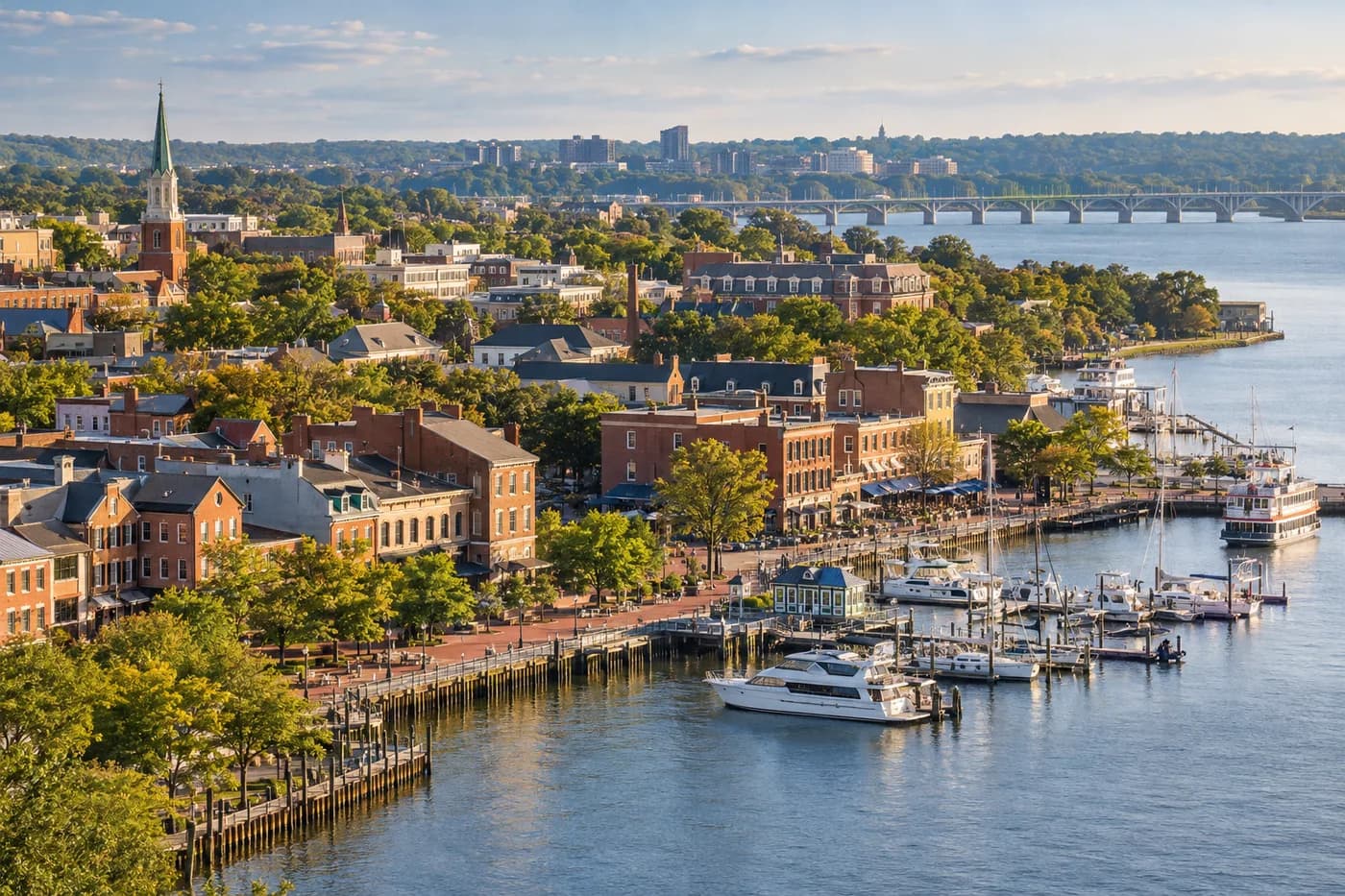
Humid Subtropical · urban setting
Read the local guide →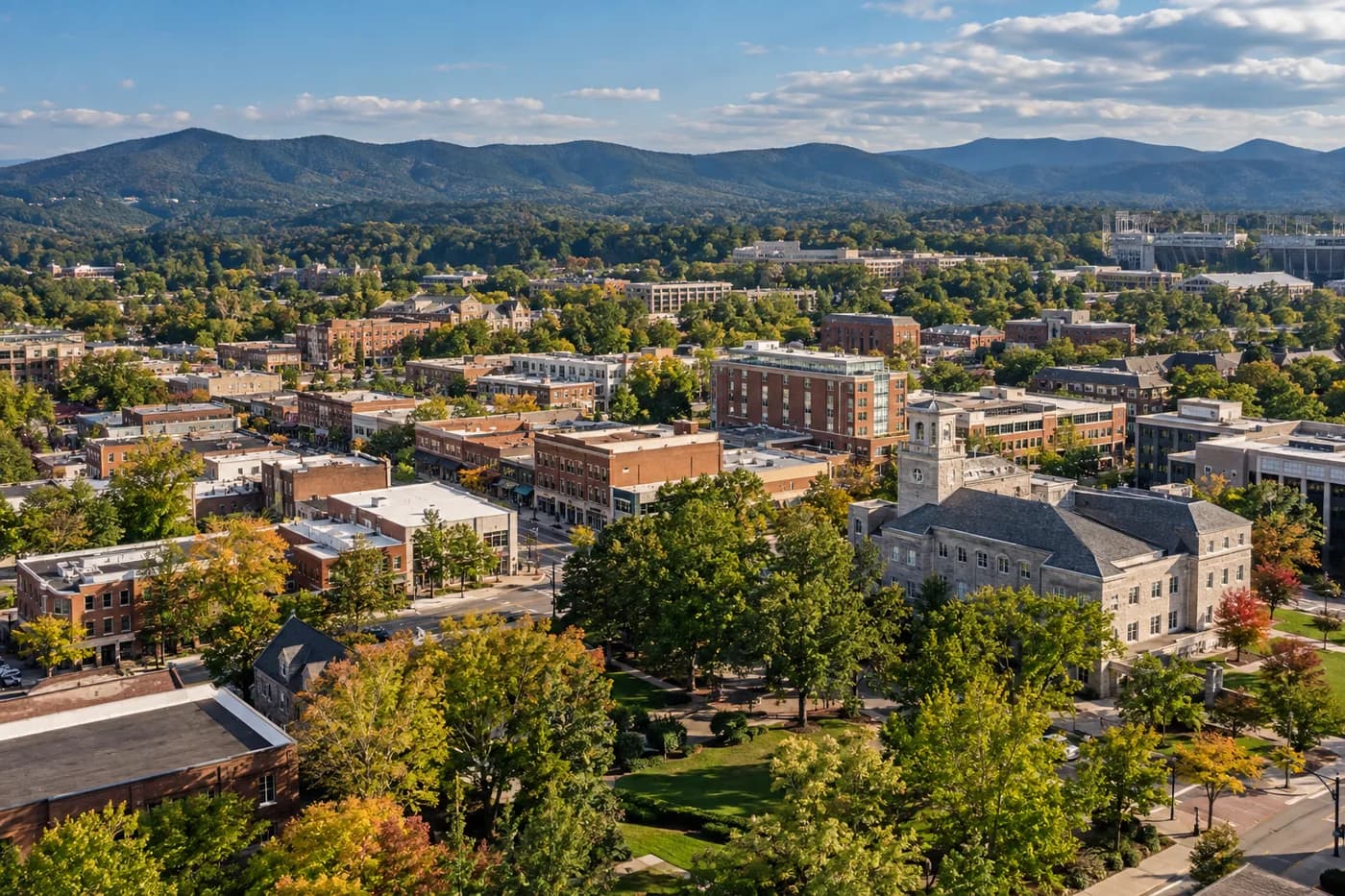
Humid Subtropical · suburban setting
Read the local guide →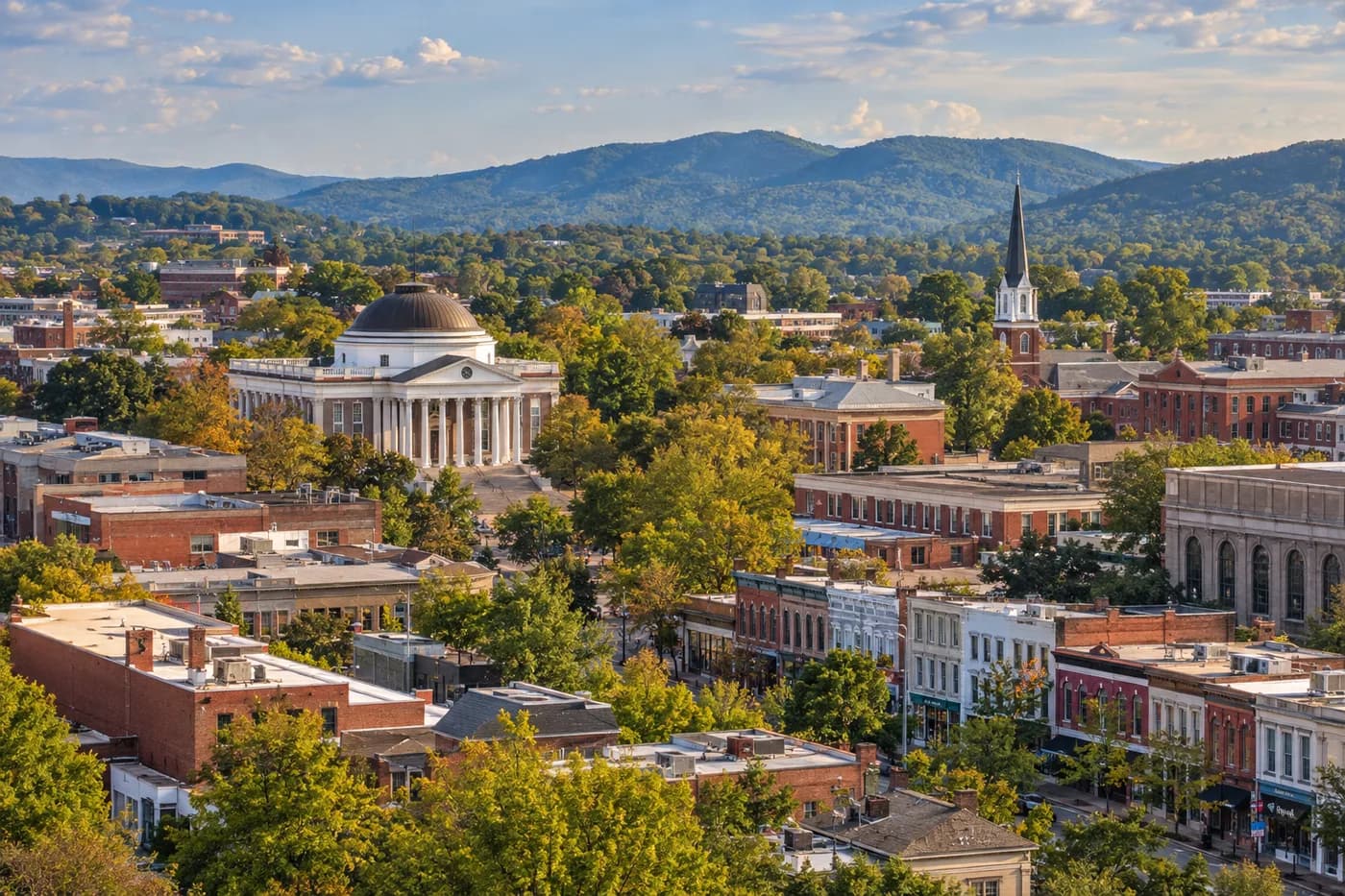
Humid Subtropical · suburban setting
Read the local guide →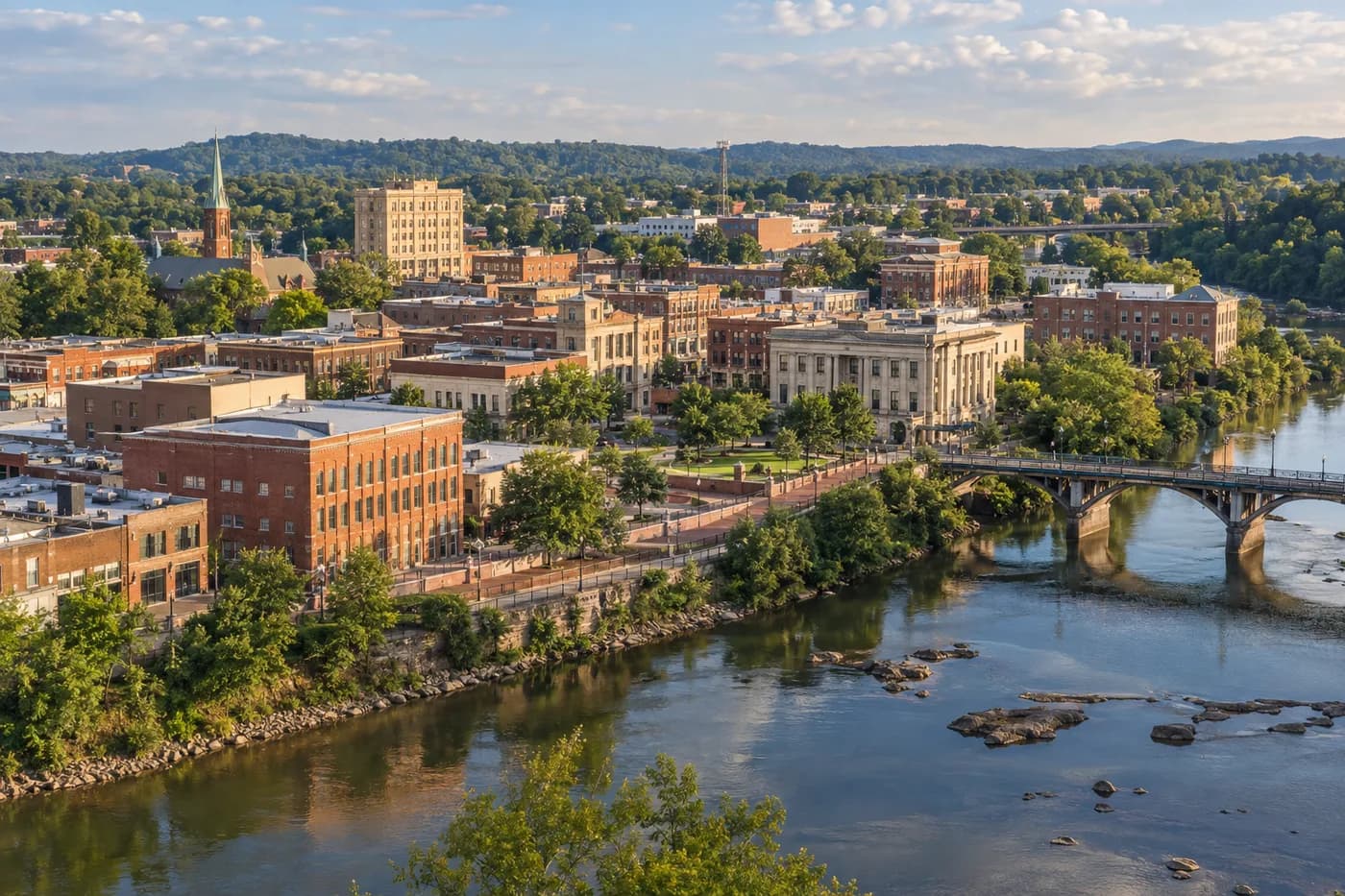
Humid Subtropical · suburban setting
Read the local guide →
Humid Subtropical · suburban setting
Read the local guide →
Humid Subtropical · suburban setting
Read the local guide →
Humid Subtropical · suburban setting
Read the local guide →
Humid Subtropical · suburban setting
Read the local guide →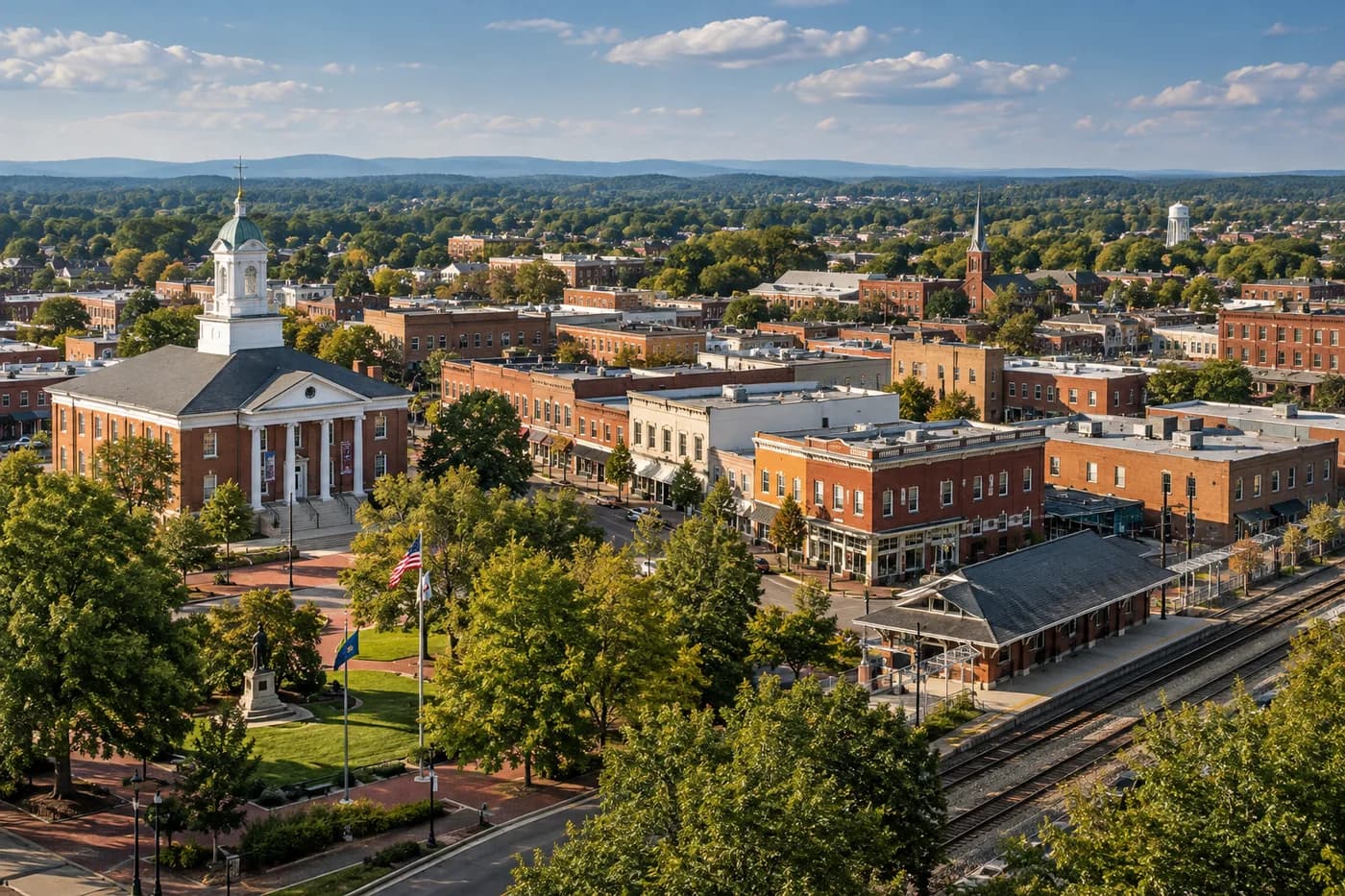
Humid Subtropical · suburban setting
Read the local guide →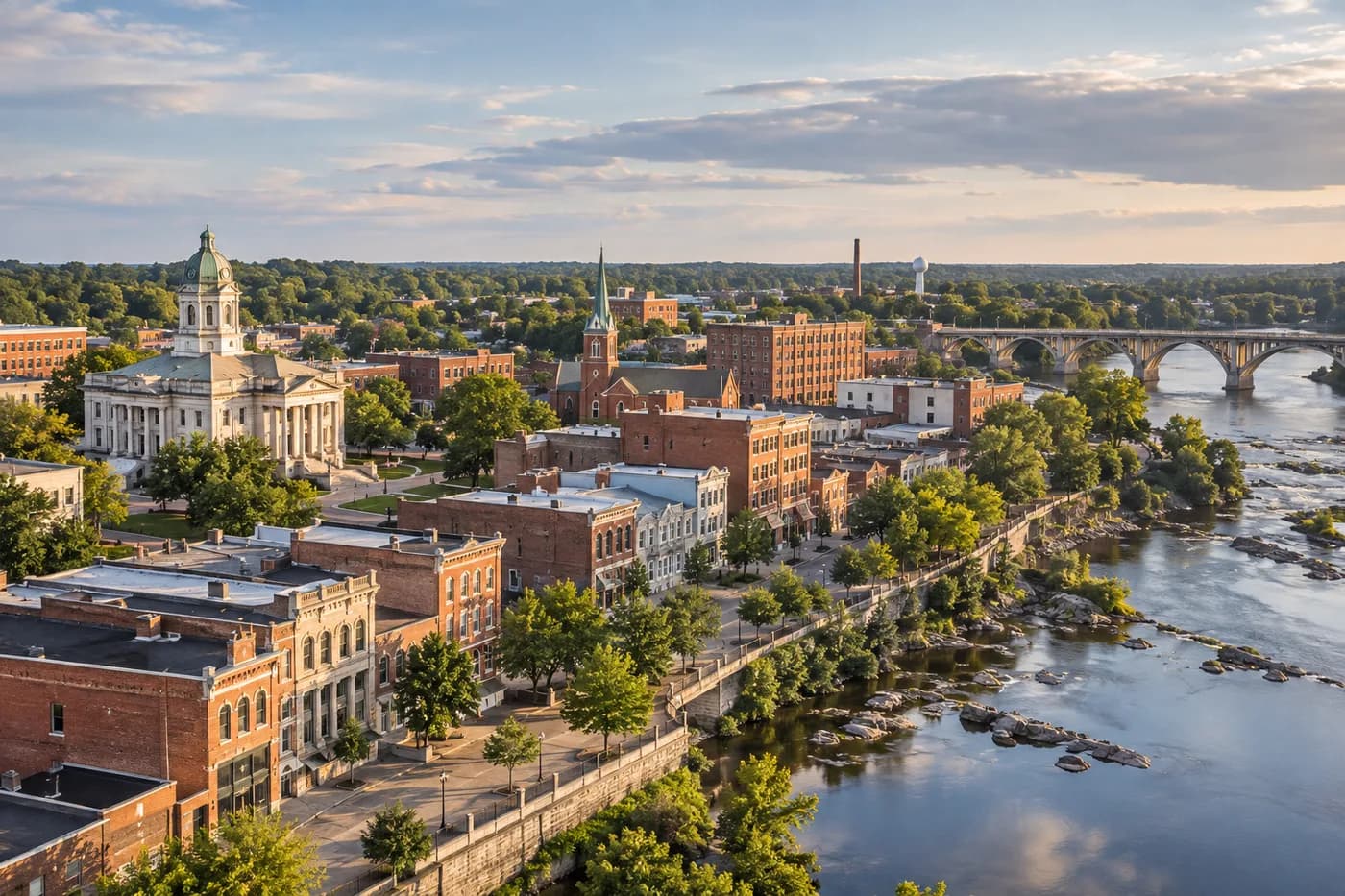
Humid Subtropical · suburban setting
Read the local guide →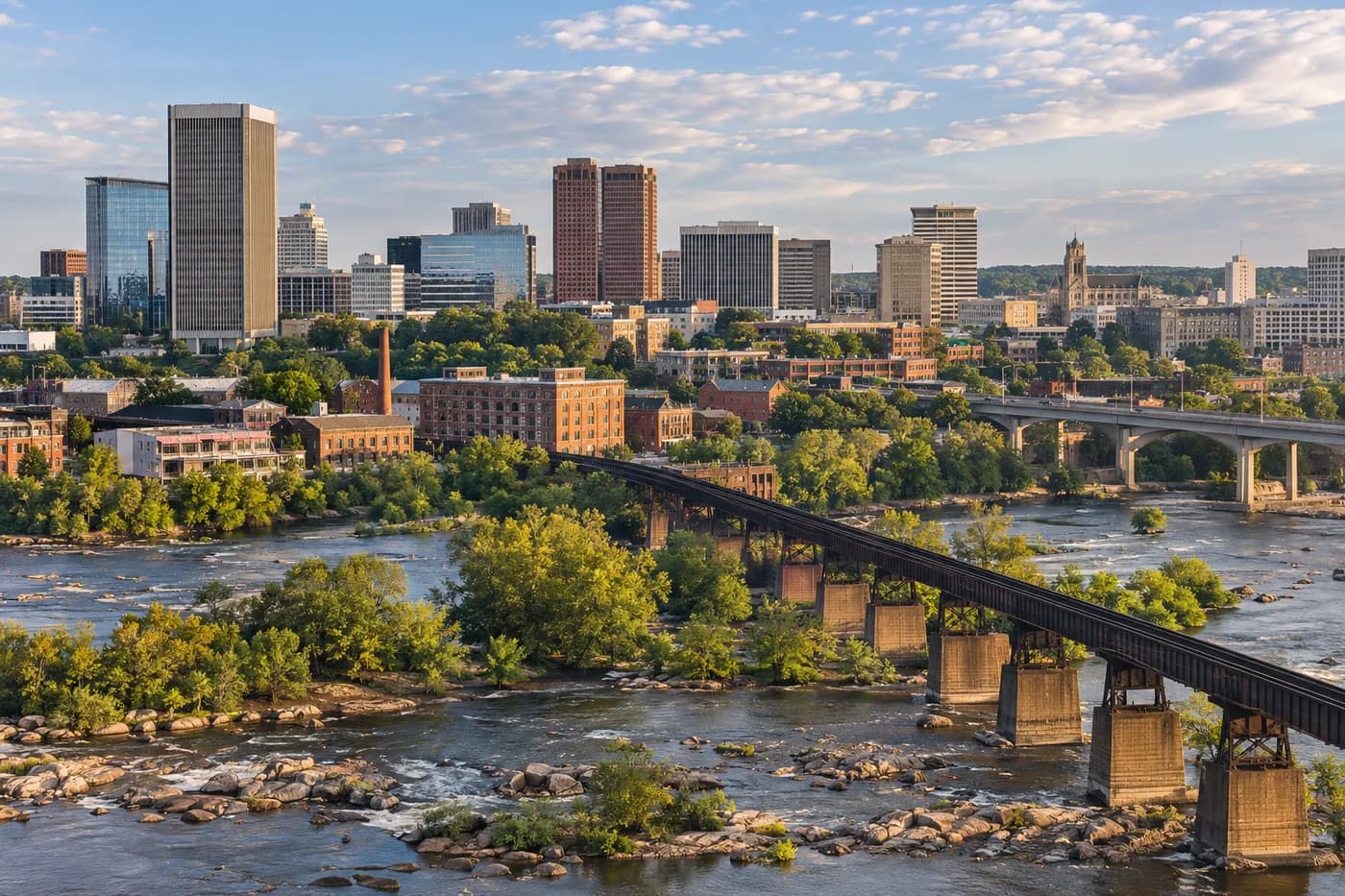
Humid Subtropical · urban setting
Read the local guide →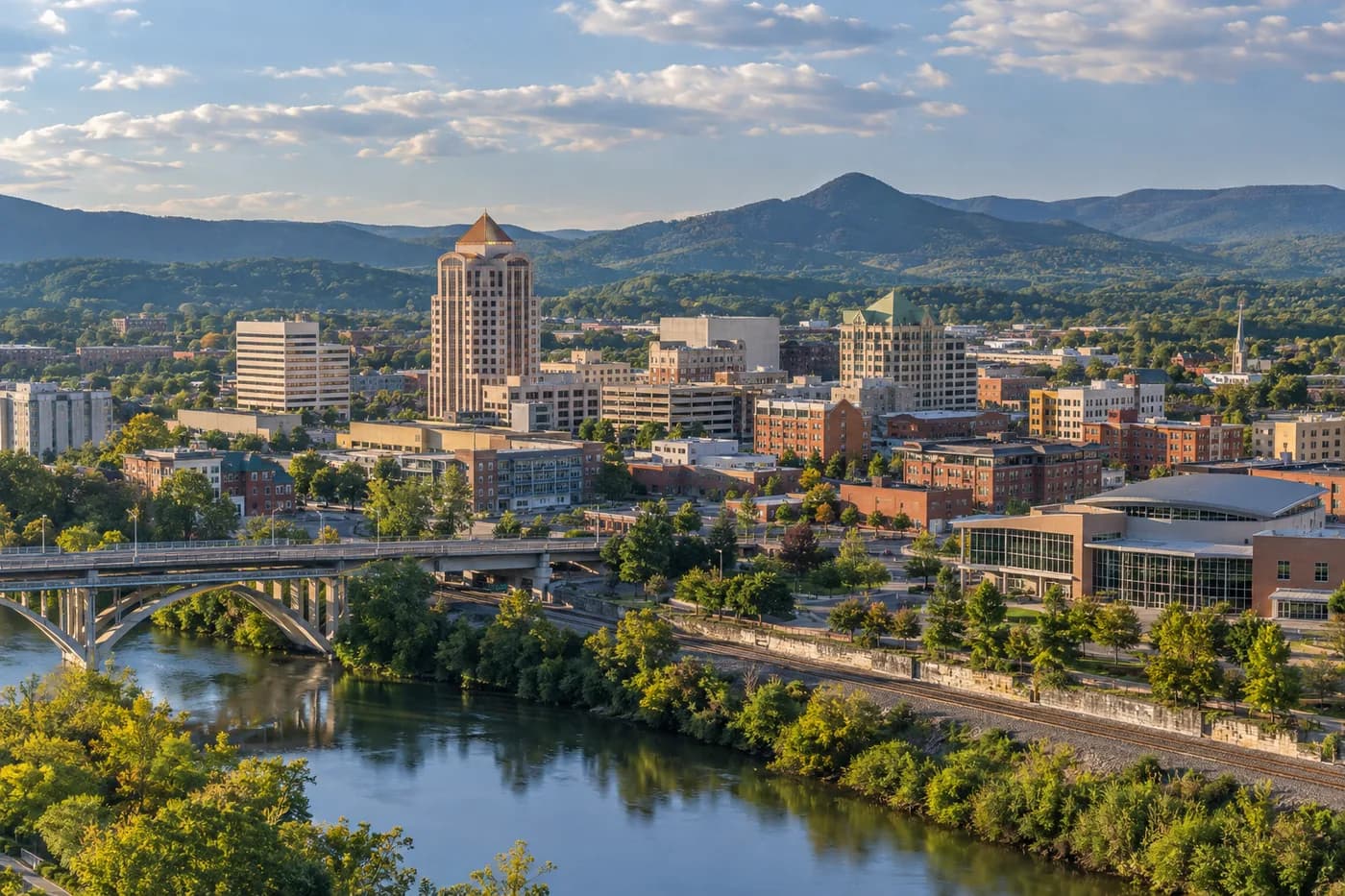
Humid Subtropical · urban setting
Read the local guide →
Humid Subtropical · suburban setting
Read the local guide →