Around Kansas
Conditions vary across the state. Choose your city below, then describe what’s happening around your home or business.
Local gopher information
Learn what to look for around your property, explore your city, and ask about an inspection or a quote.
Conditions vary across the state. Choose your city below, then describe what’s happening around your home or business.
Where you see gophers, how long it has been going on, and anything you’ve already tried are the most useful details to mention.
Ask about an inspection, what treatment would involve, and whether follow-up visits are included. You don’t need to identify the problem yourself before getting in touch.
Before you compare quotes, it helps to know which gophers actually live in Kansas, when they are busiest, and what the state figures look like. Everything below links to the agency or university page it came from.
The southeastern quarter of Kansas has no plains pocket gopher; mounds there are usually something else.
K-State Research and Extension, Kansas State UniversityGophers on just 10% of an alfalfa field can cut field productivity 2 to 5%.
K-State Research and Extension, Kansas State UniversityOne gopher brings about 2 1/4 tons of soil to the surface a year and can build 1 to 3 mounds a day.
K-State Research and Extension, Kansas State UniversityMound building is greatest in spring and fall; the plains pocket gopher breeds February to April.
Rotating alfalfa to annual grain removes the root food supply; 50-foot grain buffer strips slow immigration.
Sources: K-State Research and Extension, Kansas State University; Pocket Gophers; UC IPM (University of California Agriculture and Natural Resources). Figures are quoted as the source prints them. How we check our sources
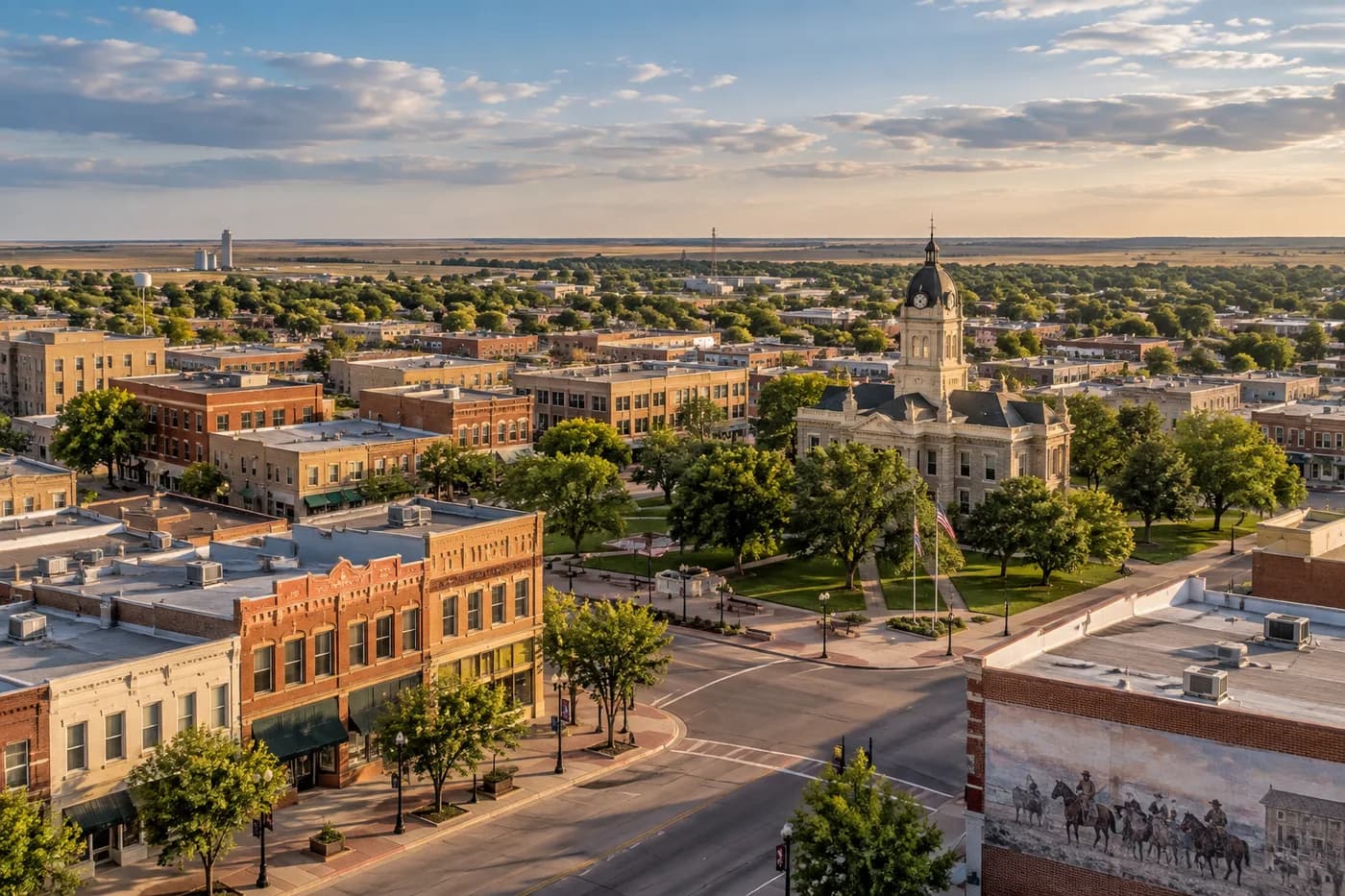
Semi-Arid · rural setting
Read the local guide →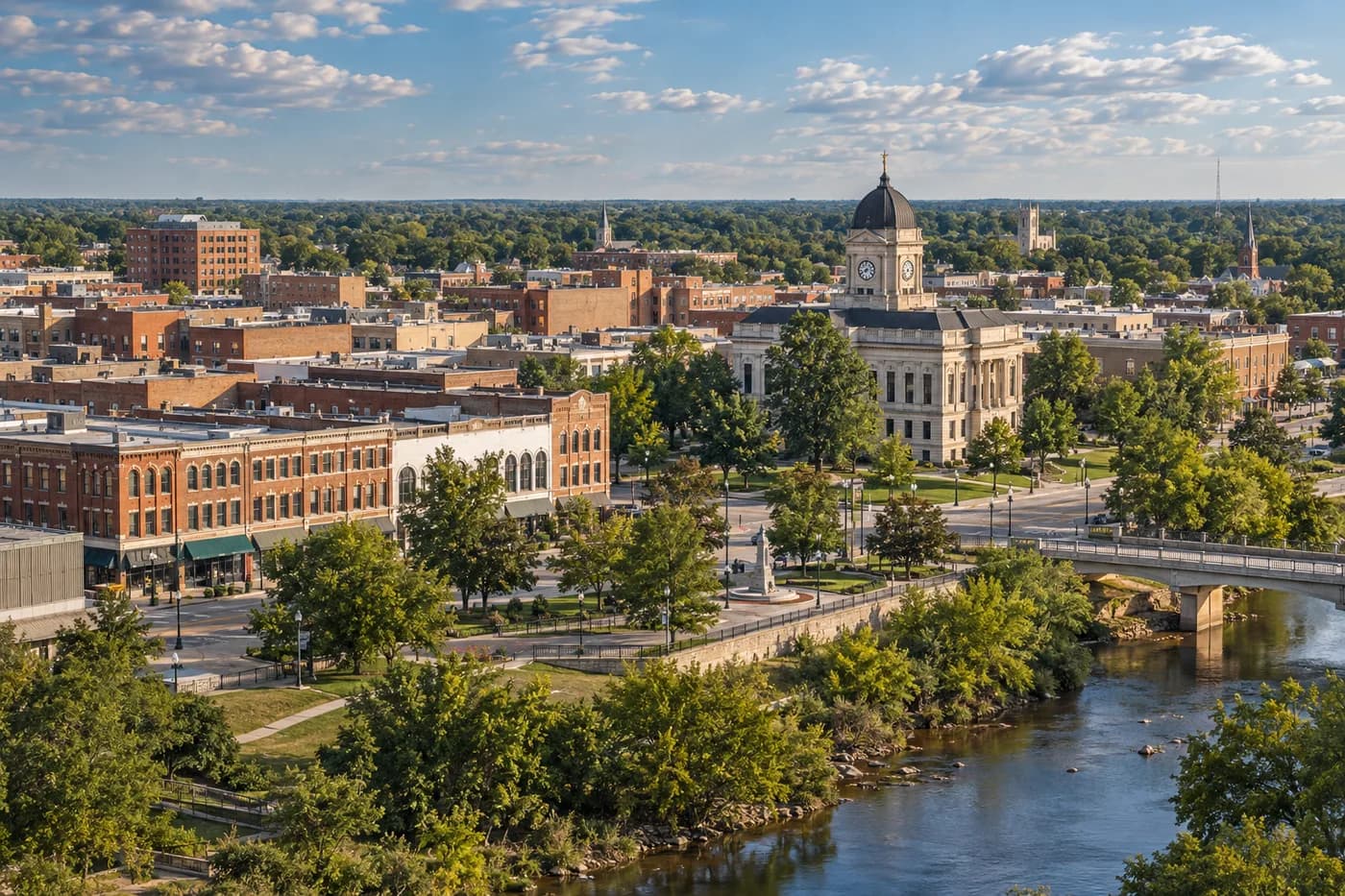
Humid Continental · rural setting
Read the local guide →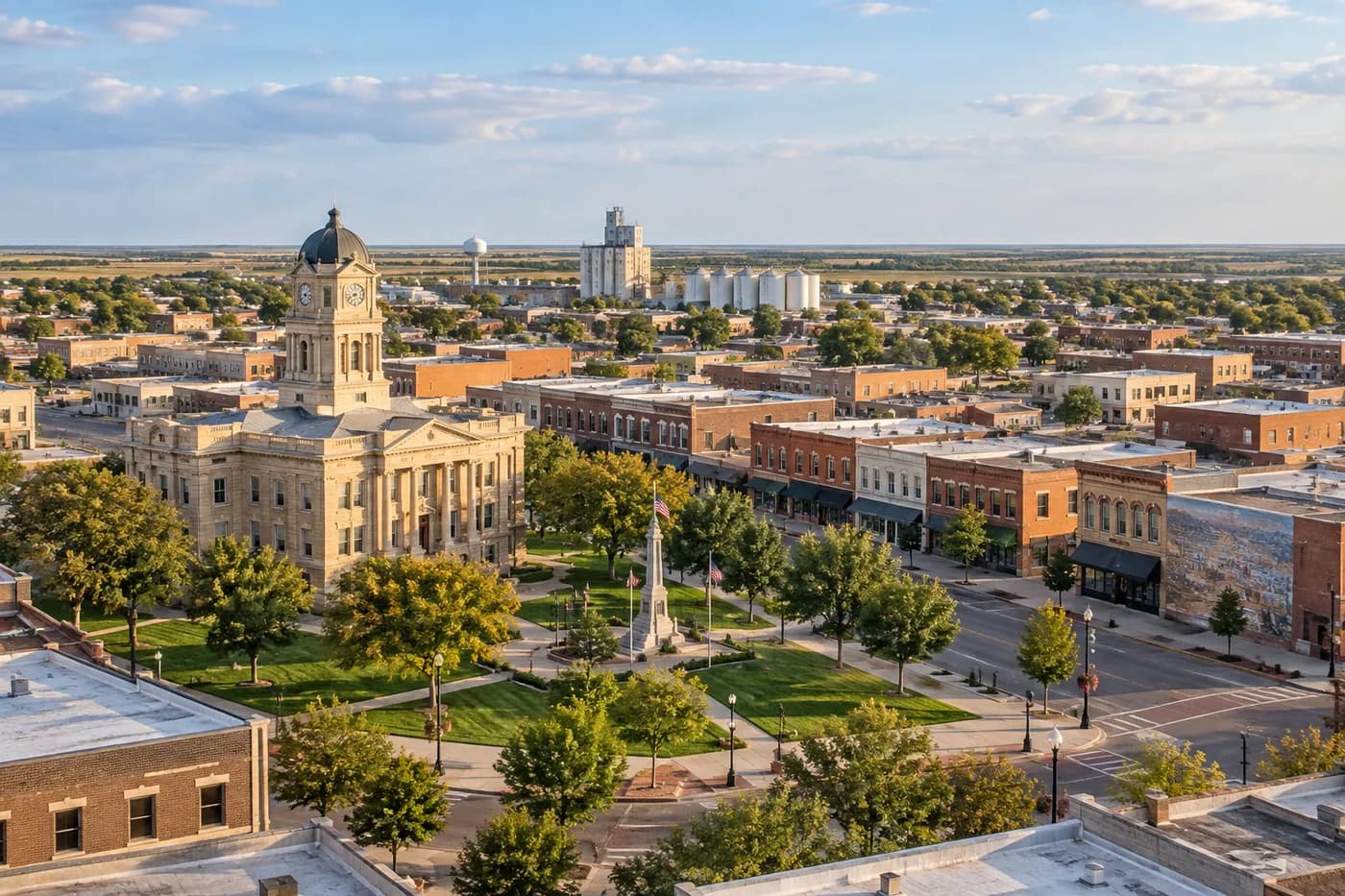
Semi-Arid · rural setting
Read the local guide →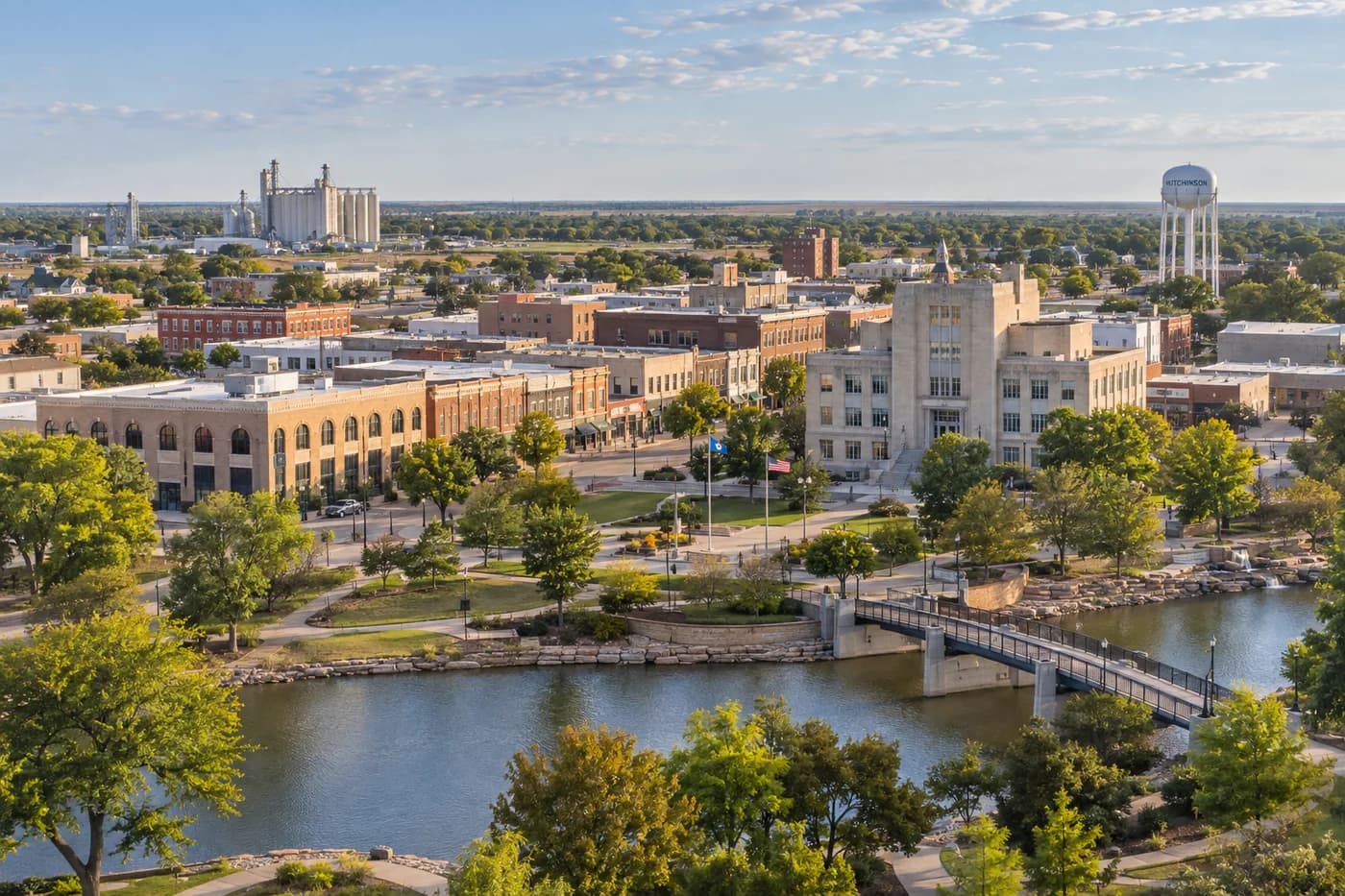
Humid Continental · suburban setting
Read the local guide →
Humid Continental · urban setting
Read the local guide →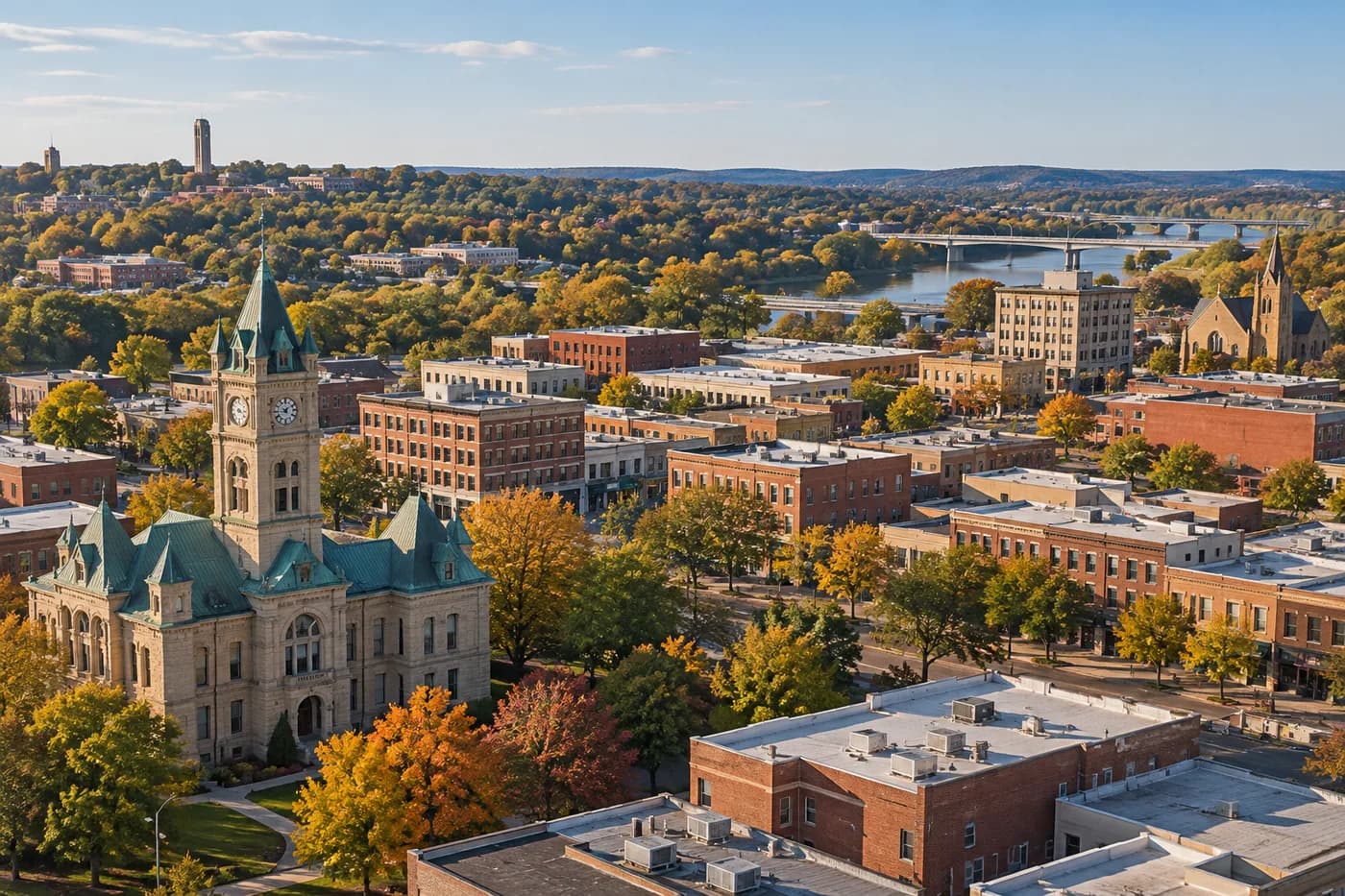
Humid Continental · urban setting
Read the local guide →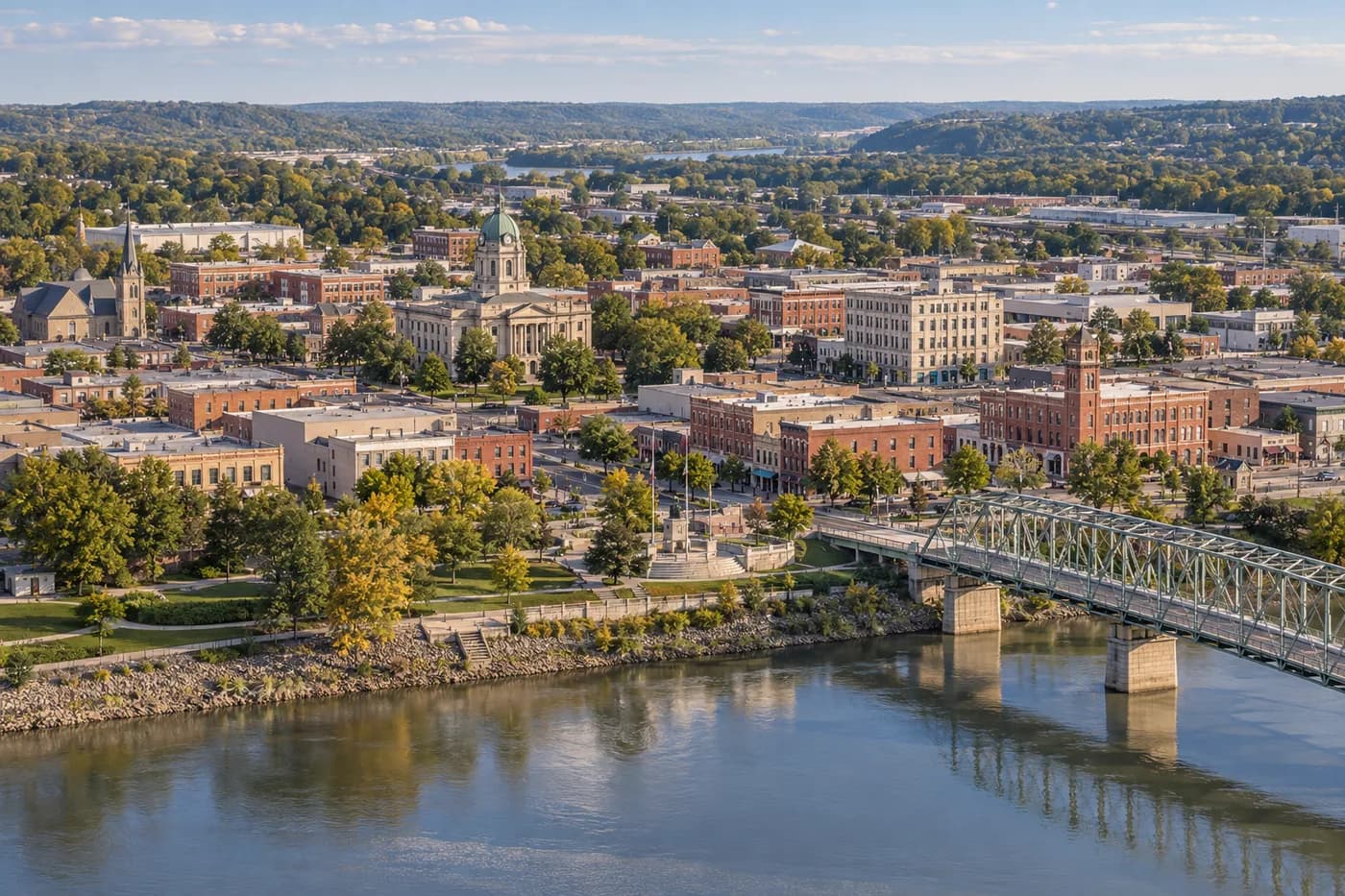
Humid Continental · suburban setting
Read the local guide →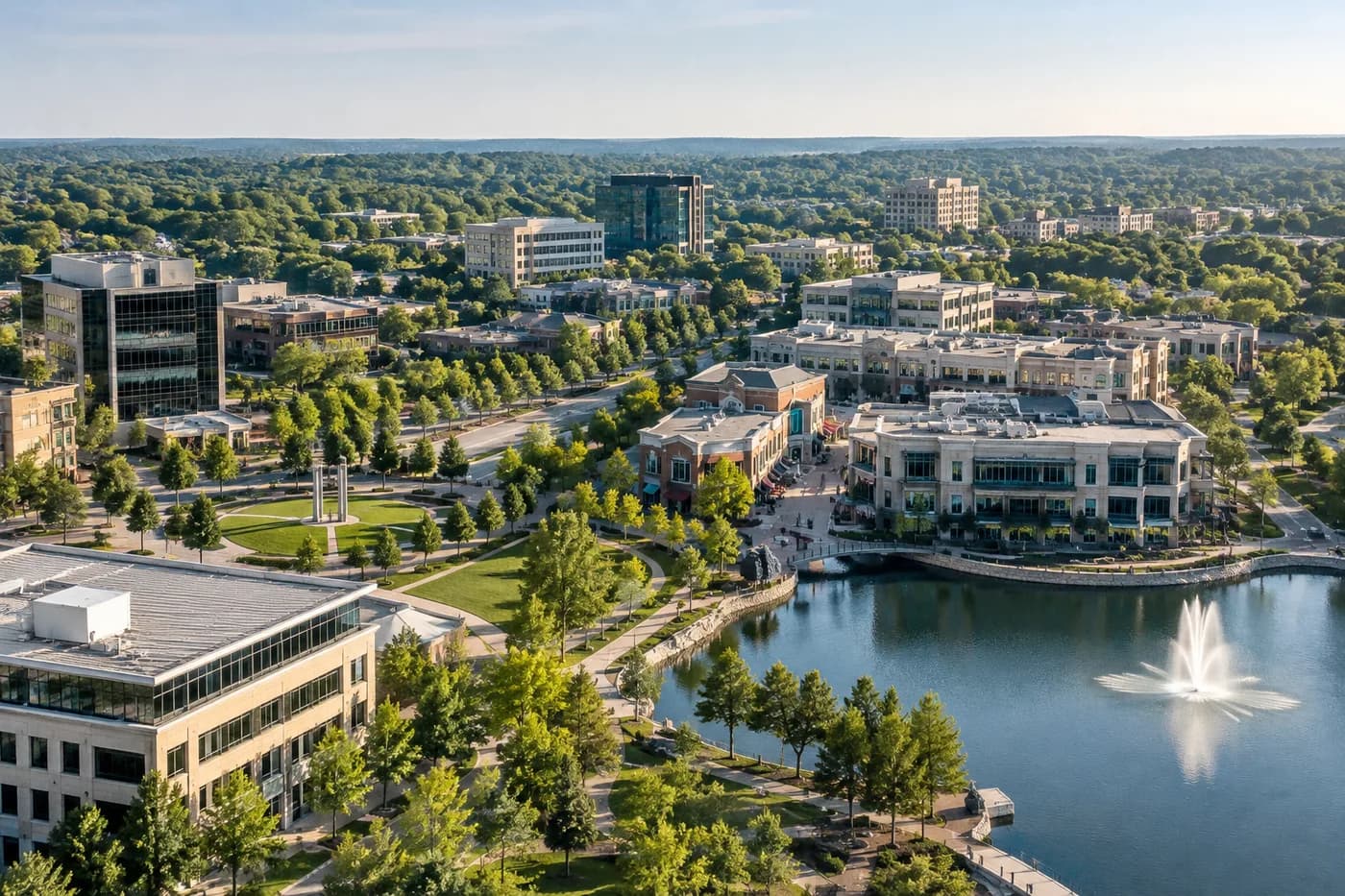
Humid Continental · suburban setting
Read the local guide →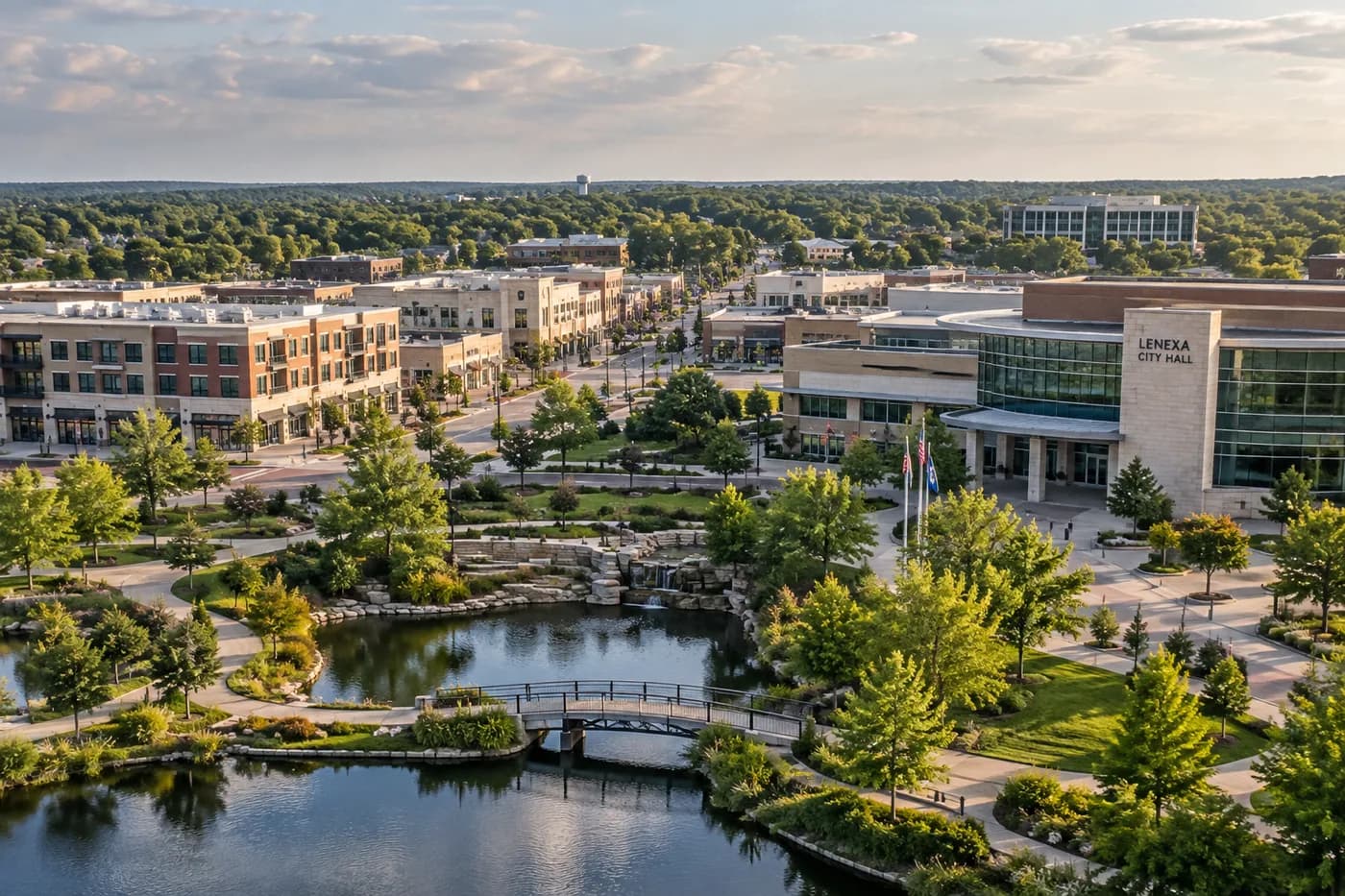
Humid Continental · suburban setting
Read the local guide →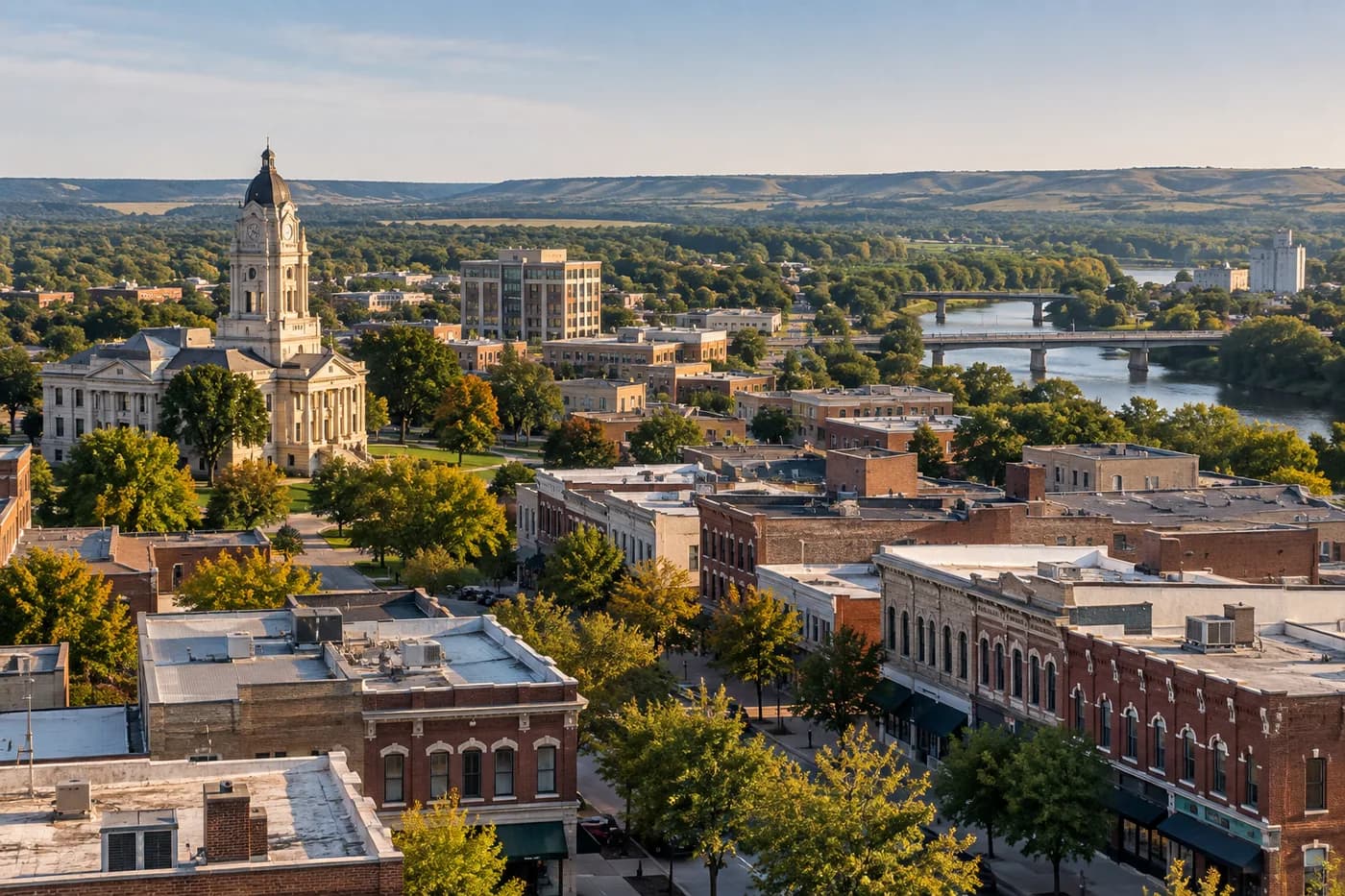
Humid Continental · suburban setting
Read the local guide →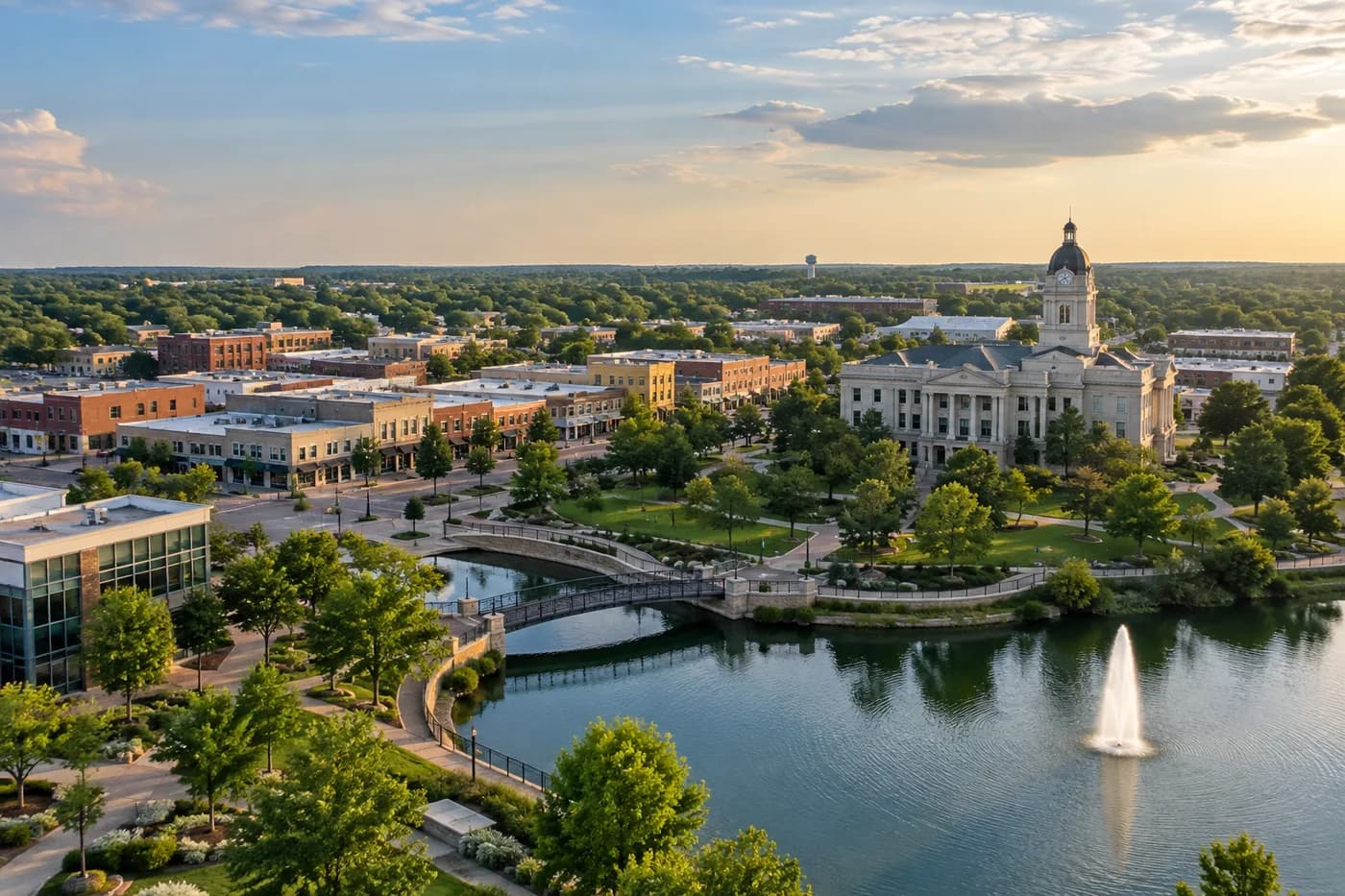
Humid Continental · suburban setting
Read the local guide →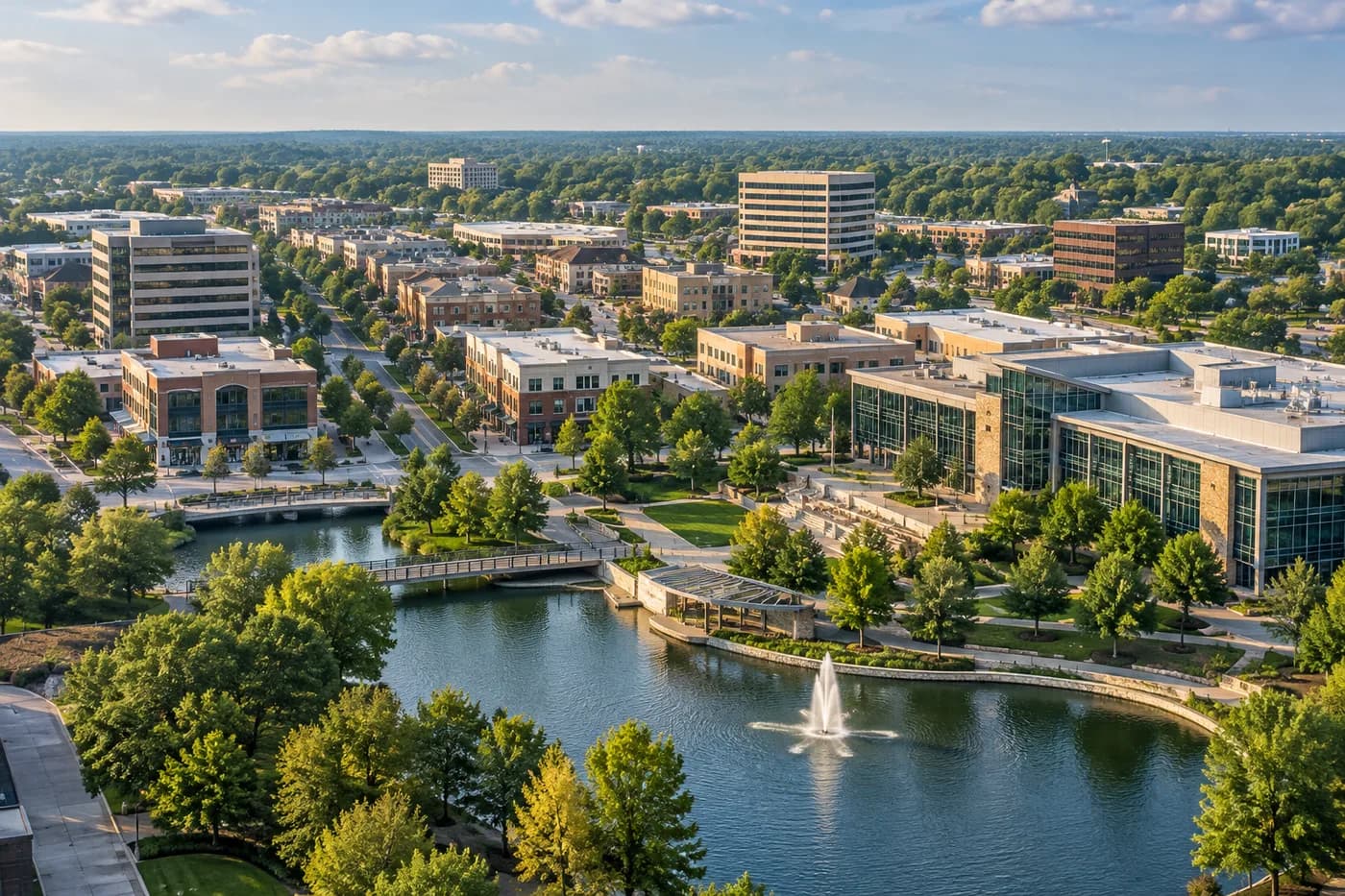
Humid Continental · urban setting
Read the local guide →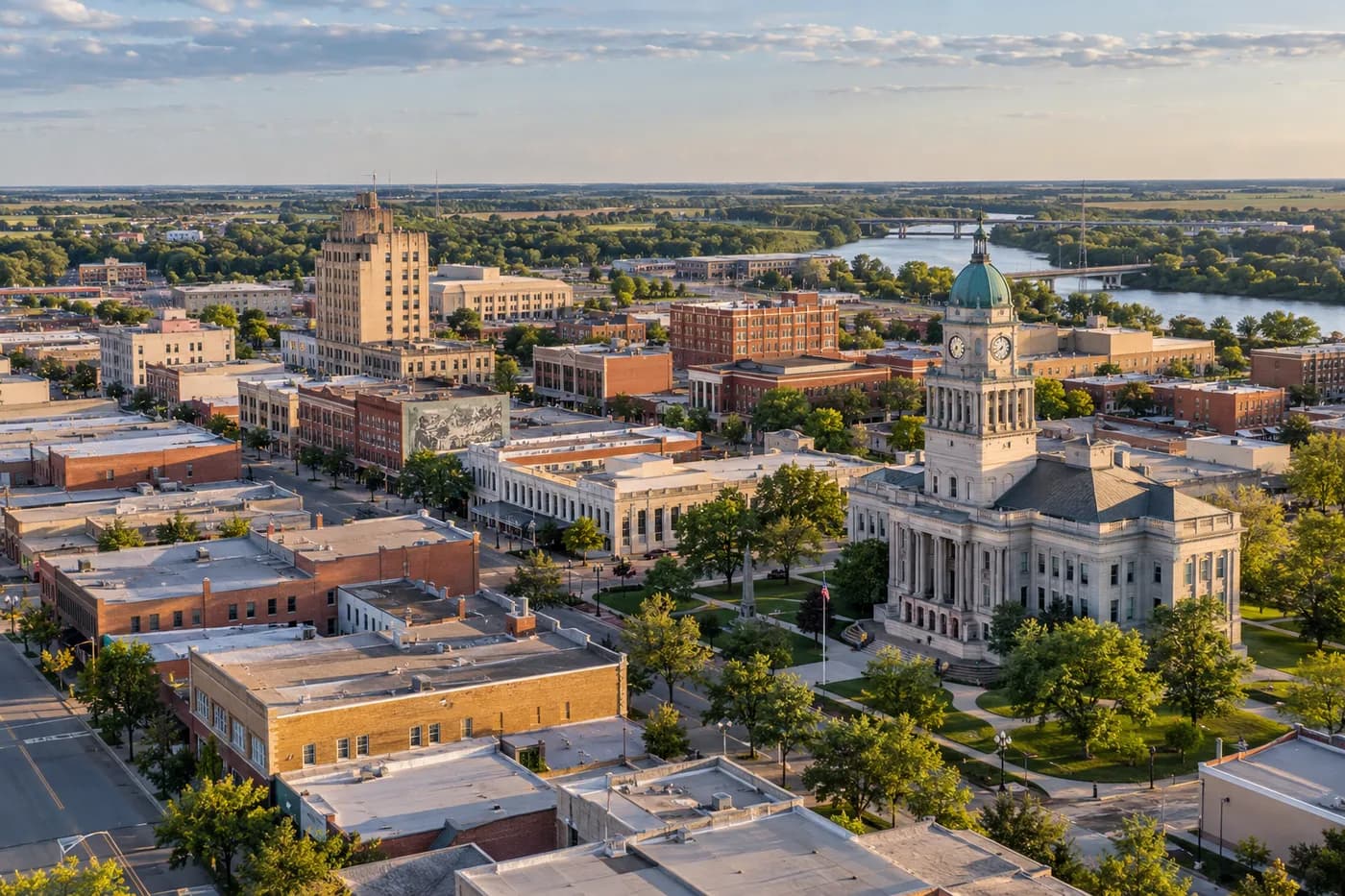
Humid Continental · suburban setting
Read the local guide →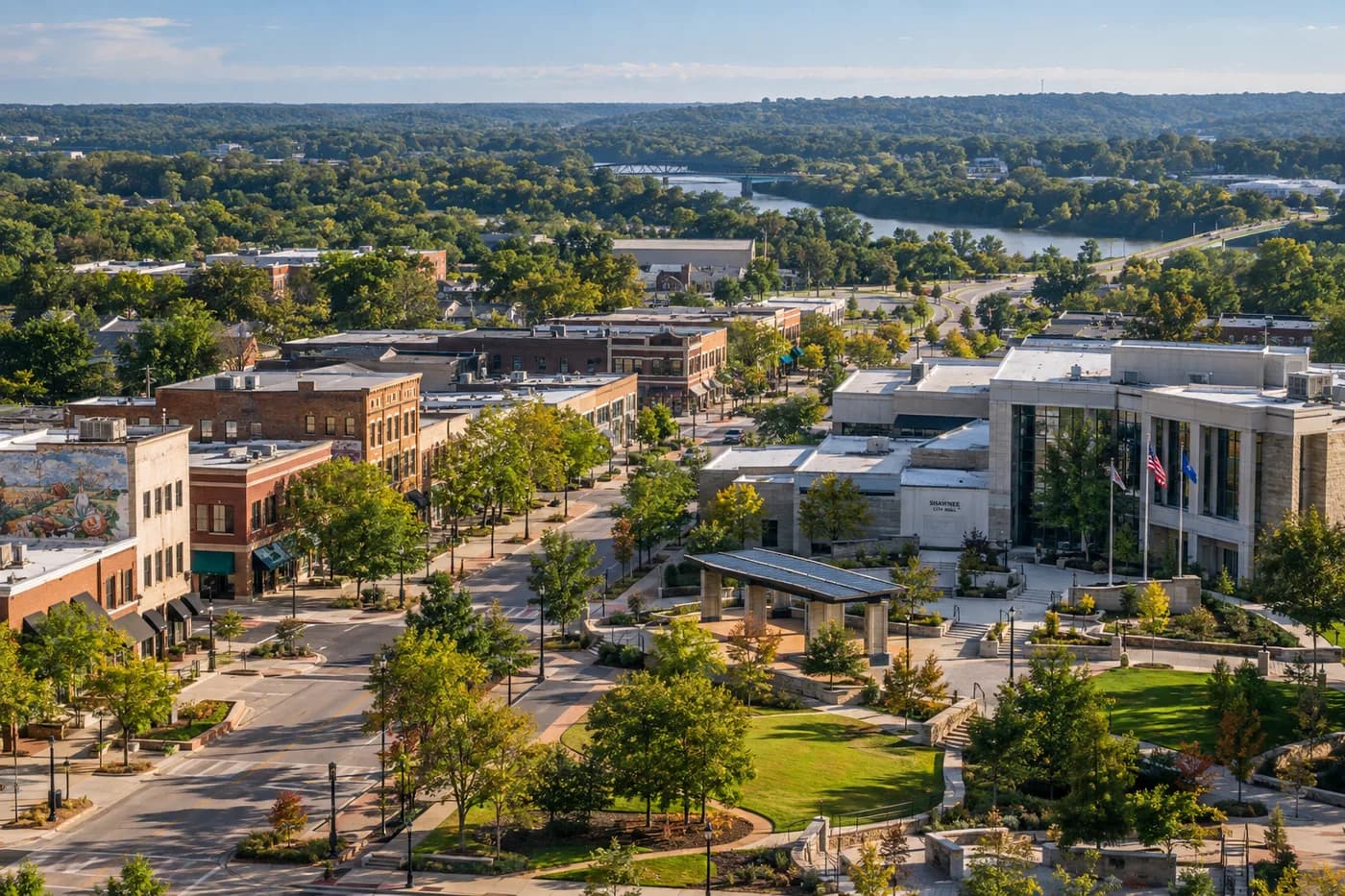
Humid Continental · suburban setting
Read the local guide →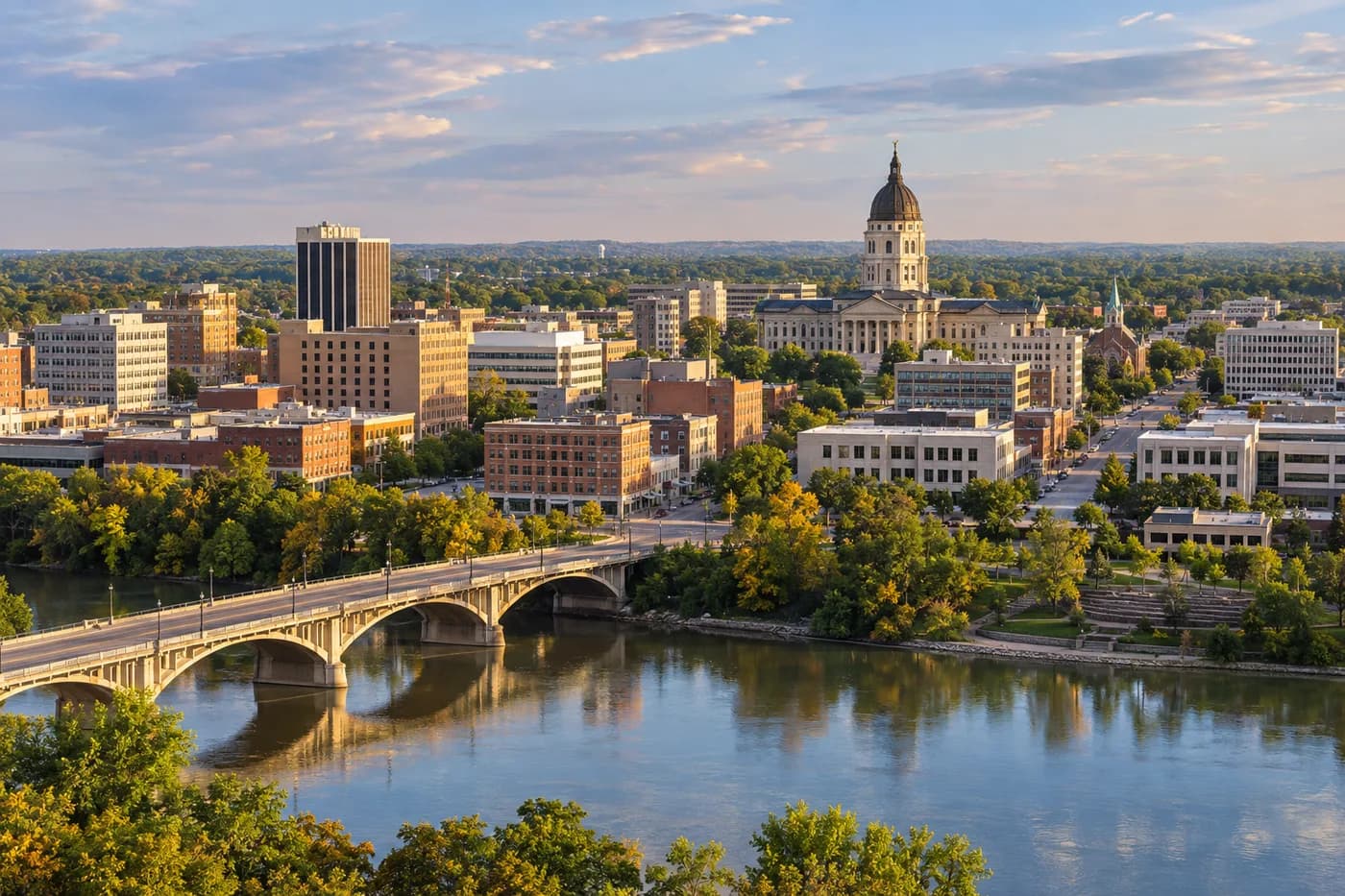
Humid Continental · urban setting
Read the local guide →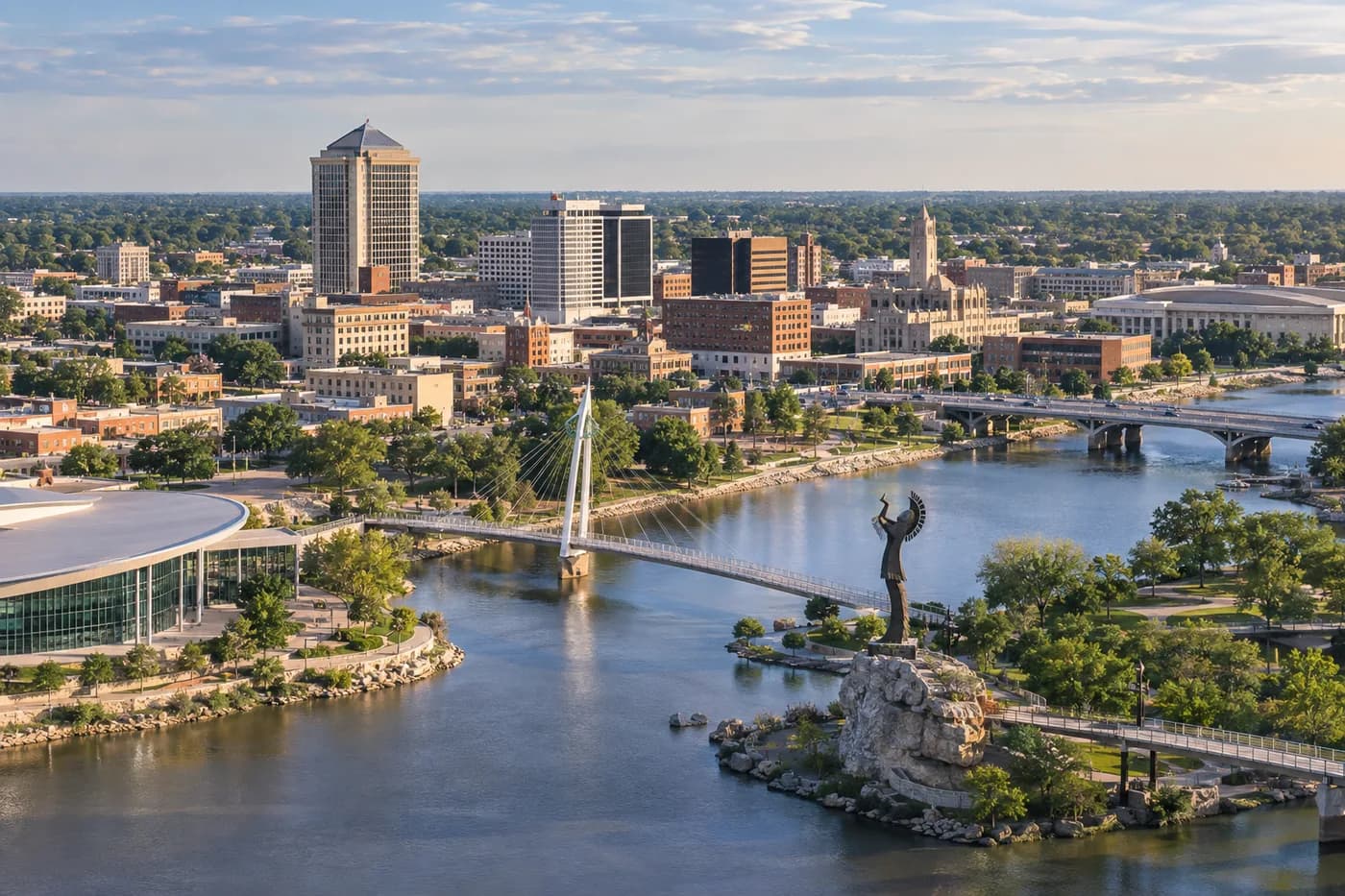
Humid Continental · urban setting
Read the local guide →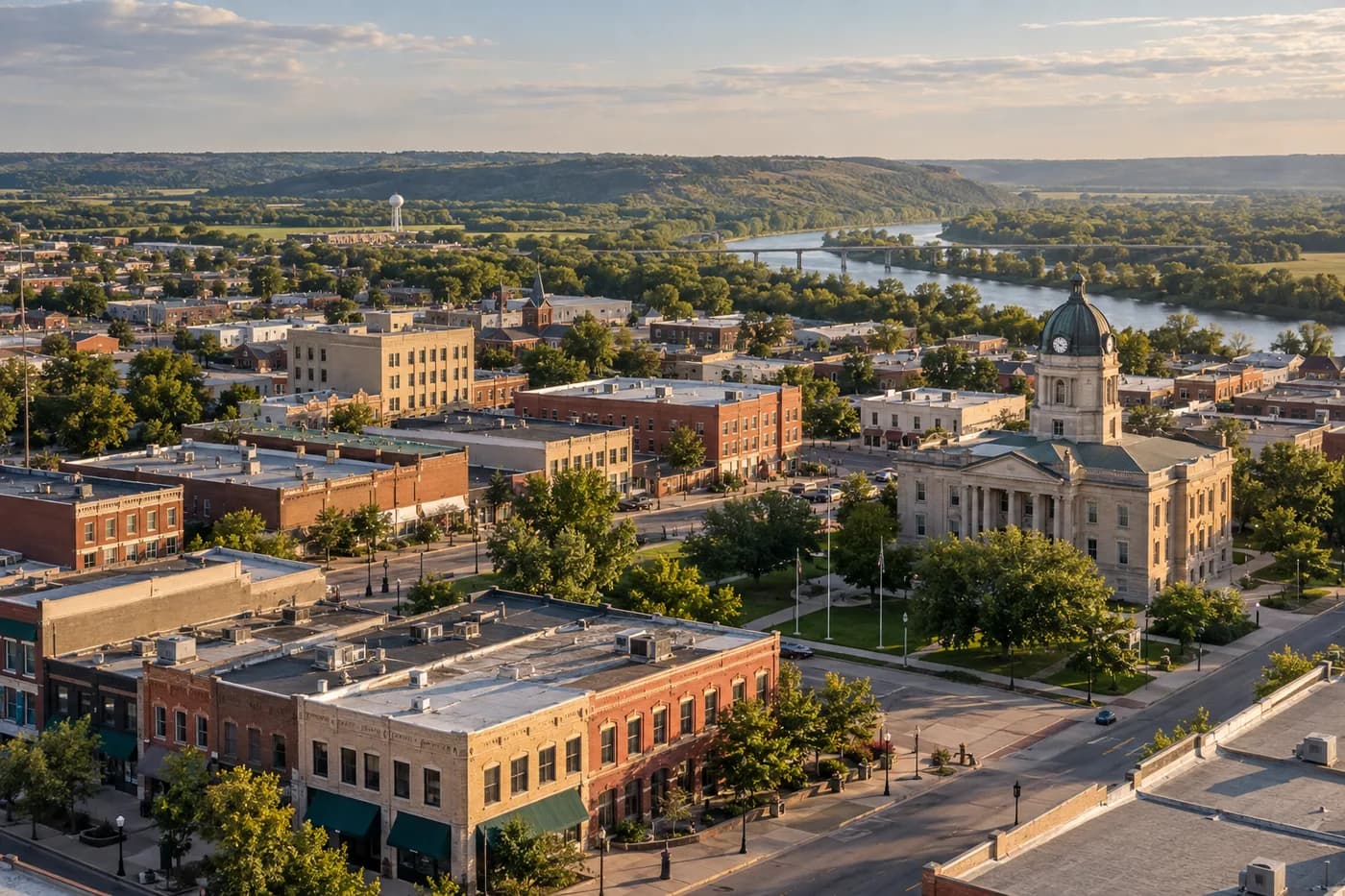
Humid Continental · rural setting
Read the local guide →