The short version
Around Grand Junction, the digger is usually the northern pocket gopher. Trapping or baiting jobs often cost a few hundred dollars.
- Many gopher jobs in Grand Junction cost a few hundred dollars.
- Trapping in the main tunnel works best.
- Repellents and stakes rarely help.
- Big properties cost more.
- Compare what each quote includes.
Homeowners and gardeners in Grand Junction with mounds or tunnels in the yard.
What to look for
Gophers eat roots, bulbs and plants from below. They push up fan-shaped mounds as they dig. One gopher can ruin a garden bed in a few days.
- 1Fan-shaped dirt mounds.
- 2A plugged hole off to one side of the mound.
- 3Plants wilting or pulled underground.
- 4Chewed irrigation lines.
- 5Soft, sinking soil.
- 6Fresh mounds after rain or watering.
Why it’s worth acting soon
- Roots, bulbs and young trees get eaten.
- Irrigation lines get chewed.
- Mounds dull mower blades.
- More gophers move into empty tunnels.
🧮
Estimate gopher control cost in Grand Junction
Adjust for your situation to see a ballpark range.
Estimated range
A rough guide only. Large lots and repeat visits cost more.
Treatment options and typical costs
Activity Mapping and Tunnel Probing
$75–$200
Control starts with a walk of the whole Grand Junction property to flag fresh mounds and probe for the main runway that feeds them. Weathered mounds get ignored; fresh, moist soil marks live tunnels.
- Time
- 45–90 minutes
- Best for
- Every job; separates fresh activity from old, abandoned mounds
Exclusion and Follow-Up Monitoring
$200–$1,500 depending on scope
Properties in Grand Junction that border pastures, canals, parks, or vacant lots tend to get recolonized within a season. A scheduled plan is often cheaper than repeated one-off calls.
- Time
- Half a day for barriers; monitoring visits 20–40 minutes
- Best for
- Gardens, raised beds, young trees, and properties near open fields
Trapping in Active Tunnels
$150–$450 per visit series
Set correctly in a main tunnel, traps often catch within days. Set in a lateral or old tunnel, they sit empty, which is why Grand Junction pros spend so much time probing first.
- Time
- 2–5 visits over 1–2 weeks
- Best for
- Small yards, gardens, homes with pets, and anyone avoiding poison
Burrow Fumigation
$200–$600 per treatment
Aluminum phosphide fumigants are restricted-use everywhere and require certified applicators. Gas cartridges are sold to homeowners in many areas. Local limits vary.
- Time
- 1–2 hours, with re-entry restrictions
- Best for
- Heavy activity on large lots, away from structures, where legal
Prices are typical published ranges. Ask what’s included before you compare quotes.
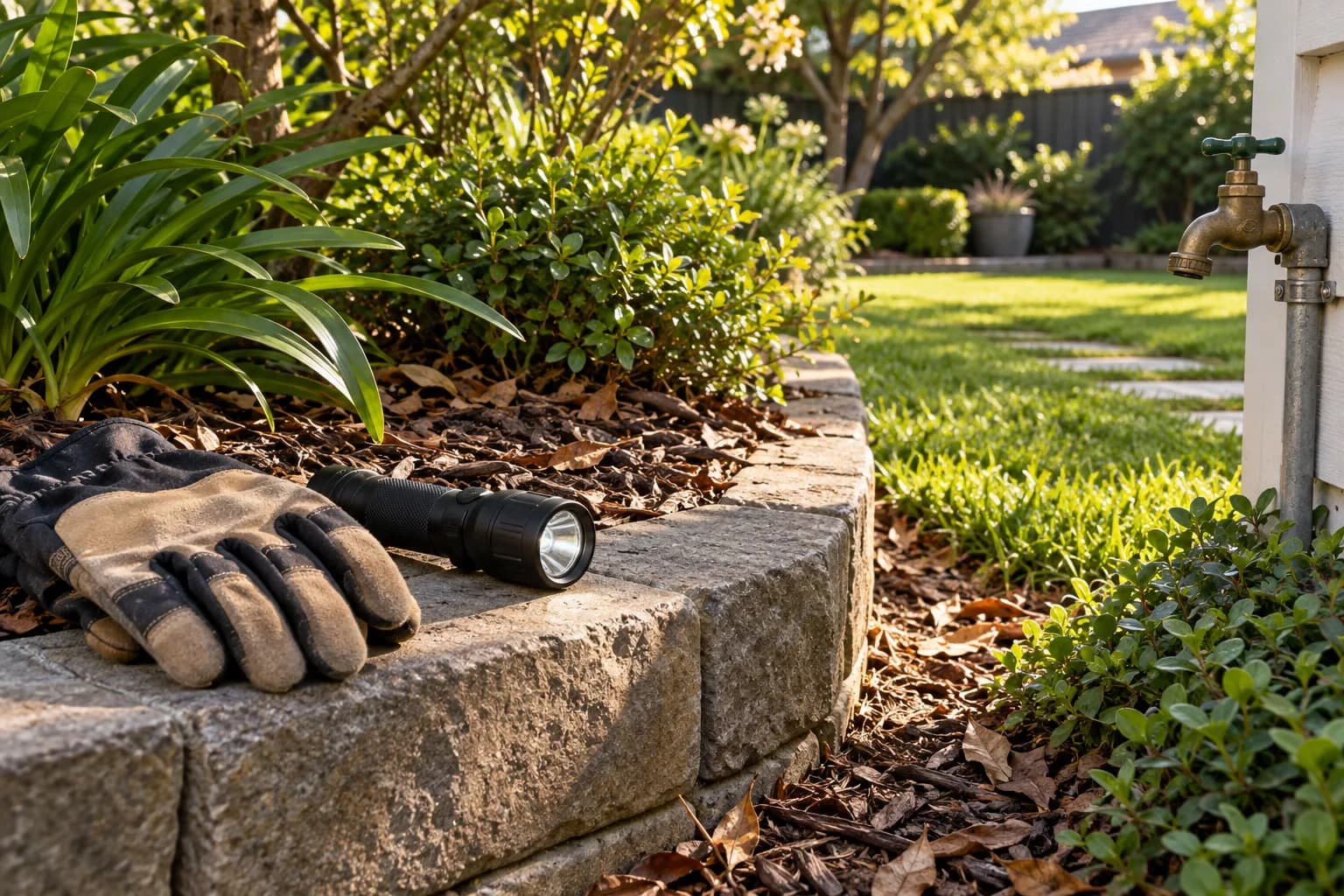 Hardware cloth under raised beds keeps gophers away from the plants you care about.
What gopher control costs in Grand Junction.
- Trapping in Active Tunnels: $150–$450 per visit series - Exclusion and Follow-Up Monitoring: $200–$1,500 depending on scope - Activity Mapping and Tunnel Probing: $75–$200 - A typical home in Grand Junction is worth around $380k, and protecting the yard is part of that. - Burrow Fumigation: $200–$600 per treatment
Which gophers live around Grand Junction.
They live alone, so a yard usually has one or two. Pocket gophers are stocky, with cheek pouches and long claws. Voles may also be at work; they leave surface runways.
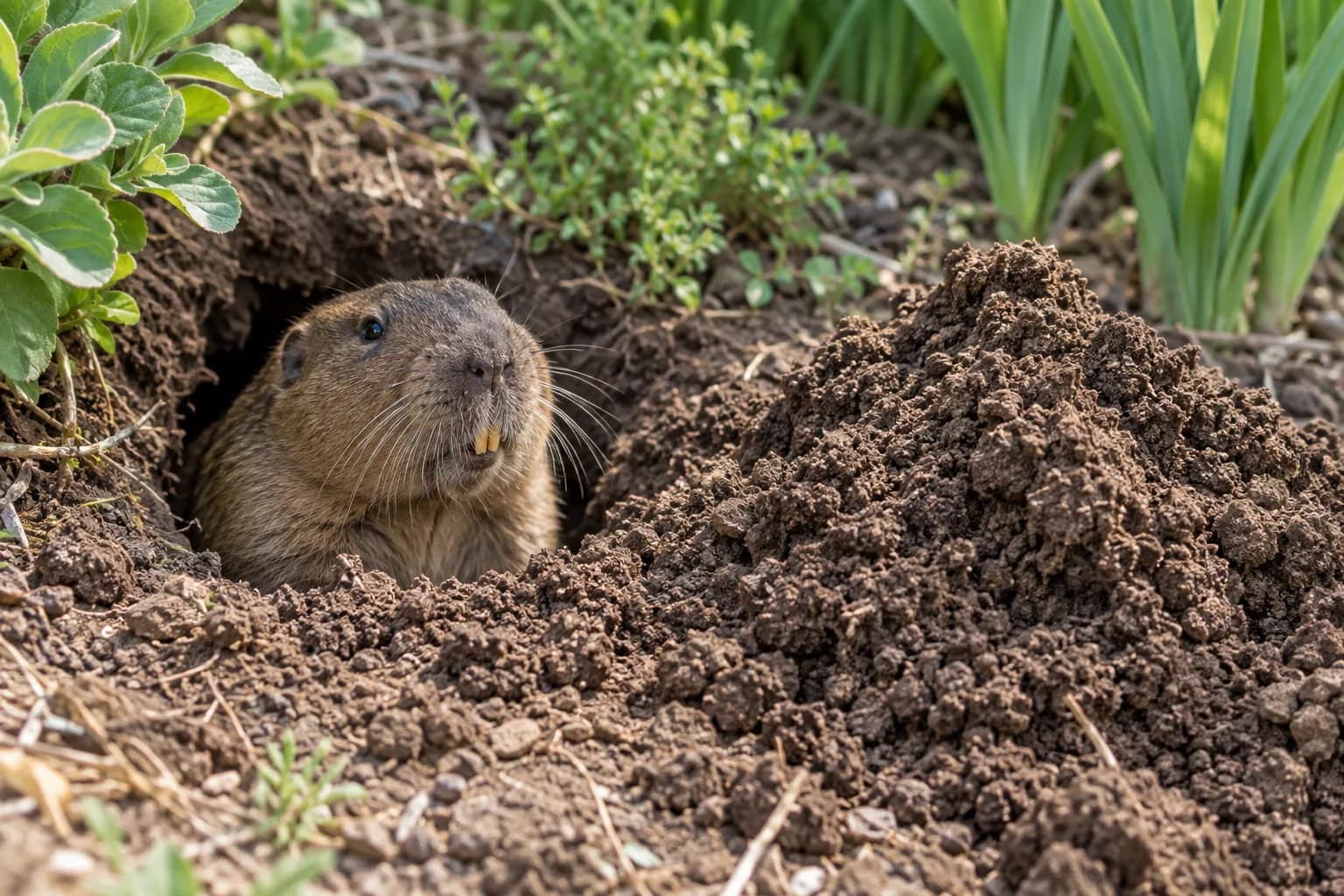 Pocket gophers are stocky, with cheek pouches and long front claws. Each one lives alone.
When they dig.
Frozen ground slows surface work in winter. Digging peaks in spring and fall, when soil is moist. Summer heat and dry soil push activity deeper.
Finding the main tunnel.
Probe a foot or two back to find the main tunnel. That's where traps belong. Around Grand Junction, check gardens and lawn edges first. Find a fresh, fan-shaped mound. The plugged hole is on the open side of the fan.
A year of digging in Grand Junction.
- Fall: a second peak before winter. - Summer: highs near 93°F in Grand Junction push activity deeper. - Spring: peak digging as soil warms and stays moist. - Winter: lows near 18°F in Grand Junction. Surface work slows.
Gopher, mole or vole?
- Vole: surface runways and chewed plant stems. - Mole: round mounds and raised ridges. - Gopher: fan-shaped mounds, plugged hole to one side. - Chipmunk: neat holes, no dirt pile.
Protecting gardens and trees.
- Bulbs: use small wire cages. - Trees: plant in wire root baskets. - Raised beds: line the bottom with hardware cloth. - Drip lines: check for chew marks each spring.
What works, and what doesn’t.
- Rarely: sonic stakes, gum, castor oil or flooding. - Sometimes: labeled baits placed deep in tunnels. - Works: traps in the main tunnel. - Rarely: plants said to repel gophers.
How gopher traps are set.
- Cover: block light with a board or sod. - Set: place a trap facing each way. - Open: dig down to expose both directions. - Find: probe near a fresh mound for the main tunnel. - Check: look again within a day.
Lawn care that discourages diggers.
Keep weedy edges and tall grass mowed. Water deeply but less often. Healthy turf recovers from digging faster. Pull mulch back from tree trunks.
Fixing the yard afterward.
Rake mounds flat and fill sunken tunnels. Wait until the digging stops. Reseed or patch bare spots in spring or fall. Water to settle the soil.
Irrigation lines and sprinklers.
Check for wet spots or weak spray each spring. Gophers chew drip lines and sprinkler tubing. Fix leaks fast, since damp soil draws more digging. Bury lines a little deeper where you can.
Natural help.
Barn owl boxes can help on bigger properties. Owls, hawks, snakes and foxes all hunt gophers and voles. Traps avoid that risk. Bait can harm pets and wildlife if misused.
Myths about yard diggers.
- Repellent plants: little proof of results. - Sonic stakes: animals get used to them. - Car exhaust or flooding: unsafe and unreliable. - Gum or laxatives: no evidence they work. - Many mounds, many animals: often it’s one.
Signs the problem is over.
- Flattened mounds stay flat. - Plants stop wilting or disappearing. - No fresh mounds for two weeks. - New mounds later? Another one moved in.
Underground wire baskets.
Leave a few inches of wire above the soil. Plant new trees, roses and bulbs in baskets of galvanized wire. Baskets last several years, long enough for roots to get established.
Raised beds that stay safe.
- Edges: run the wire up the inside walls. - Wire: half-inch mesh, not chicken wire. - Base: staple hardware cloth across the bottom. - Soil: fill after the wire is in place.
When a whole street has them.
Clearing your yard alone may only last a season. Diggers move in from vacant lots, fields and neighbors' yards. Talking with neighbors and treating at the same time works better.
Pets, kids and digging.
Choose traps over bait if a dog likes to dig. Keep kids and pets away from traps and bait. Fill old mounds so no one twists an ankle.
Gopher-proofing new landscaping.
Plant shrubs and trees in wire baskets. Lay wire mesh under new sod before it goes down. It costs more up front but saves replanting. Raised beds with mesh bottoms protect vegetables.
Questions to ask before you sign.
- What if another one moves in? - How often will you check? - Which method will you use? - Is it a gopher, mole or vole? - Is it safe around pets?
Ways to keep the cost down.
- Trap early, when there’s just one. - Confirm what’s digging before paying for treatment. - Protect beds and trees with wire.
How to size up the yard damage.
For Grand Junction homes, because each gopher is solitary, a yard with several fresh mounds usually means several animals, each with its own network. For Grand Junction homes, count the active mounds during your walk-through — that number, not a national average, is what should drive a treatment plan. For Grand Junction homes, state wildlife agencies put a single pocket gopher at roughly a ton of soil moved per year, and mounds are the first thing most people notice. For Grand Junction homes, tunnel systems typically run 6 to 12 inches below the surface, with deeper nesting and food-storage chambers.
What affects the price
- Proximity of activity to buildings and hardscape.
- Season, with spring and fall needing more follow-up.
- Travel distance from the provider to the property.
- One-time service versus a monthly monitoring plan.
- Number of fresh mounds and active tunnel systems.
- Need for soil fill or hardscape repair afterward.
- Trapping versus baiting versus fumigation.
- Whether wire baskets or buried mesh are requested.
📊
What's digging in your yard?
When to call for help
A pro can find the main tunnels fast. for big lots next to fields. Call if new mounds keep appearing after a week of trapping.
What you can do yourself
Once you know what it is, trapping is DIY-friendly. Find the right tunnel and follow the trap instructions. Skip sonic stakes and home remedies.
Gophers in Grand Junction
In Grand Junction's neighborhoods, lawns and vegetable gardens next to open lots are hot spots. Winter lows near 18°F freeze the topsoil around Grand Junction, but tunnels below keep going. Grand Junction only gets about 9 inches of rain a year, so watered lawns and gardens draw most of the digging.
Gopher tips from the experts
Fresh mounds tell the story
Around Grand Junction, Colorado, fresh, dark soil means a gopher is active now. Look at the mound shape, the plugged hole and any wilting plants before deciding what you have.
Gopher, mole or ground squirrel?
Gopher mounds are crescent or horseshoe shaped, with a plugged hole off to one side. Mole mounds are rounder, often with raised ridges nearby. Ground squirrel holes stay open, with no mound.
UC IPM: pocket gophersWhat they damage
Gophers chew roots, irrigation lines and sometimes buried cables. Fresh, moist soil means they’re active now. Keep watching after treatment, since a quiet yard doesn’t always mean they’re gone.
Utah State University Extension: pocket gophersSoil ropes after the snow melts
In snowy parts of Colorado, gophers tunnel through the snow and pack the tunnels with soil. When it melts, those soil ropes are left on the lawn. They show where gophers were busy over winter.
Based on guidance from university extension services.
How we check our sourcesLocal research
Gophers in Grand Junction, CO: what the public record shows
Before you compare quotes, it helps to know which gophers actually live in Colorado, when they are busiest around Grand Junction, and what the state figures look like. Everything below links to the agency or university page it came from.
Gopher species recorded in Colorado
- Northern pocket gopher (Thomomys talpoides) — Smallest and most widespread western species; all of eastern Washington and Oregon east of the Cascades.
- Yellow-faced pocket gopher (Pappogeomys castanops) — Southern High Plains.
When gophers are busiest around Grand Junction
Spring, then fall; irrigated sites year-round. California and Southwest: up to 3 litters a year on irrigated turf; trap at fresh mounds.
Based on Grand Junction’s semi-arid climate profile.
Sources: Pocket Gophers; UC IPM (University of California Agriculture and Natural Resources); Living with wildlife: Pocket gophers. Figures are quoted as the source prints them. How we check our sources
Simple ways to keep gophers away
- Line raised beds with wire mesh.
- Plant trees in wire root baskets.
- Check for fresh mounds weekly.
- Trap new gophers early.
- Keep weedy field edges mowed.
- Skip sonic stakes and repellents.
 Ask what the quote covers if another gopher moves in after the first is caught.
Did you know?
A gopher's fur brushes flat in either direction
Gopher teeth never stop growing
Questions people ask
Is trapping or baiting cheaper?
Baiting can cost less up front. Trapping confirms the catch.
What does a gopher control quote usually include?
The method, the visits, and what if more move in.
Is it cheaper to trap gophers myself?
Yes, if you find the main tunnel. Traps cost little.
Why do gopher quotes vary so much between providers?
Different methods, lot sizes and visit counts.
Can gophers damage my foundation or patio?
Rarely. They can chew irrigation lines and undermine paths, though.
Can I trap gophers myself?
Yes. Set traps in the main tunnel near a fresh mound.
What time of year are gophers most active?
Spring and fall, when the soil is moist. They stay active all year.
How much does gopher removal cost?
For Grand Junction homes, professional gopher trapping typically runs $150 to $700 depending on the size of the lot, while DIY traps run $20 to $50 each. For Grand Junction homes, ask for a written quote that spells out the number of visits and what the follow-up covers, rather than relying on a national average.
Is a gopher control contract worth it?
It can be, if gophers keep coming back. For Grand Junction homes, ask for a written quote that spells out visits and the warranty.
When is digging worst in Grand Junction?
Frozen winter ground slows things down.
Are there gophers in Grand Junction?
Yes. Around Grand Junction, it's usually the northern pocket gopher.
Nearby cities
Related guides
Sources (5)
The facts in this article come from the public sources listed above. Every home is different, so ask the company you talk to about pricing and what’s included. Published by Gopher Exterminator · Updated September 11, 2026 · How we write these guides